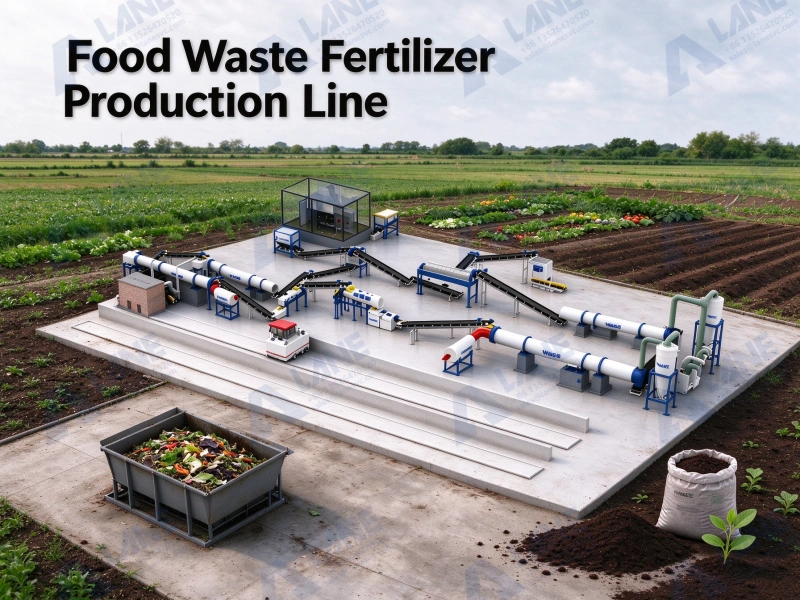
How Wheel Type Compost Turner Eliminates Fermentation Dead Zones in Wide Composting Trough?
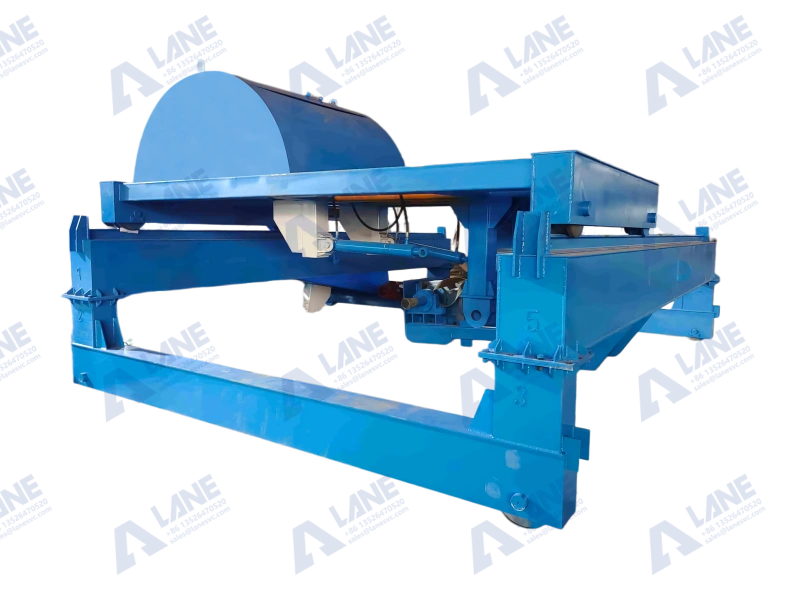
Most organic fertilizer factories build wide fermentation troughs to expand production. Wider troughs can handle more materials every day. But it brings a common trouble. Materials on both sides of the trough cannot get enough turning and easily form fermentation dead zones. Ordinary composting equipment cannot fix this issue well. Many factory owners are looking for a suitable wheel type compost turner for wide fermentation troughs to solve the problem.
Main Reasons Why Wide Composting Troughs Form Fermentation Dead Zones
Fermentation dead zones are rarely caused by raw materials. Most troubles happen because equipment cannot match wide trough structure. Old compost turners cannot cover the whole trough space. We will talk about these causes clearly, and explain how to eliminate fermentation dead zones in compost trough with proper machines.
Traditional Turners Have Limited Working Width
Equipment weakness: Common compost turners only work in the middle part of fermentation trough.
Real situation: Materials close to two side walls never get regular turning.
Long-term result: Static materials build up slowly and form fixed anaerobic dead zones.
Edge Materials Compact and Form Anaerobic Layers
Raw materials such as manure and straw turn solid after long-time stacking. Materials leaning against trough walls lose air permeability easily. Without constant stirring, oxygen cannot go through material piles, and anaerobic conditions form quickly.
Irregular Turning Causes Unstable Fermentation
Many factories arrange turning time only by experience. Unfixed turning intervals lead to uneven temperature inside material piles. Some materials finish high-temperature fermentation normally, while others stay under-fermented.
Manual Auxiliary Turning Cannot Solve Root Problems
Factory workers often turn edge materials by hand. Manual work can only ease the problem for a short time. Different shifts and tired workers lead to unstable operation. This method cannot remove dead zones during long mass production.
Practical Losses Caused by Composting Dead Zones
Many factory managers ignore losses brought by dead zones. These inactive material areas create constant waste on the whole production line. Choosing proper wide trough aerobic composting equipment helps factories cut avoidable losses and keep stable fertilizer quality.
- Incomplete Fermentation Reduces Fertilizer Quality
Materials trapped in dead zones cannot finish high-temperature aerobic fermentation. Harmful bacteria and weed seeds stay inside compost. Once mixed into finished goods, these unfermented materials lower the quality of whole batches of organic fertilizer.
- Anaerobic Fermentation Produces Pungent Odor
Anaerobic decomposition creates large amounts of terrible smell. Bad odor increases the risk of complaints from nearby residents. Factories need to spend extra money on deodorizing equipment to deal with extra waste gas.
- Uneven Maturity Wastes Production Capacity
Compost with different maturity levels cannot go to crushing and granulation processes. Factories have to extend whole fermentation cycles to wait for materials. Fermentation troughs cannot reach their maximum designed output.
- Frequent Manual Remediation Increases Costs
Continuous dead zones need regular manual cleaning. Extra workers push up daily running costs. For long-term production, repeated labor costs become a heavy burden.
Working Principles How Wheel Type Compost Turner Eliminates Dead Zones
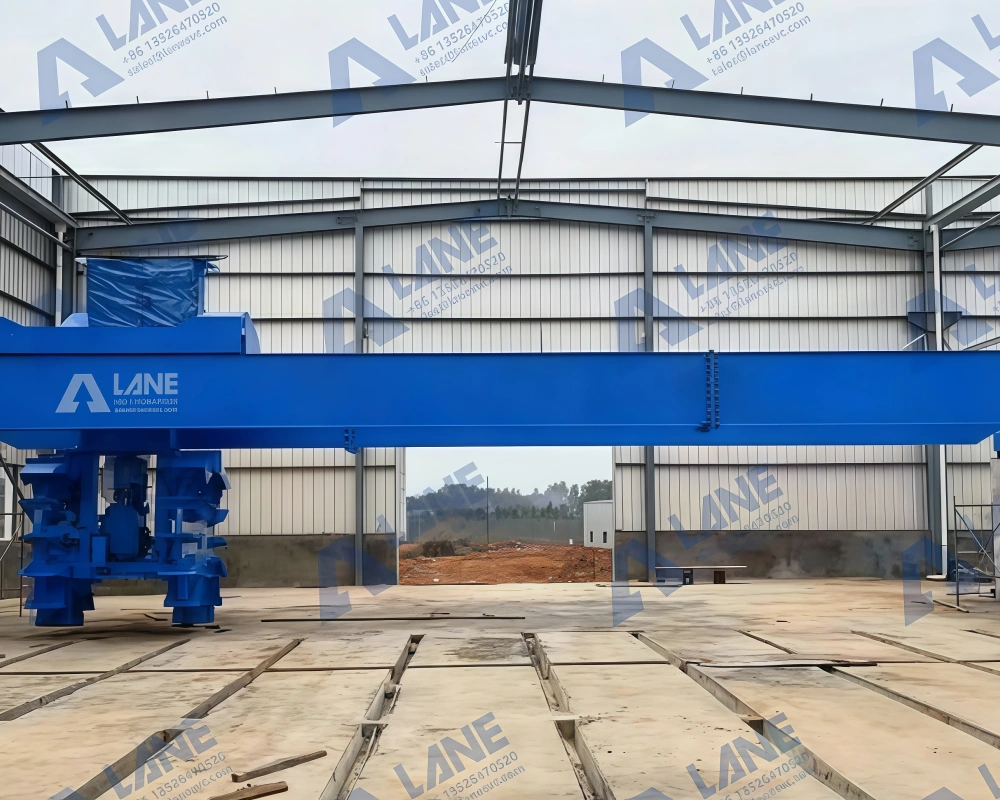
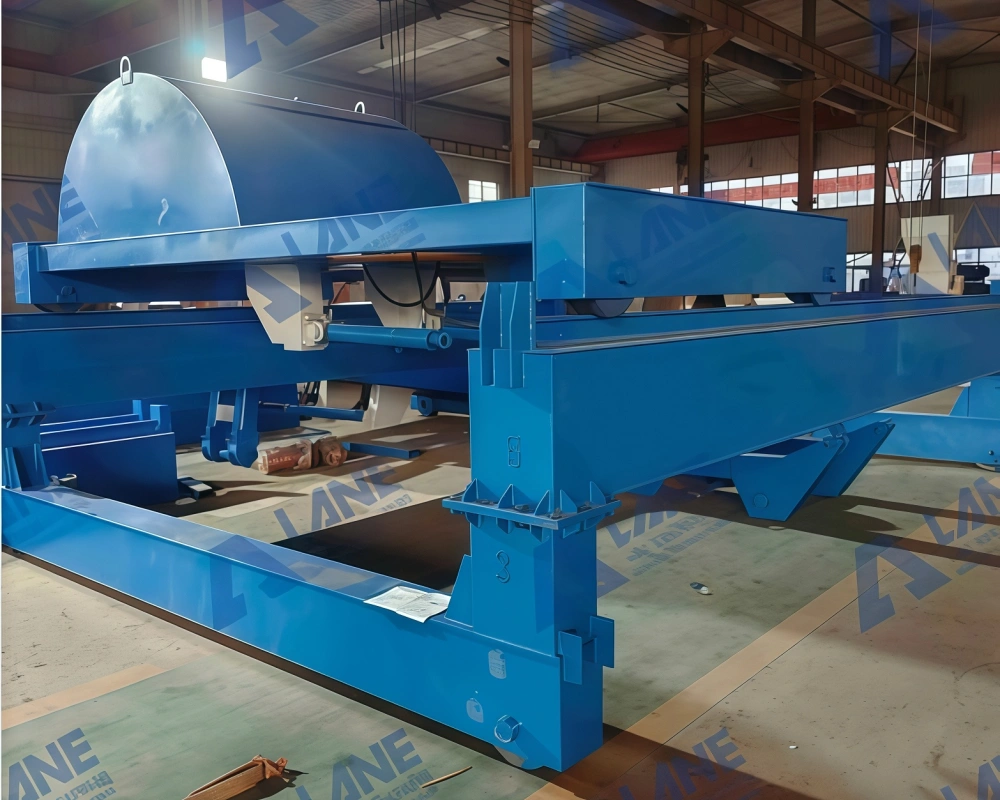
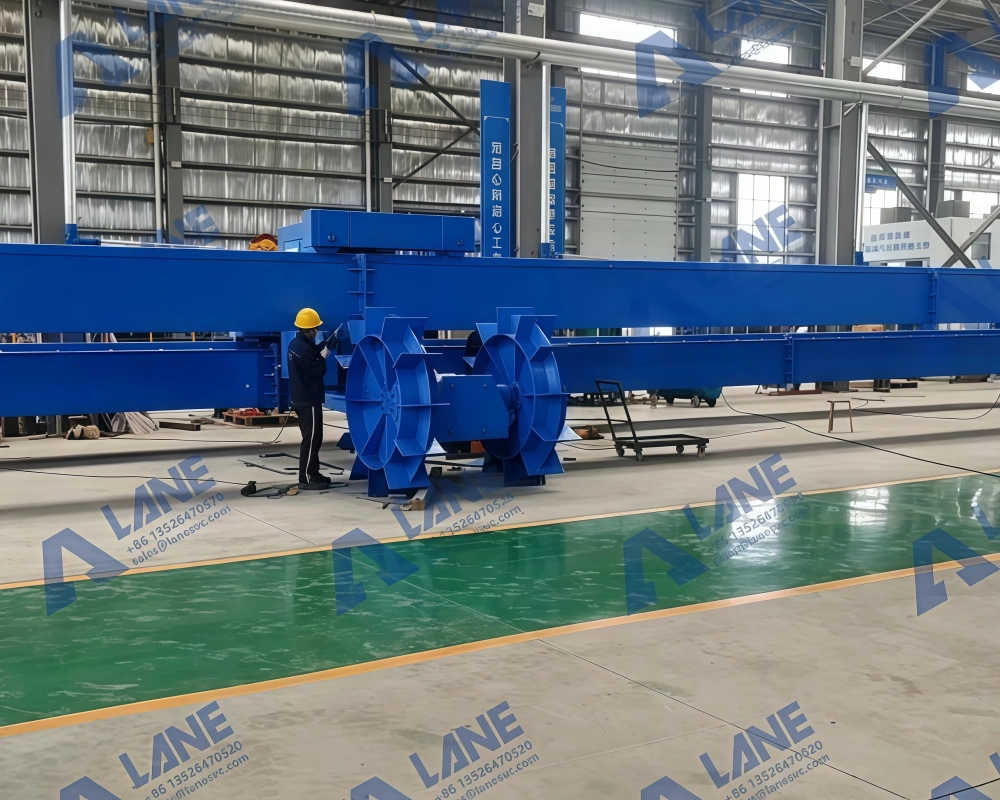
Common compost turners only focus on mixing materials in the middle. The Wheel Type Compost Turner is specially designed for large-span fermentation projects. Its special structure solves edge dead zone problems fundamentally. It acts as reliable wheel type compost machine for organic fertilizer production with wide trough layout.
- Full-width Travelling Covers Entire Trough Range
The travelling span of the machine matches the full width of ultra-wide fermentation trough. No material area stays outside the effective working path. Every part of the compost pile gets scheduled turning without omission.
- Large Wheel Discs Thoroughly Turn Edge Dead Materials
Large-diameter turning wheels can reach materials close to side walls. Strong wheel teeth break compacted material layers along trough edges. Regular disturbance stops static anaerobic layers from forming continuously.
- 3D Material Exchange Realizes Even Aerobic Fermentation
When wheel discs rotate, materials lift, fall and exchange between upper and lower layers. This exchange brings fresh oxygen deep into material piles. Even oxygen supply supports steady aerobic fermentation in all areas.
- Adjustable Speed Matches Different Fermentation Stages
Operators can adjust travelling and rotating speed according to compost conditions. Slow speed works for thick and dense raw materials. Faster cycles fit mature compost. Flexible settings keep ideal fermentation environment all the time.
LANE Wheel Type Compost Turner Practical Product Advantages
We develop the Wheel Type Compost Turner after collecting feedback from many wide-trough fertilizer projects. Every structural upgrade aims at common troubles seen in large organic waste treatment workshops.
> Custom Span Design Fits All Wide Trough Sizes
Custom span design: We adjust machine travelling width from 5 meters to 25 meters.
Project adaptability: It fits newly built troughs and renovated old fermentation workshops.
Core benefit: Most upgrading projects do not need to rebuild trough foundations.
> High-strength Wheel Teeth Break Caked Edge Materials
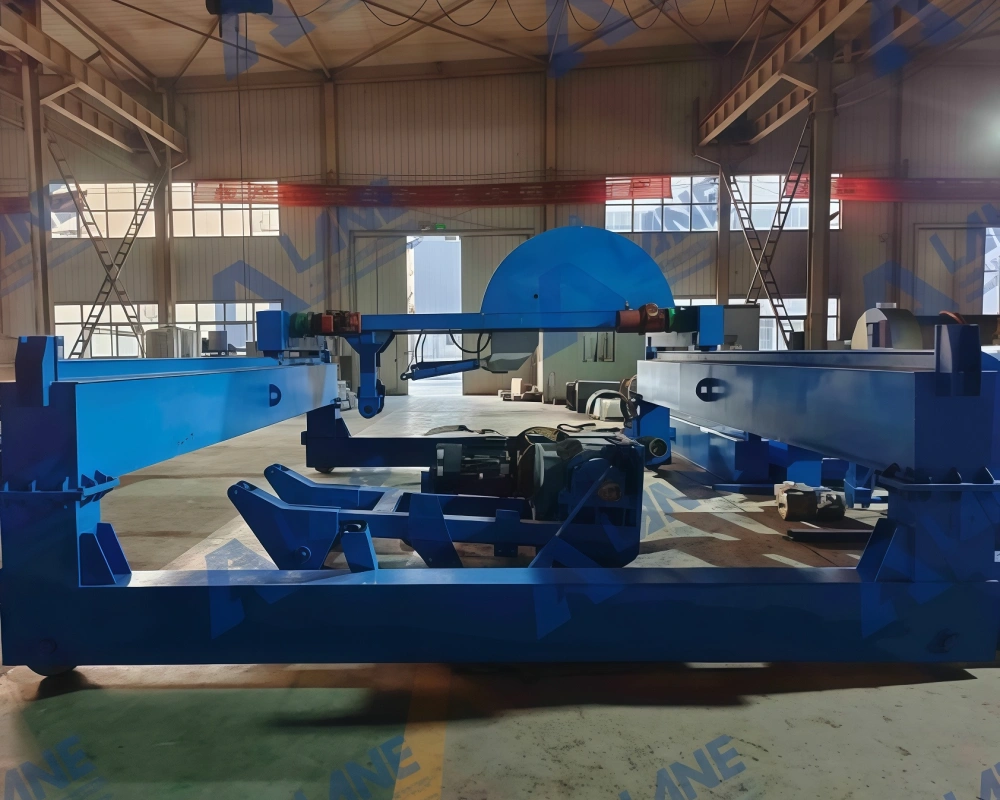
Wear-resistant wheel teeth can work with sticky manure and straw mixtures for a long time. Hardened teeth steadily break compacted edge materials. It reduces frequent tooth replacement and cuts downtime for maintenance.
> Balanced Walking System Ensures Uniform Turning
Symmetric load layout lowers vibration during long-distance travel. The machine runs smoothly along guide rails. Stable moving speed guarantees equal turning frequency for materials from center to trough sides.
> Intelligent Frequency Conversion Realizes Standard Operation
Frequency conversion control supports flexible speed adjustment. The machine can run automatic cycles without constant staff watching. Stable automatic operation helps factories build standard compost management rules.
| Model | LAF-10Y | LAF-15Y | LAF-20Y |
|---|---|---|---|
| Fermentation Groove Width (m) | 10 | 15 | 20 |
| Turning Depth (mm) | 1200–1500 | 1200–1500 | 1200–1500 |
| Processing Capacity (m³/h) | 800–1200 | 1200–1800 | 1800–2500 |
| Traveling Speed (m/min) | 2–6 | 2–6 | 2–6 |
| Main Motor Power (kW) | 45–55 | 55–75 | 75–110 |
| Turning Wheel Diameter (mm) | 2000–2500 | 2500–3000 | 3000–3500 |
| Installation Type | Rail-mounted | Rail-mounted | Rail-mounted |
Daily Operation Tips to Avoid Secondary Dead Zones
Even good Wheel Type Compost Turner cannot keep zero dead zones without proper daily management. Simple regular checks and operation rules prevent new anaerobic areas from forming after long production.
Adjust Turning Frequency According to Material Moisture
Wet raw materials need more frequent turning to remove extra water. After entering high-temperature stage, you can extend intervals properly. Matching frequency with moisture stops local materials from compacting again.
Inspect And Clean Trough Edge Accumulation Regularly
Workers check material buildup along two trough walls every week. Clear small accumulated layers on time. Tiny piles left alone will expand slowly and form new fermentation dead zones.
Keep Rails Flat to Ensure Stable Machine Operation
Bent or uneven guide rails make the machine swing while travelling. Unstable movement leads to incomplete turning near edges. Regular rail maintenance keeps the machine moving straight and steadily.
Adjust Turning Depth with Changing Pile Height
When workers add new raw materials and raise pile height, increase wheel descending depth. If compost shrinks after decomposition, reduce depth properly. Proper depth guarantees wheels go through the whole material layer.
Frequently Asked Questions
Q1: Can wheel type compost turner completely remove dead zones in ultra-wide compost trough?
Answer: If you choose machine with proper span and follow standard operation rules, the Wheel Type Compost Turner covers all material zones. It stops new dead zones from forming continuously. Minor edge buildup still needs regular inspection and cleaning.
Q2: What size of fermentation trough is suitable for wheel type compost turner?
Answer: Our equipment fits fermentation trough from 5m to 25m in width. It shows the biggest advantages for troughs wider than 10 meters, compared with ordinary rail turners.
Q3: Does installing wheel type compost turner need trough reconstruction?
Answer: Normally, we confirm your existing rail foundation size first. Most old fermentation troughs only need simple rail changes. Large-scale concrete reconstruction is not required for most projects.
Q4: How much yield and quality improvement can zero-dead-zone composting bring?
Answer: With steady full-width turning, fermentation cycles can be shortened roughly 25% to 35%. Uniform maturity raises qualified compost rate and reduces waste caused by uneven decomposition.
Q5: Is wheel type compost turner more energy-saving than traditional turners?
Answer: The whole machine uses optimized power matching and frequency conversion control. For equal processing volume on wide troughs, it cuts total energy consumption compared with using multiple small traditional turners.
Conclusion
Wide fermentation troughs become a popular choice for organic fertilizer factories to expand production. Fermentation dead zones along trough edges are the biggest trouble for stable production.
The Wheel Type Compost Turner solves this industry pain point by full-span coverage and deep edge turning. It realizes uniform aerobic composting and avoids quality loss caused by incomplete fermentation. As reliable organic fertilizer compost turning machine for wide-trough workshops, LANE wheel type compost turner serves many large organic waste recycling projects.
If you run wide fermentation troughs and keep troubled by persistent fermentation dead zones, share your trough width, daily raw material output and material types. Our team can offer targeted Wheel Type Compost Turner layout and configuration plans.