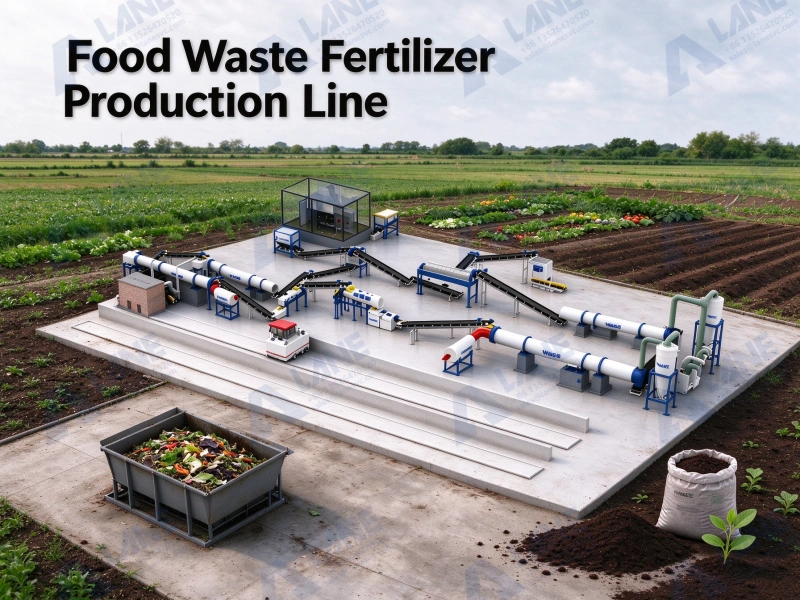
Manual Feed Pellet Machine: A Cost-Effective Solution for Small-Scale Farming
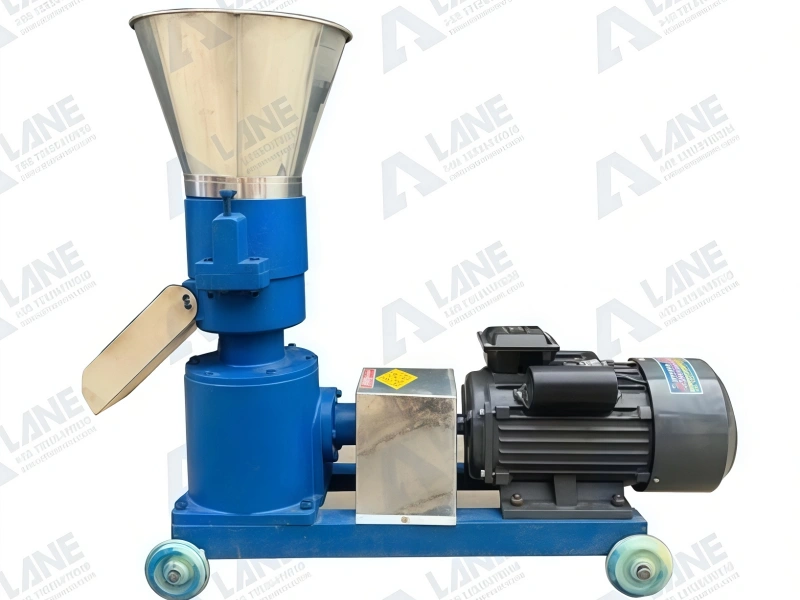
In the realm of small-scale farming and livestock management, efficiency and cost-effectiveness are paramount. The manual feed pellet machine emerges as an essential tool for farmers seeking to produce their own feed pellets without the need for large, expensive machinery. This article explores the features, benefits, and applications of manual feed pellet machines, highlighting their importance in sustainable and self-sufficient farming practices.
Overview of Manual Feed Pellet Machines
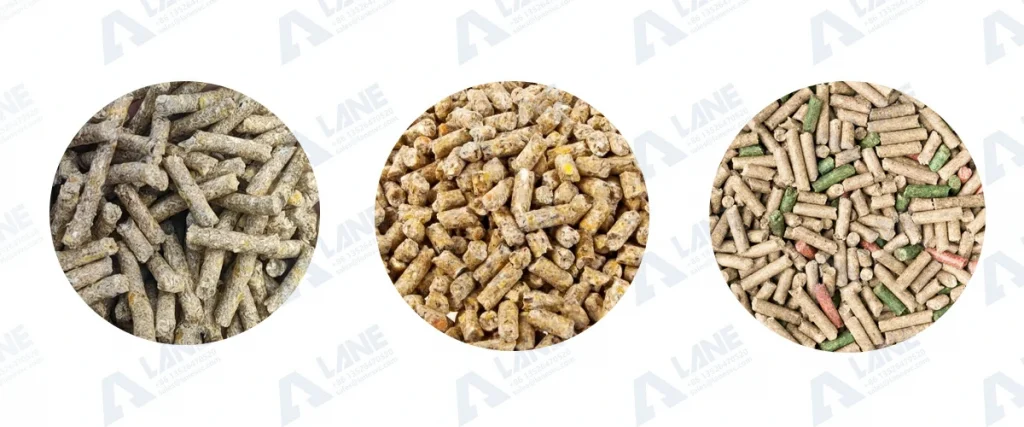
A manual feed pellet machine is a compact and simple device designed to convert raw materials such as grains, corn, and other feed ingredients into uniform pellets. These machines are operated manually, making them ideal for small-scale farmers who need a reliable and affordable solution for producing animal feed.
Key Components and Working Mechanism
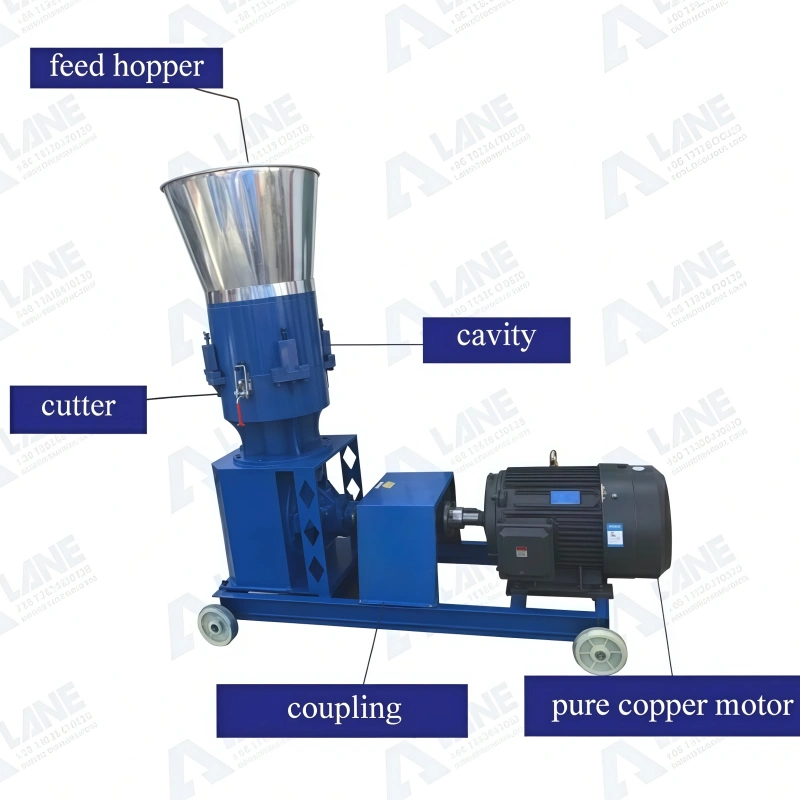
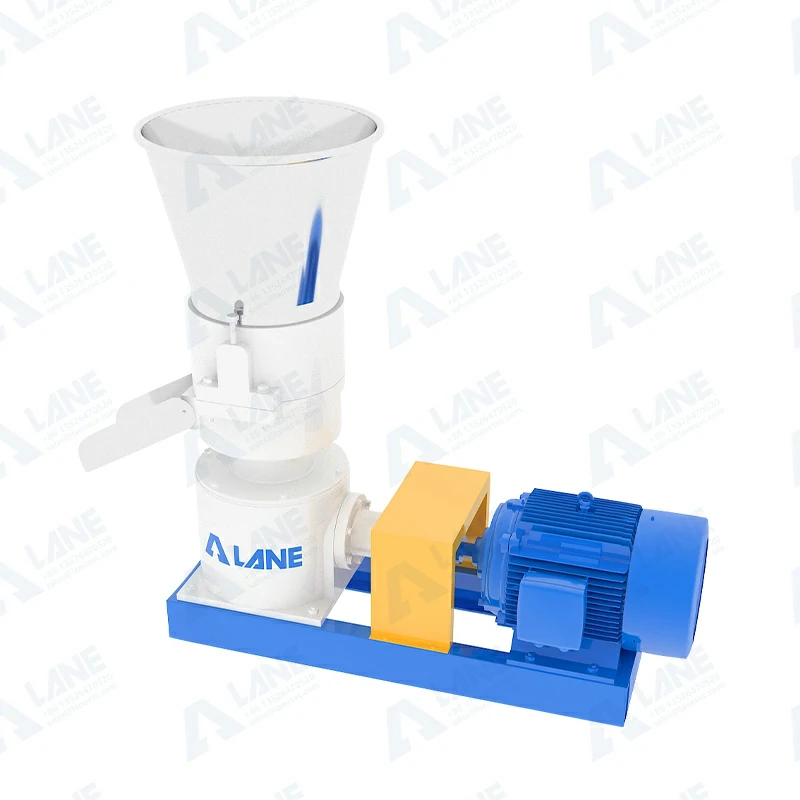
Manual feed pellet machines consist of several essential components:
- Hopper: Where raw materials are loaded for processing.
- Die Plate: A fixed plate with holes through which the feed mixture is forced to form pellets.
- Roller: Compresses the raw materials against the die plate, shaping them into pellets.
- Handle: Used to manually operate the machine, rotating the roller and pushing the feed mixture through the die plate.
- Pellet Outlet: Where the finished pellets are discharged.
The working mechanism involves loading the raw materials into the hopper, manually turning the handle to rotate the roller, which compresses the mixture through the die plate, forming pellets. The pellets are then discharged through the outlet and can be collected for storage or immediate use.
| Model | Capacity(kg/h) | Weight(kg) | Power(kw) |
|---|---|---|---|
| LA125 | 80-100 | 35 | 3-4 |
| LA150 | 90-150 | 40 | 3-4 |
| LA160 | 150-200 | 45 | 4.5 |
| LA210 | 200-300 | 110 | 7.5 |
| LA230 | 350-450 | 150 | 11 |
| LA260 | 400-500 | 190 | 15 |
| LA300 | 500-700 | 400 | 22 |
| LA360 | 700-800 | 600 | 22 |
| LA400 | 900-1200 | 750 | 30 |
Types of Manual Feed Pellet Machines
There are various types of manual feed pellet machines designed to cater to different needs and capacities:
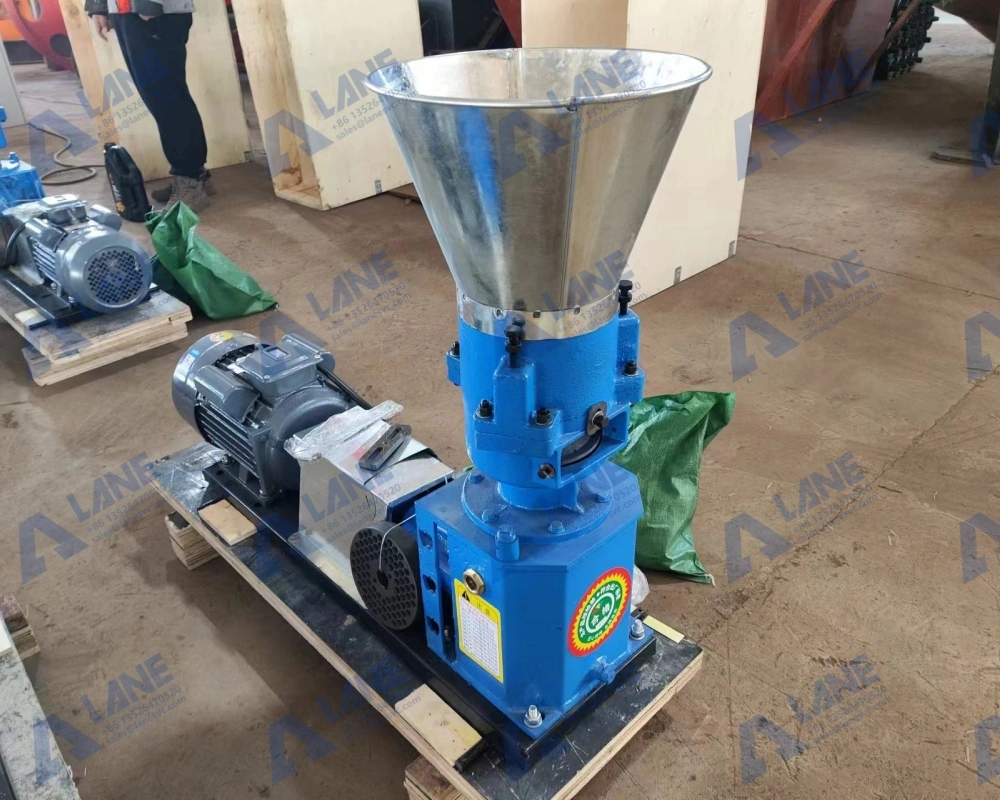
- Flat Die Pellet Machines: These machines have a horizontal die plate and are commonly used for small-scale production. They are easy to operate and maintain.
- Ring Die Pellet Machines: Featuring a circular die plate, these machines are typically used for higher capacity production. They require more effort to operate but produce more consistent pellets.
- Combination Pellet Machines: These machines combine features of both flat die and ring die machines, offering versatility and efficiency for small to medium-scale production.
Benefits of Using Manual Feed Pellet Machines
- Cost-Effective: Manual machines are significantly cheaper than electric or diesel-powered pellet machines, making them accessible for small-scale farmers.
- Simple Operation: Easy to operate without the need for extensive technical knowledge or training.
- Portability: Compact and lightweight design allows for easy transportation and use in various locations on the farm.
- Energy Efficient: No need for electricity or fuel, reducing operating costs and environmental impact.
- Customizable Feed: Farmers can create custom feed formulations tailored to the specific nutritional needs of their livestock.
- Improved Feed Quality: Pelleting improves the digestibility and palatability of feed, promoting better animal health and growth.
Applications in Small-Scale Farming
Manual feed pellet machines are versatile and can be used in various small-scale farming applications:
Livestock Feed Production: Ideal for producing feed pellets for poultry, pigs, cattle, sheep, and other livestock.
Aquaculture: Producing pellets for fish farming, ensuring the feed is nutritionally balanced and suitable for different fish species.
Pet Food: Creating custom pet food pellets for dogs, cats, and other pets, tailored to their dietary needs.
Organic Farming: Processing organic raw materials into pellets, aligning with sustainable and organic farming practices.
Case Study: Small-Scale Poultry Farm
A small-scale poultry farm in Kenya implemented a manual feed pellet machine to produce their own chicken feed. The farm faced challenges with the high cost and inconsistent quality of commercial feed. By using the manual pellet machine, they were able to produce high-quality, uniform pellets tailored to the nutritional needs of their chickens. This led to improved growth rates, healthier birds, and a reduction in feed costs by 30%.
Innovations and Future Prospects
While manual feed pellet machines are simple and effective, there is room for innovation and improvement. Future developments may include:
Ergonomic Design: Enhancements to the handle and operation mechanism to reduce physical effort and increase productivity.
Material Improvements: Use of more durable materials for components to extend the lifespan of the machines.
Multifunctionality: Incorporating additional features such as grinding and mixing capabilities to create a more integrated feed production solution.
Scalability: Designing machines that can be easily upgraded or modified to handle larger capacities as farm needs grow.
Conclusion
Manual feed pellet machines offer a practical and cost-effective solution for small-scale farmers looking to produce their own animal feed. These machines empower farmers to take control of their feed production, reduce costs, and improve the quality of their livestock feed. As innovations continue to enhance their design and functionality, manual feed pellet machines will remain a valuable asset in sustainable and self-sufficient farming practices.