Many organic fertilizer manufacturers focus much on
fermentation, granulation and
drying steps. Few operators pay enough attention to organic fertilizer pellet cooling after drying. Hot organic fertilizer pellets directly sent to packaging will stick together, break easily and deteriorate during storage. Organic fertilizer pellet cooling connects drying and packaging tightly. Based on years of fertilizer production line project experience, we share practical knowledge about organic fertilizer pellet cooling. We explain the risks if you skip this working stage, and show how our LANE rotary cooler solves common problems of organic fertilizer pellet cooling on organic fertilizer production lines.
Why Organic Fertilizer Pellet Cooling Is Indispensable for Production Lines
Some plant owners try to cut construction investment by removing cooling equipment from production layout. This cost-saving choice brings continuous product quality defects and constant customer complaints. Let’s analyze the main troubles you will face without stable organic fertilizer pellet cooling.
> Prevent Hot Fertilizer Pellets from Caking inside Packaging Bags
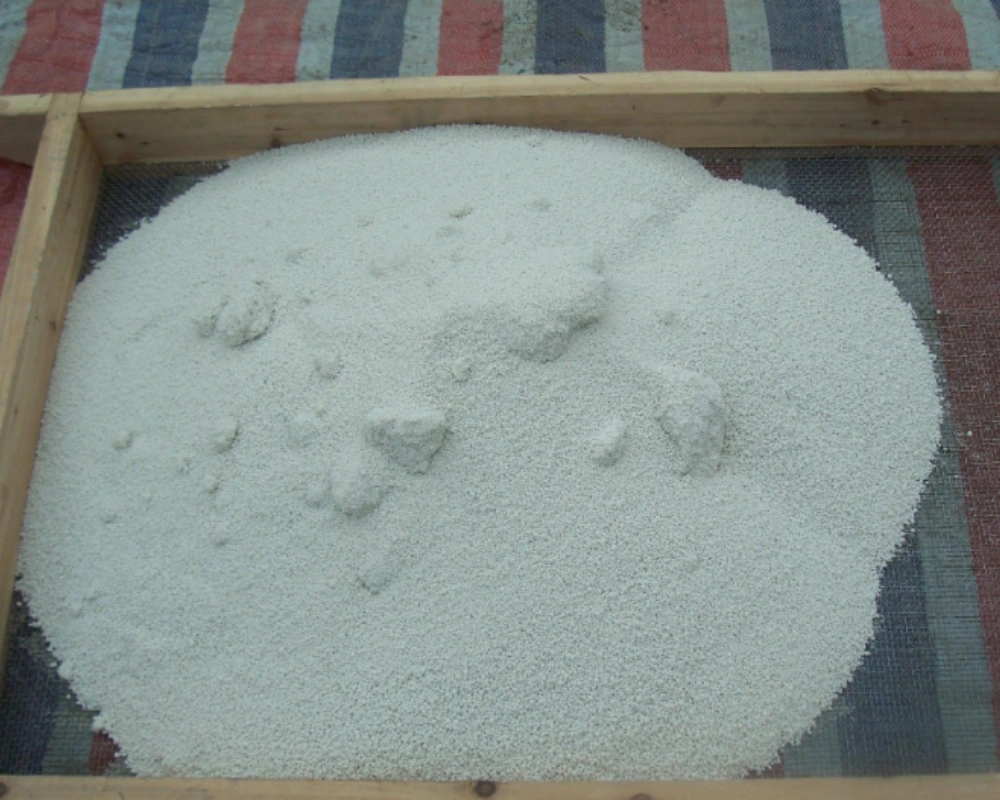
High-temperature pellets hold residual heat after drying. If packed without cooling, stored heat cannot escape from sealed bags. Fertilizer particles will adhere to one another and form hard lumps. Caked pellets ruin particle appearance and create extra trouble for end users during application. Reliable organic fertilizer pellet cooling stops this common packaging issue effectively.
> Reduce Internal Mold Growth during Long-term Storage
Residual heat raises water vapor activity inside sealed packages. High temperature plus high humidity creates suitable conditions for mildew and bad odor inside organic fertilizer bags. Complete organic fertilizer pellet cooling lowers pellet temperature and suppresses mildew reproduction for long-term storage.
> Stabilize Particle Hardness after High-temperature Drying
Sharp temperature difference between particle surface and core happens if hot pellets cool down too fast. The stress difference will crack pellets and produce plenty of fine powder. Slow and even cooling inside a rotary cooler balances internal and external temperature to keep complete pellet shape. Controlled organic fertilizer pellet cooling avoids unnecessary particle breakage.
> Create Safe Working Conditions for Automatic Packaging Equipment
Constant high-temperature material contacts conveyor belts and sealing parts of packaging machines. Continuous thermal exposure speeds up aging of rubber and plastic spare parts. Stable cooled pellets protect packaging equipment and extend the service cycle of wearing components. Proper organic fertilizer pellet cooling reduces thermal damage to your packaging system.
Basic Working Principle of a Rotary Cooler for Organic Fertilizer
> Structural Composition of a Complete Rotary Cooler Unit
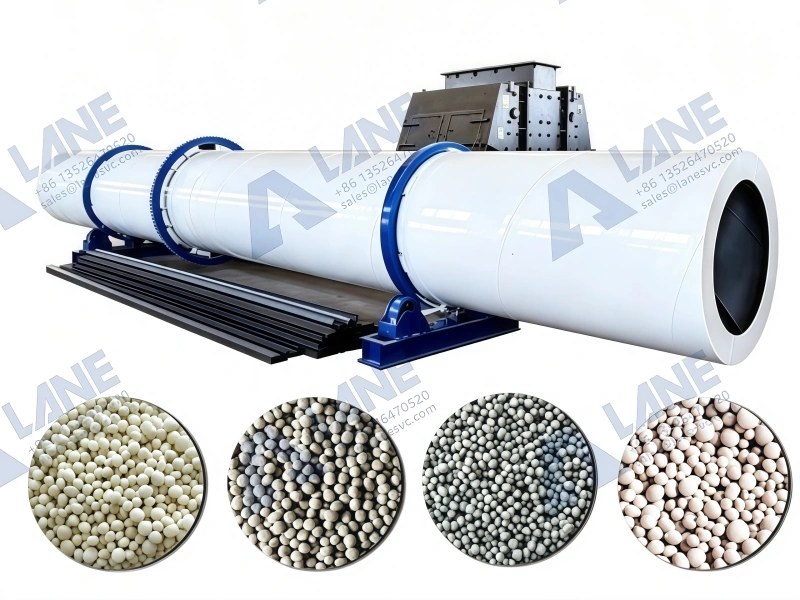
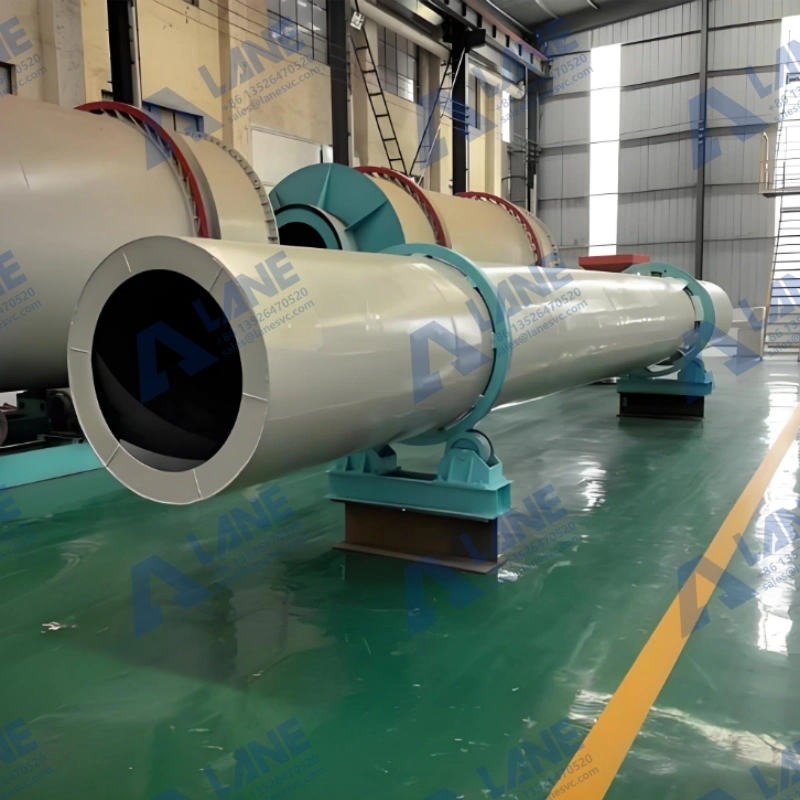
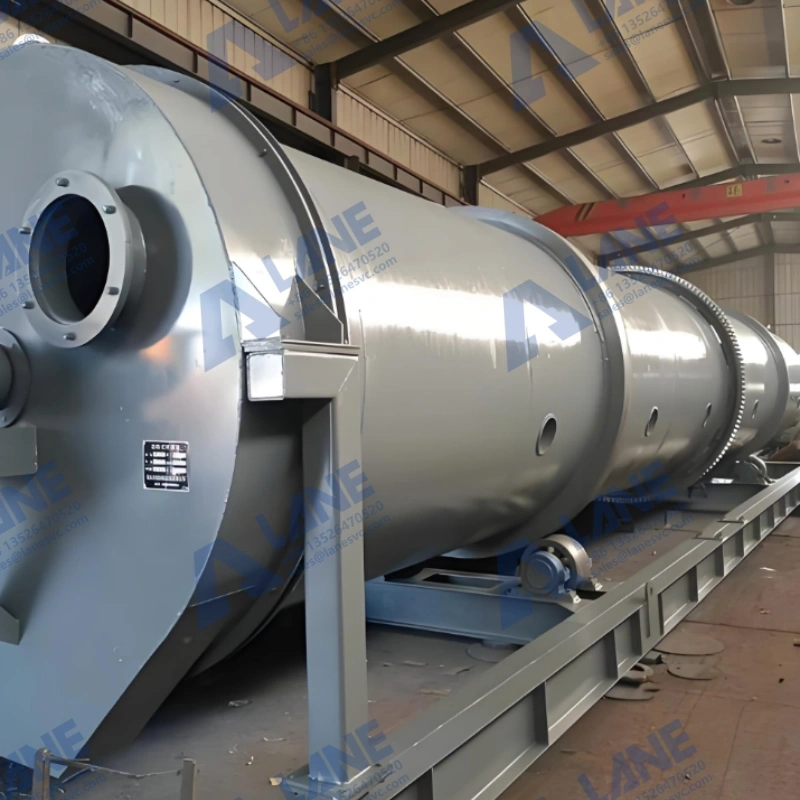
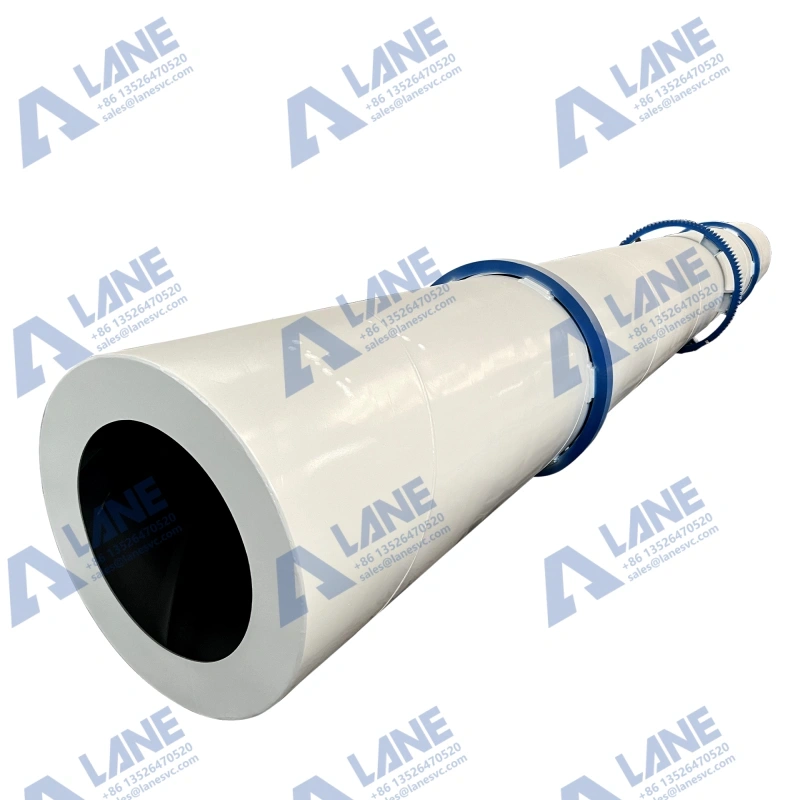
A full set of rotary cooler consists of rotary cylinder, feeding unit, discharging unit, transmission assembly, support frame, cold air system and electrical control cabinet. Every unit coordinates orderly to finish continuous material feeding, heat exchange and discharging for stable organic fertilizer pellet cooling.
> How Internal Lifting Plates Achieve Even Material Contact with Cold Air
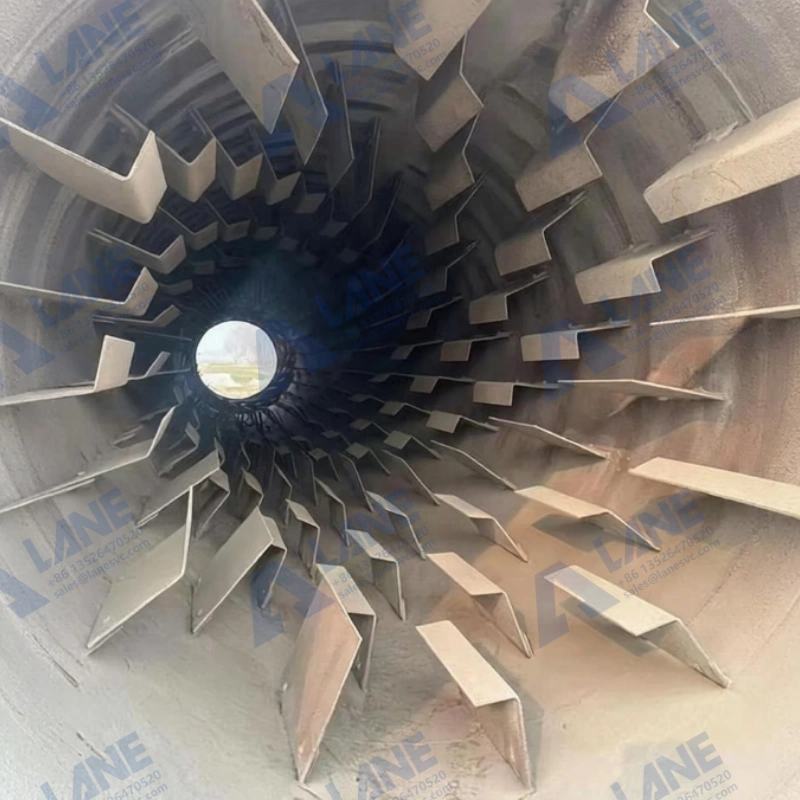
Lifting plates are fixed inside the rotary cylinder. As the cylinder rotates slowly, these plates lift and scatter organic fertilizer pellets repeatedly. Pellets suspend in the airflow and avoid material stacking. This design eliminates cooling blind spots inside the rotary cooler and ensures consistent organic fertilizer pellet cooling.
> Counter-current Air Flow Improves Heat Exchange Efficiency
Our LANE rotary cooler adopts counter-current cooling layout. Cold air flows from the discharge end towards the feeding end, while hot pellets move from feeding end to discharge end. Reverse flow maximizes heat exchange between cold air and hot material and shortens the required time for organic fertilizer pellet cooling.
| Model | Capacity(tph) | Drum Size(mm) | Rotation Speed(r/min) | Steel Plate Thickness(mm) | Lift Plate Thickness(mm) | Power(kw) |
| LARC0808 | 1-2 | Φ800*8000 | 5 | 8 | 4 | 5.5 |
| LARC1010 | 2-3 | Φ1000*10000 | 5 | 10 | 6 | 5.5 |
| LARC1212 | 3-5 | Φ1200*12000 | 5 | 10 | 6 | 7.5 |
| LARC1515 | 5-8 | Φ1500*15000 | 5 | 12 | 6 | 15 |
| LARC1616 | 8-12 | Φ1600*16000 | 5 | 12 | 6 | 18.5 |
| LARC1818 | 12-15 | Φ1800*18000 | 4 | 14 | 6 | 22 |
| LARC2020 | 20-25 | Φ2000*20000 | 4 | 14 | 6 | 37 |
| LARC2222 | 25-30 | Φ2200*22000 | 4 | 16 | 6 | 37 |
| LARC2424 | 30-35 | Φ2400*24000 | 4 | 16 | 6 | 45 |
| LARC2626 | 35-40 | Φ2600*26000 | 3 | 18 | 6 | 55 |
| LARC2828 | 40-45 | Φ2800*28000 | 3 | 18 | 6 | 75 |
| LARC3028 | 45-50 | Φ3000*28500 | 3 | 18 | 6 | 90 |
Key Structural Components of Our LANE Rotary Cooler
Equipment durability directly decides long-term running costs of organic fertilizer plants. Every component of our LANE rotary cooler adopts targeted material selection. The whole machine is specially built to adapt to corrosive organic fertilizer pellet working conditions and deliver steady organic fertilizer pellet cooling.
> Medium Carbon Steel Cylinder Resists Corrosion from Organic Materials
The cylinder body of our rotary cooler is welded with thick medium carbon steel plates. Organic fertilizer made from livestock manure carries weak acid substances. Medium carbon steel effectively resists mild corrosion and extends the service life of the main cylinder for long-term organic fertilizer pellet cooling.
> Wear-resistant Lifting Plates Maintain Stable Material Turning
Built-in lifting plates use high-quality wear-resistant materials. They keep lifting fertilizer pellets day after day without quick deformation or abrasion. Steady material scattering guarantees consistent organic fertilizer pellet cooling effect of the rotary cooler for years.
> Heavy-duty Support Base and Roller Assembly
The support frame is welded with channel steel and steel plates. The rollers use anti-corrosion and wear-resistant raw materials. This assembly holds the whole rotary cylinder firmly and supports steady rotation under long continuous load during organic fertilizer pellet cooling.
> Reliable Transmission System with Standardized Motor and Reducer
The transmission frame has solid welded structure. The main motor and speed reducer are standard inspection-free products. Stable power output lowers unexpected shutdown risks and makes spare part purchasing convenient for later maintenance of your organic fertilizer pellet cooling system.
> Large Gear and Pinion Drive Ensures Smooth Rotary Operation
The large gear ring fixes on cylinder surface and matches the small pinion gear. Both gears are processed with advanced wear-resistant cutting technology. The transmission structure shares load evenly, leading to low vibration and low noise during rotary cooler operation for organic fertilizer pellet cooling.
Main Advantages of Using Rotary Cooler for Organic Fertilizer Pellet Cooling
> Achieve Uniform Cooling without Material Dead Zones
Continuous lifting plates break piled pellets apart. Cold air touches every fertilizer pellet sufficiently. Materials discharged from the rotary cooler keep balanced temperature, so you will not find obvious temperature gaps among finished pellets after organic fertilizer pellet cooling.
> Fast Forced Convection Cooling Shortens Production Cycle
Forced convection heat exchange works much faster than natural air cooling. Factories do not need to reserve large space to spread hot pellets for cooling. A rotary cooler matches continuous drying equipment and raises overall line throughput by efficient organic fertilizer pellet cooling.
> Wide Adaptability to Different Organic Fertilizer Raw Materials
This rotary cooler works well for fertilizer made from livestock manure, crop straw, mushroom residue and other organic raw materials. Operators can adjust cylinder rotation speed and air volume to match material moisture and pellet conditions for customized organic fertilizer pellet cooling.
> Automatic Control Reduces On-site Labor Demand
Operators can preset cylinder rotation speed and fan parameters on the control panel. The rotary cooler runs automatically after parameter setting. Workers do not need frequent manual adjustment, cutting labor input for daily organic fertilizer pellet cooling.
> Convenient Daily Inspection and Routine Maintenance
The overall layout of our LANE rotary cooler leaves open space for inspection. Workers can clean accumulated materials on lifting plates and add lubricating oil for gears and rollers without complicated disassembly steps, keeping your organic fertilizer pellet cooling system running smoothly.
Common Troubles Encountered during Organic Fertilizer Pellet Cooling
Even when a rotary cooler is installed on your line, improper operation or mismatched equipment parameters will create various quality defects in organic fertilizer pellet cooling. We sort typical problems collected from our global customer projects.
> Uneven Pellet Temperature after Discharging from Cooler
Uneven temperature often comes from worn lifting plates, unstable feeding flow or unbalanced cold air distribution. You can check lifting plate abrasion condition first, stabilize feeding speed and adjust fan air channel to balance airflow inside the rotary cooler and fix uneven organic fertilizer pellet cooling.
> Pellets Stick to the Inner Wall of Rotary Cooler Cylinder
High material moisture, low cylinder surface temperature and unreasonable lifting plate layout all lead to material sticking. You can reduce raw material moisture before granulation or properly raise cylinder temperature and adjust lifting angle of internal plates to improve organic fertilizer pellet cooling.
> Excessive Fine Powder Generated after Cooling Process
Too fast cylinder rotation speed makes pellets crash against each other heavily. Unstable pellet strength and large material drop height also produce fine powder. Lower rotary speed and reduce material fall distance to protect pellet integrity during organic fertilizer pellet cooling.
> Obvious Vibration and Abnormal Noise during Equipment Operation
Offset rollers, insufficient gear lubrication and overloaded feeding amount are common causes. Stop the rotary cooler safely, check roller position, replenish lubricant and control feeding load within the designed range to avoid disrupting organic fertilizer pellet cooling.
> The Cooler Fails to Reach Target Outlet Material Temperature
Insufficient fan air volume, undersized cylinder length and over-high incoming material temperature restrict cooling performance. Upgrade fan capacity, recheck model selection or lower the temperature of pellets entering the rotary cooler to meet your organic fertilizer pellet cooling target.
Premium equipment cannot keep stable performance without standardized operation. These daily adjustment suggestions help plant operators optimize organic fertilizer pellet cooling results with the rotary cooler.
> Keep Stable Feeding Rate into the Rotary Cooler
Sharp fluctuation of feeding quantity breaks the balance of heat exchange. We suggest matching uniform discharging conveyor equipment before the rotary cooler to deliver materials at steady flow rate for consistent organic fertilizer pellet cooling.
> Regularly Clean Material Residue on Internal Lifting Plates
Built-up materials on lifting plates weaken material scattering effect step by step. We recommend simple cleaning work during every shift shutdown to maintain the working efficiency of the rotary cooler and guarantee stable organic fertilizer pellet cooling.
> Adjust Rotary Speed According to Fertilizer Pellet Condition
Slow down cylinder rotation speed for fragile pellets to extend material staying time inside the rotary cooler. Raise rotation speed moderately for damp pellets to reduce the risk of adhesion on cylinder walls and optimize organic fertilizer pellet cooling.
> Check Gear and Roller Lubrication Status on Fixed Schedule
Add lubricating grease according to fixed maintenance schedule. Good lubrication slows component abrasion and avoids sudden breakdown of the rotary cooler during continuous organic fertilizer pellet cooling.
> Match Air Volume of Cooling Fan with Production Capacity
Increase cold air supply when you raise production output. If fan air volume stays unchanged under higher load, the rotary cooler cannot finish organic fertilizer pellet cooling work as designed.
How to Select a Suitable Rotary Cooler for Organic Fertilizer Pellet Cooling
Incorrect model selection turns the cooling section into the bottleneck of your whole production line. Buyers need to evaluate multiple key factors before confirming specifications of the rotary cooler to achieve reliable organic fertilizer pellet cooling.
> Confirm Target Output and Required Cooling Temperature Difference
Calculate required cylinder diameter and effective length based on inlet pellet temperature after drying and target outlet temperature. These data decide the basic size standard of your rotary cooler and define the capacity needed for organic fertilizer pellet cooling.
> Consider Raw Material Type and Moisture of Organic Pellets
Organic fertilizer made from high-humidity livestock manure needs larger cooling capacity. You must inform equipment suppliers of raw material features to get proper rotary cooler configuration for effective organic fertilizer pellet cooling.
> Reserve Space for Future Production Capacity Expansion
Do not choose equipment strictly matching your current maximum load during new project planning. Reserve 10% to 20% capacity margin for future production expansion of the rotary cooler and your organic fertilizer pellet cooling process.
> Pay Attention to Material of Cylinder and Internal Components
Organic fertilizer carries weak acid components and wears machine parts continuously. You should choose rotary cooler with medium carbon steel cylinder and wear-resistant internal parts for long-term stable organic fertilizer pellet cooling.
FAQ
We receive plenty of similar inquiries from organic fertilizer project investors about pellet cooling and rotary cooler equipment. The following five questions appear most frequently among our overseas customers who focus on organic fertilizer pellet cooling.
Q1: What is the ideal temperature of organic fertilizer pellets before packaging after cooling?
A: We suggest controlling pellet temperature below 40°C before packaging. Temperature under this value greatly reduces caking and mildew risk. If you produce biological organic fertilizer containing active bacteria, keep outlet temperature even lower to protect viable microbes and get high-quality results from organic fertilizer pellet cooling.
Q2: Can a rotary cooler work independently without supporting dust removal equipment?
A: It is not recommended. Air flow inside the rotary cooler carries fine fertilizer powder. Matching dust collector collects floating dust, meets environmental standards and avoids material waste during organic fertilizer pellet cooling.
Q3: Is it possible to use one rotary cooler for both organic fertilizer and compound fertilizer pellet cooling?
A: It can technically cool both products, but we do not advise frequent switching. Different fertilizer types leave residual materials inside the cylinder. Cross contamination will affect final product purity and ruin your organic fertilizer pellet cooling outcomes.
Q4: How long does organic fertilizer pellets need to stay inside the rotary cooler to get fully cooled?
A: Normal residence time ranges from 15 to 30 minutes. The exact time changes according to initial pellet temperature, moisture and equipment size. Our engineers calculate proper retention time for every customer’s rotary cooler scheme for reliable organic fertilizer pellet cooling.
Q5: What foundation requirements should be prepared before installing a rotary cooler?
A: The ground needs reinforced concrete foundation according to equipment drawing. The foundation must stay horizontal and bear heavy load. You also need to reserve space for fan pipelines and maintenance work around the rotary cooler to support continuous organic fertilizer pellet cooling.
Conclusion
The cooling of organic fertilizer granules is not an optional process, but a necessary step to ensure the quality of the finished product. A suitable drum cooling machine can steadily remove the residual heat from high-temperature organic particles, preventing clumping, mold growth, and particle breakage.
When planning a new
organic fertilizer production line or upgrading existing equipment, the cooling load should be fully calculated, and reliable drum cooling equipment should be selected to achieve stable cooling of organic fertilizer granules. Through standardized daily operations and regular maintenance, your drum cooling machine will support the long-term stable production of high-quality organic fertilizer.