Rotary Cooling Machine Solves Fertilizer Packaging Bag Bulge: The Role of Discharge Temperature Control
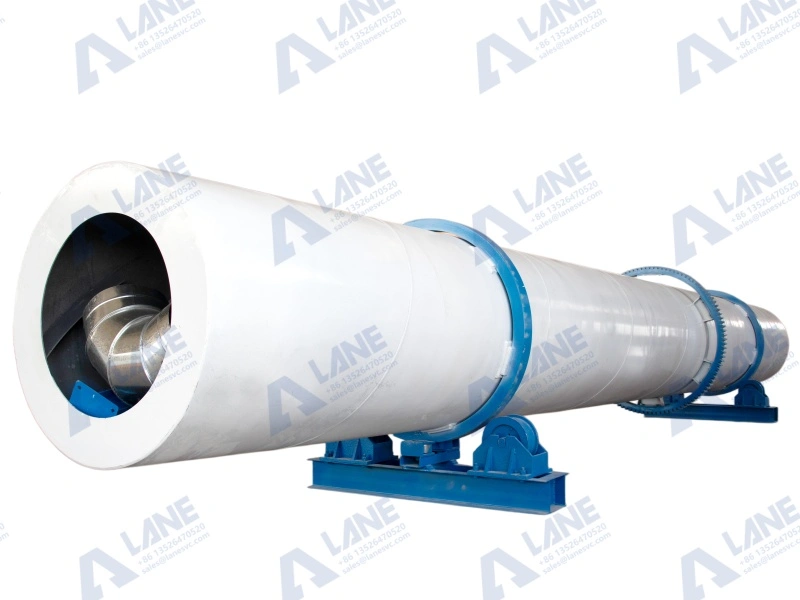
Many fertilizer manufacturers encounter a difficult problem after the granulation and drying process. A few days after finished fertilizer is packaged, the packaging bag inflates and bulges. Most factory managers only blame poor packaging bag quality, but ignore potential risks caused by high material temperature.
When high-temperature fertilizer is sealed, continuous chemical reactions take place and water vapor is released. The rotary cooling machine solves fertilizer packaging bag bulge through stable discharge temperature control to tackle this common production issue. We combine real workshop operation cases to analyze root causes of bag bulging, practical temperature control standards and practical equipment application solutions.
The Main Causes of Fertilizer Packaging Bag Bulge
Fertilizer packaging bag bulge results from multiple factors. Residual heat retained in fertilizer pellets is easily overlooked by frontline technicians. Only by clarifying all these causes can factories give full play to the rotary cooling machine for solving fertilizer packaging bag bulge and bring stable value to production lines.
Excessive residual heat triggers continuous chemical reactions inside fertilizer particles
If fertilizer pellets enter packaging equipment with high residual heat, nutrients inside particles will keep reacting. Continuous chemical reactions generate gas inside sealed packaging bags.
Water vapor accumulates and creates pressure inside sealed packaging bags
High-temperature fertilizer contains free moisture. After hot materials are sealed, water vapor separates from solid particles and accumulates continuously to form pressure, pushing packaging bags outward.
Long-term stacking leads to delayed packaging bag bulge
Many factories notice packaging bags look normal right after packing, but bulging occurs after 3 to 7 days of stacking. Gas builds up slowly during stacking, making the bulge problem hard to predict in advance.
Ambient temperature differences worsen packaging bag expansion
Seasonal temperature changes aggravate this fault. Fertilizer packaged in cool workshops will heat up during transportation or outdoor storage, which accelerates packaging bag bulging.
Disadvantages of Traditional Fertilizer Cooling Methods
Many fertilizer factories still rely on ground spreading and simple air blowing to cool materials. Such low-cost solutions cannot deliver stable cooling effects. These drawbacks prove traditional cooling methods cannot replace rotary cooling machines to solve fertilizer packaging bag bulge.
> Natural cooling requires large workshop space
Spreading high-temperature fertilizer on the ground takes up plenty of factory space. Medium and large-scale fertilizer production lines can hardly reserve enough area to meet long-time natural cooling demands.
> Simple air cooling is greatly affected by weather conditions
Ordinary fans only blow surface materials. Humid and rainy weather will greatly reduce cooling efficiency, so factories cannot stabilize material temperature all year round.
> Uneven material temperature leads to inconsistent packaging quality
After natural cooling, fertilizer temperature varies. Some pellets are fully cooled, while others remain hot. Consequently, severe bag bulging appears in partial batches while other batches stay normal, raising difficulties in quality control.
| Model | Capacity(tph) | Drum Size(mm) | Rotation Speed(r/min) | Steel Plate Thickness(mm) | Lift Plate Thickness(mm) | Power(kw) |
|---|---|---|---|---|---|---|
| LARC0808 | 1-2 | Φ800*8000 | 5 | 8 | 4 | 5.5 |
| LARC1010 | 2-3 | Φ1000*10000 | 5 | 10 | 6 | 5.5 |
| LARC1212 | 3-5 | Φ1200*12000 | 5 | 10 | 6 | 7.5 |
| LARC1515 | 5-8 | Φ1500*15000 | 5 | 12 | 6 | 15 |
| LARC1616 | 8-12 | Φ1600*16000 | 5 | 12 | 6 | 18.5 |
| LARC1818 | 12-15 | Φ1800*18000 | 4 | 14 | 6 | 22 |
| LARC2020 | 20-25 | Φ2000*20000 | 4 | 14 | 6 | 37 |
| LARC2222 | 25-30 | Φ2200*22000 | 4 | 16 | 6 | 37 |
| LARC2424 | 30-35 | Φ2400*24000 | 4 | 16 | 6 | 45 |
| LARC2626 | 35-40 | Φ2600*26000 | 3 | 18 | 6 | 55 |
| LARC2828 | 40-45 | Φ2800*28000 | 3 | 18 | 6 | 75 |
| LARC3028 | 45-50 | Φ3000*28500 | 3 | 18 | 6 | 90 |
How Rotary Cooling Machine Solves Fertilizer Packaging Bag Bulge and Realizes Effective Temperature Control
Stable discharge temperature control is the core method to prevent fertilizer packaging bag bulge. With unique structural design and operation mode, the rotary cooling machine solves fertilizer packaging bag bulge by continuously and evenly removing internal heat from granular fertilizer.
• Optimized internal structure improves material heat exchange efficiency
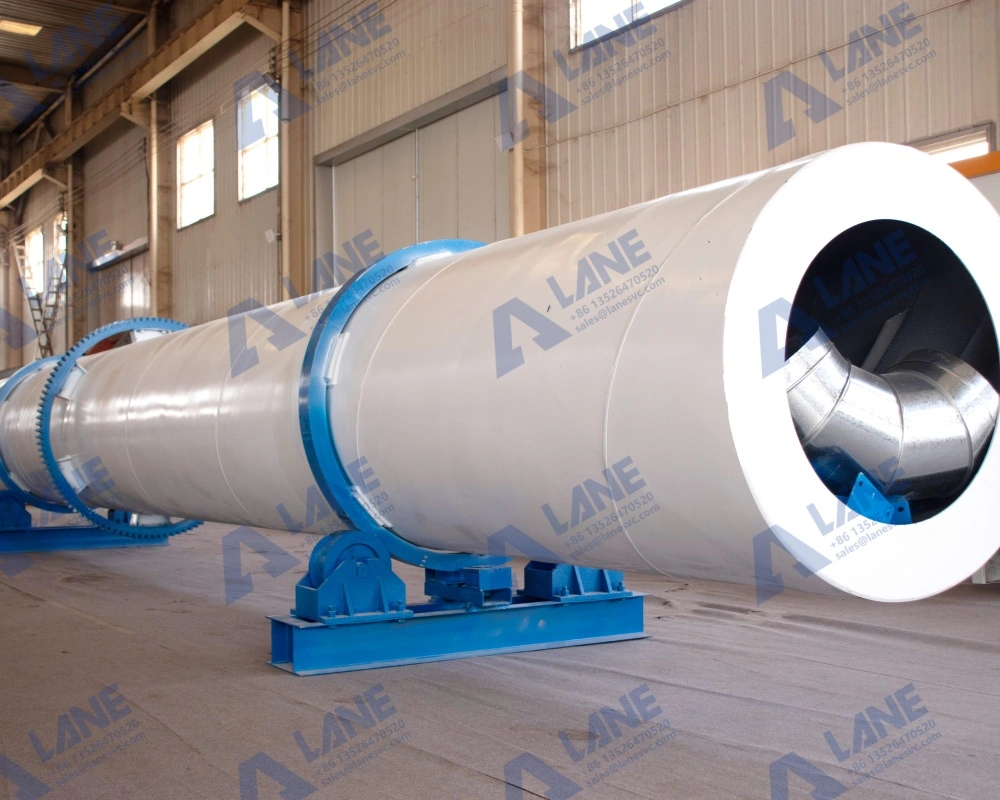
Layered lifting plates are installed inside the rotary cylinder. The lifting plates repeatedly lift and scatter fertilizer. Cold air can fully contact every pellet and take away accumulated heat inside materials.
• Adjustable operating speed controls fertilizer cooling residence time
Operators can adjust cylinder rotating speed according to production capacity and fertilizer types. Lower rotating speed extends material residence time inside the cylinder and achieves lower discharge temperature.
• Support real-time monitoring of discharge temperature
Temperature sensors can be installed at the discharge outlet. Operators can directly check temperature data, adjust equipment parameters timely and maintain stable discharging conditions continuously.
Key Temperature Control Reference Standards to Avoid Fertilizer Packaging Bag Bulge
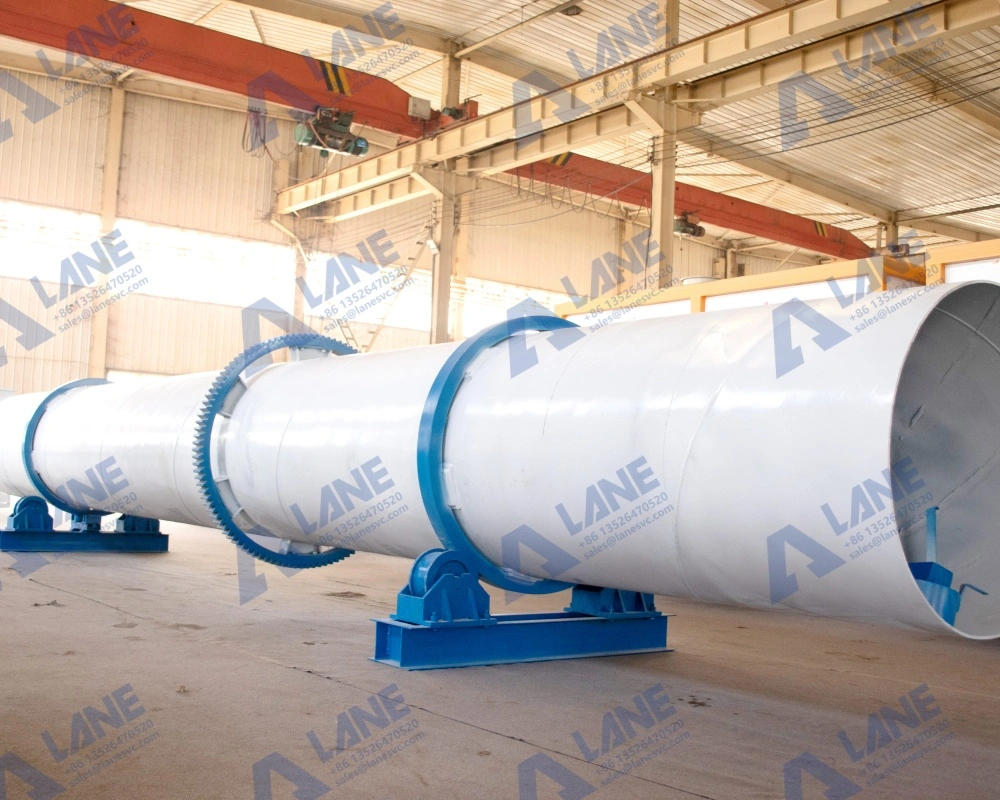
Factories adopting rotary cooling machines to solve fertilizer packaging bag bulge need clear temperature control targets. Organic fertilizer and compound fertilizer require different packaging temperatures. Blind overcooling will only increase power consumption.
- Temperature requirements for organic fertilizer before packaging
Organic fertilizer with high organic content demands stricter temperature control. Generally, materials should be cooled below 40 ℃ before packaging to prevent continuous gas generation during storage.
- Suitable discharge temperature range for compound fertilizer
Most granular compound fertilizer can be safely packaged when temperature drops to 45 ℃ ~ 50 ℃. Manufacturers can adjust the standard based on local climate and storage cycle.
Operation Tips to Optimize Cooling Effect
Selecting suitable equipment is only the first step. Standard daily operation can maximize the performance of rotary cooling machines for solving fertilizer packaging bag bulge and maintain stable long-term cooling performance.
- Maintain stable feeding volume for rotary cooling machine
Fluctuating feeding volume leads to unstable cooling results. Matching feeding speed with the cooling capacity ensures steady discharge temperature.
- Regular maintenance for internal lifting plates of equipment
Fertilizer adhered to lifting plates will reduce material lifting efficiency. Operators should clean and inspect lifting plates regularly to prevent material caking and accumulation inside the cylinder.
- Reasonably match induced draft fan air volume
Excess air volume easily carries away fine fertilizer dust; insufficient air volume reduces heat exchange efficiency. Factory technicians need to set proper fan air volume after trial operation.
Application Cases of Rotary Cooling Machines on Fertilizer Production Lines
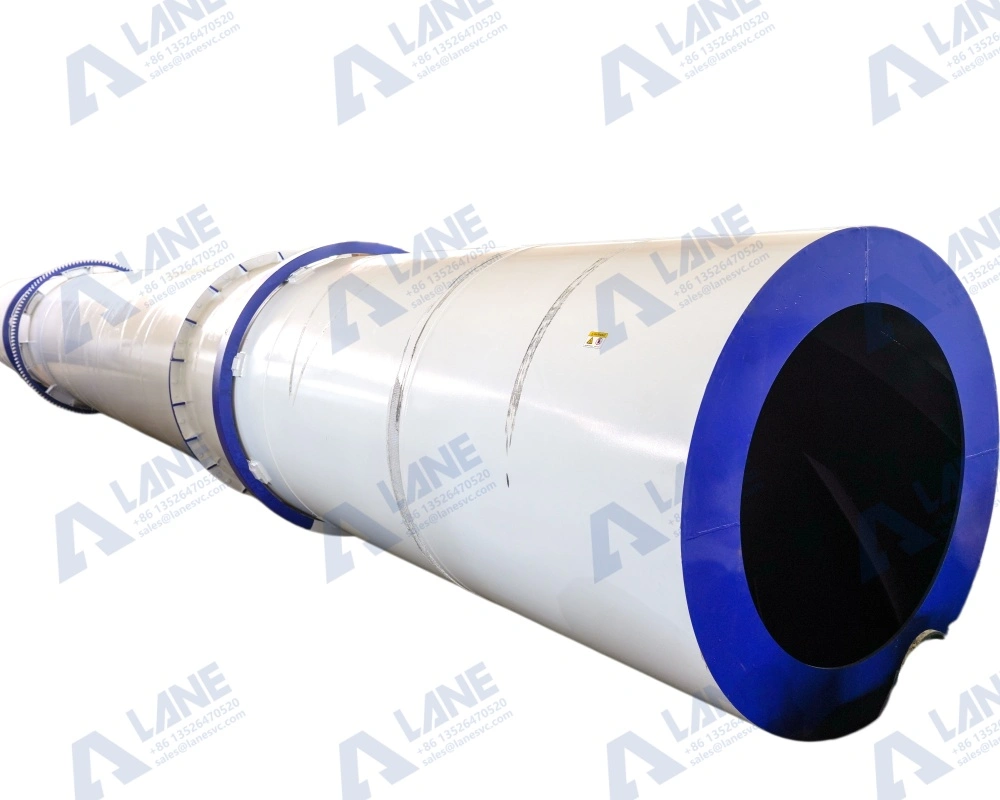
We have completed cooling section upgrades for dozens of fertilizer production lines. Many customers suffered from continuous packaging bag bulge before installing LANE rotary cooling equipment.
After deploying rotary cooling machines to solve fertilizer packaging bag bulge and adjusting discharge temperature following our guidance, more than 90% of customers completely solved the fertilizer packaging bulge problem.
Case 1: A 5 ton/h organic fertilizer production line in Henan faced bag bulging within one week after packaging. After installing the rotary cooling machine, material temperature steadily stays below 38°C, and no more bulging occurs.
Case 2: A 10 ton/h compound fertilizer production line suffered severe bag bulge in summer. Stable temperature control thoroughly eliminates packaging bag expansion failure.
FAQ
Q1: To what temperature should fertilizer be cooled before packaging to stop packaging bag bulge?
A: Organic fertilizer needs to be cooled below 40 ℃; granular compound fertilizer is recommended to reach 45℃~50℃. Manufacturers can fine-tune standards according to storage cycle and local climate.
Q2: Can rotary cooling machines match existing fertilizer drying equipment?
A: Yes. LANE-designed rotary cooling machines for solving fertilizer packaging bag bulge can connect with various rotary dryers. We can adjust cylinder length and diameter to fit your original production line layout.
Q3: How long does material take to complete cooling inside the rotary cooling machine?
A: Normally, residence time ranges from 15 to 30 minutes. The duration changes flexibly based on cylinder rotating speed, raw material moisture and target discharge temperature.
Q4: Will cooling fertilizer to extra low temperature bring additional production costs?
A: Excessive cooling wastes electric power. We recommend cooling materials to the qualified temperature range instead of blind overcooling, to balance production cost and packaging quality.
Conclusion
Fertilizer packaging bag bulge is not merely a packaging material issue. Residual heat carried by fertilizer pellets acts as the core hidden cause. Without effective cooling, gas will slowly generate and water vapor accumulate inside sealed bags.
The rotary cooling machine solves fertilizer packaging bag bulge by stably controlling fertilizer discharge temperature. It removes fundamental conditions causing delayed packaging expansion, and fits both organic fertilizer and compound fertilizer production lines.
If your fertilizer plant constantly struggles with post-packaging bag bulge, optimizing cooling procedures with this equipment is a practical and long-term feasible solution.