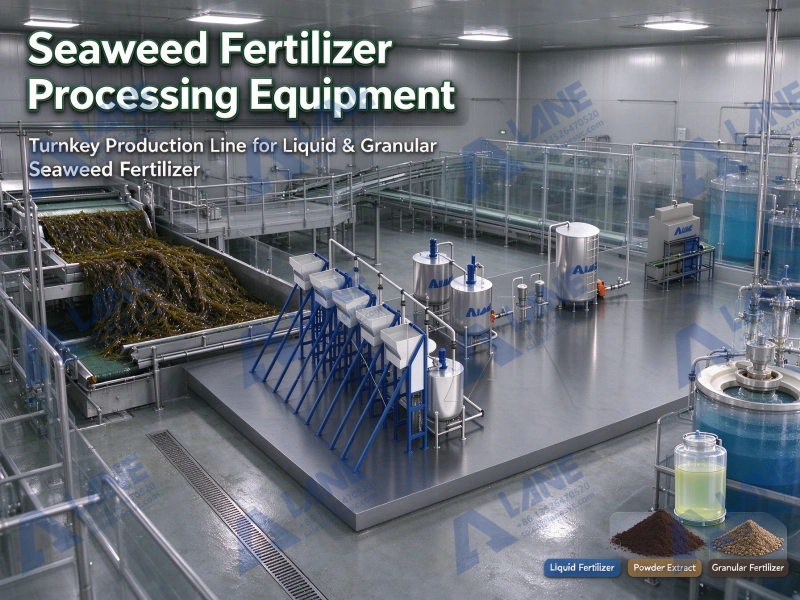
Scrubber for Machine Organic Fertilizer: Ensuring Clean and Efficient Production
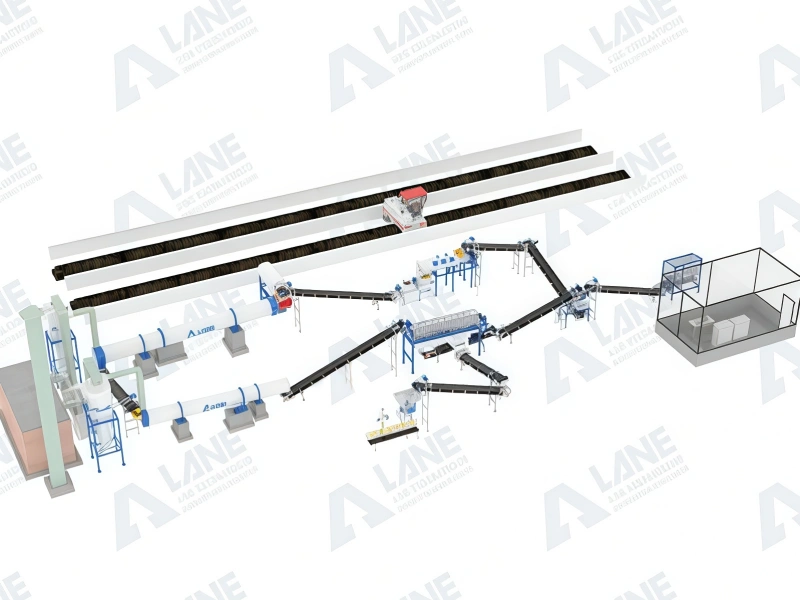
In the production of organic fertilizers, maintaining a clean and environmentally compliant process is crucial. Dust, odors, and other emissions generated during the manufacturing process can pose significant challenges. To address these issues, the Scrubber for Machine Organic Fertilizer has become an essential component in modern fertilizer production facilities. This guide will explore the importance of Scrubber For Machine Organic Fertilizer, how they work, their benefits, and key considerations when selecting the right scrubber for your organic fertilizer production line.
The Role of Scrubber For Machine Organic Fertilizer in Organic Fertilizer Production
During the production of organic fertilizers, particularly in processes involving crushing, mixing, granulating, and drying, various airborne pollutants can be generated. These pollutants include dust particles, ammonia, hydrogen sulfide, and other odorous compounds. If not properly managed, these emissions can lead to environmental pollution, regulatory non-compliance, and unpleasant working conditions.
The Scrubber for Machine Organic Fertilizer is designed to mitigate these issues by capturing and neutralizing harmful emissions before they are released into the atmosphere. By doing so, scrubbers help ensure a cleaner, safer, and more efficient production process.
Key Functions:
- Air Pollution Control: Scrubbers capture airborne particles and gases, preventing them from escaping into the environment.
- Odor Reduction: They effectively neutralize odorous compounds, improving air quality within and around the production facility.
- Compliance: Scrubber For Machine Organic Fertilizer help facilities meet environmental regulations by reducing emissions to acceptable levels.
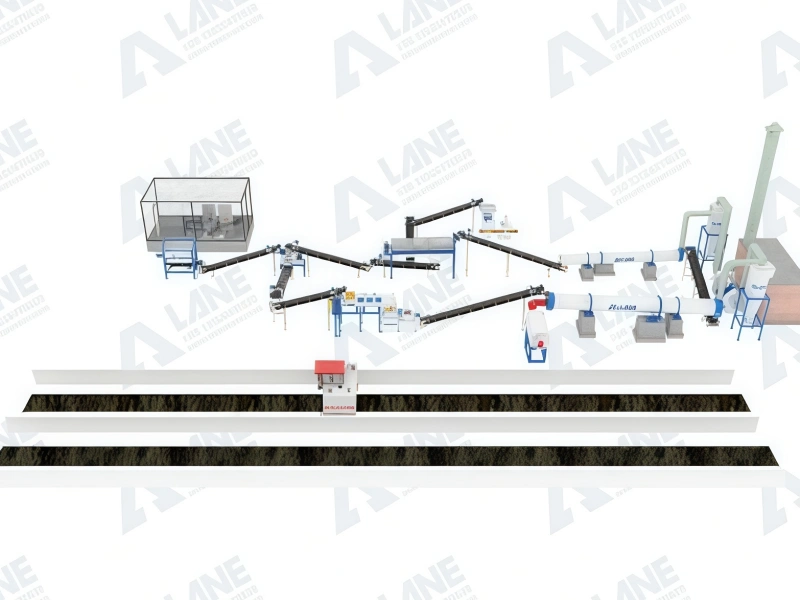
How Scrubbers Work in Organic Fertilizer Production
The Scrubber for Machine Organic Fertilizer operates on the principle of gas absorption and particle removal. There are different types of scrubbers, each designed to target specific pollutants and suited for different stages of fertilizer production.
- Wet Scrubbers
Wet scrubbers are the most commonly used type in organic fertilizer production. They use a liquid, typically water or a chemical solution, to capture and neutralize airborne pollutants.
Process: The polluted air stream is directed through the scrubber, where it comes into contact with the scrubbing liquid. The liquid absorbs gases and traps dust particles, which are then removed from the air stream.
Applications: Wet scrubbers are particularly effective at controlling dust, ammonia, and hydrogen sulfide emissions.
- Dry Scrubbers
Dry scrubbers, as the name suggests, do not use a liquid for scrubbing. Instead, they rely on a dry absorbent material to capture pollutants.
Process: Polluted air passes through the dry scrubber, where the absorbent material reacts with the gases and neutralizes them. The cleaned air is then released, while the absorbent material is either collected or regenerated.
Applications: Dry scrubbers are typically used in situations where water use is limited or where the target pollutants are better captured with a dry medium.
- Bio-Scrubbers
Bio-scrubbers are a more environmentally friendly option that utilizes biological agents to treat pollutants.
Process: The polluted air is passed through a bio-filter containing microorganisms that break down and neutralize harmful gases.
Applications: Bio-scrubbers are effective at reducing odors and treating organic compounds in the air.
| Product Name | Model | Yield | Detail | Speed | Power |
|---|---|---|---|---|---|
| Crawler Compost Turner | LALG-2500 | 400-1500m*3/h | Stacking height 600mm-1500mm | 5-10m/min | 36-170 horsepower |
| Forklift Feeding Hopper | LAH-1.5-3 | Silo size: 1-4 meters | 2250mm*1050mm*1590mm | 1450r/min | 2.2-3KW |
| Vertical Crucher | LAC-60V | 1-12t/h | ZQ series reducer | 1450r/min | 7.5-37KW |
| Organic Fertilizer Granulator | LAZJ-1000 | 1-8t/h | ZY series reducer | 1450r/min | 7.5-11KW |
| Polishing Machine | LAP2-800 | 2-10t/h | Double bearing | 1450r/min | 3-7.5KW |
| Rotary Drum Drying Machine | LARD:1.2-12 | 1-25t/h | ZQ series reducer | 1450r/min | 5.5-22KW |
| Cooling Machine | LARC-1.0-10 | 1-20t/h | ZQ series reducer | 1450r/min | 5.5-22KW |
| Rotary Screen Machine | LAS-1240 | 1-23t/h | ZQ series reducer | 1450r/min | 3-7.5KW |
| Pellet Packing Machine | LAB-50K | 4-30 bags/minute | Packaging specification: 20-50kg | 4-6 bags/min | 50Hz/60Hz/220V/380V |
Benefits of Using a Scrubber For Machine Organic Fertilizer
Investing in a Scrubber For Machine Organic Fertilizer offers several significant benefits that contribute to the overall efficiency and sustainability of the production process.
- Environmental Compliance
One of the primary reasons for using a scrubber is to ensure compliance with environmental regulations. Most regions have strict laws governing air emissions from industrial facilities, and failure to comply can result in fines, shutdowns, or legal action. Scrubbers help producers meet these standards by effectively reducing harmful emissions.
- Improved Air Quality
By capturing dust and neutralizing odors, scrubbers greatly improve the air quality within and around the production facility. This not only creates a healthier work environment for employees but also reduces the impact on the surrounding community.
- Odor Control
Organic fertilizer production often generates strong odors that can be unpleasant and may lead to complaints from neighbors or nearby businesses. Scrubbers are highly effective at controlling these odors, making the production process more community-friendly.
- Enhanced Process Efficiency
Scrubbers help maintain a cleaner production environment, which can enhance the efficiency of other processes. For example, by reducing dust levels, they can help prevent equipment blockages and wear, leading to lower maintenance costs and less downtime.
- Sustainability
Using a scrubber aligns with sustainable production practices. By reducing harmful emissions, you contribute to a cleaner environment and demonstrate a commitment to corporate social responsibility.
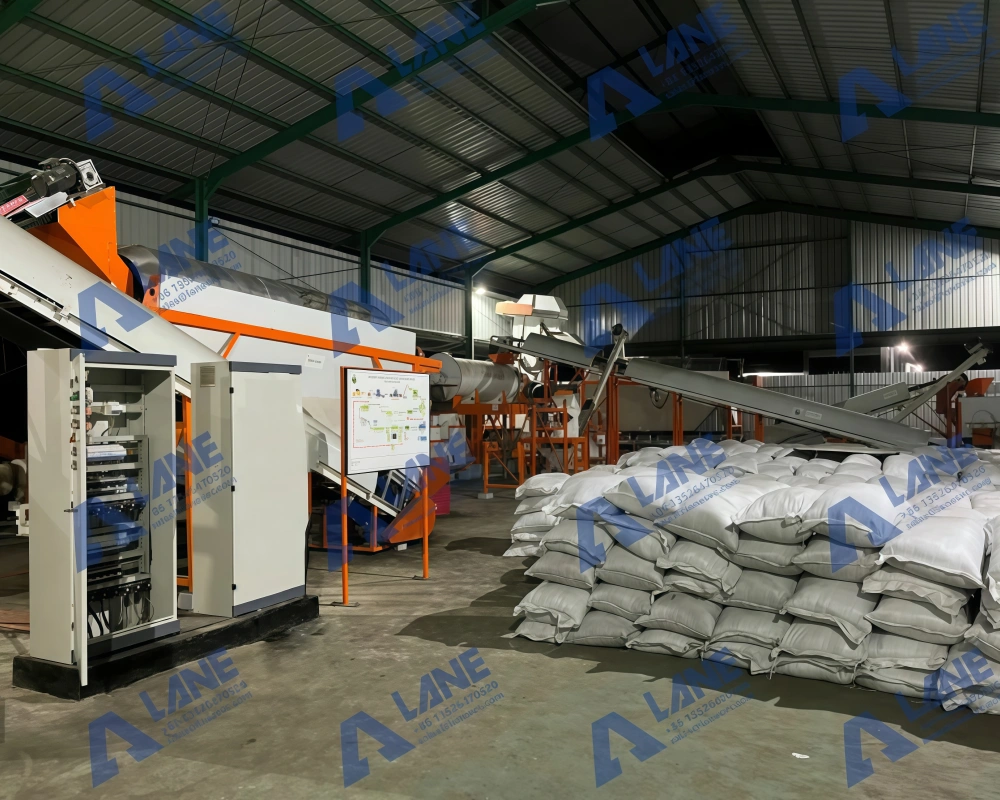
Key Considerations When Choosing a Scrubber For Machine Organic Fertilizer
Selecting the right Scrubber for Machine Organic Fertilizer requires careful consideration of several factors. The choice of Scrubber For Machine Organic Fertilizer will depend on the specific needs of your production process, the types of pollutants generated, and your environmental goals.
- Type of Pollutants
Identify the primary pollutants that need to be controlled in your fertilizer production process. This will help determine whether a wet, dry, or bio-scrubber is most suitable. For example, if ammonia and dust are the main concerns, a wet scrubber might be the best choice.
- Production Scale
Consider the scale of your production operation. Larger facilities with higher emission volumes may require more robust or multiple scrubbers to effectively manage pollutants. Smaller operations may be adequately served by a single, well-sized unit.
- Space and Installation Requirements
Evaluate the available space in your production facility. Some scrubbers, particularly wet scrubbers, require significant space for installation and operation. Ensure that the chosen scrubber can be accommodated without disrupting other production activities.
- Maintenance and Operating Costs
Scrubbers require regular maintenance to function effectively. Consider the long-term operating costs, including the need for replacement parts, cleaning, and the consumption of water or chemicals in the case of wet scrubbers. Opt for a scrubber that offers a good balance between initial investment and ongoing costs.
- Environmental Impact
If sustainability is a key priority, consider a bio-scrubber or a scrubber with a lower environmental footprint. Bio-scrubbers, for example, use natural processes to treat emissions and may be more suitable for facilities aiming for green certification.
- Regulatory Compliance
Ensure that the scrubber you choose meets all relevant environmental regulations and standards. This may involve checking certifications or consulting with regulatory agencies to confirm that the scrubber will enable your facility to remain compliant.
Conclusion
The Scrubber for Machine Organic Fertilizer is an essential component for any fertilizer production facility aiming to maintain a clean and compliant operation. By effectively capturing and neutralizing harmful emissions, scrubbers protect the environment, enhance air quality, and contribute to the overall efficiency of the production process. When selecting a scrubber, it’s important to consider the specific needs of your operation, including the types of pollutants you need to control, the scale of production, and your environmental goals. Investing in the right Scrubber For Machine Organic Fertilizer will not only help you meet regulatory requirements but also demonstrate your commitment to sustainable and responsible production practices.