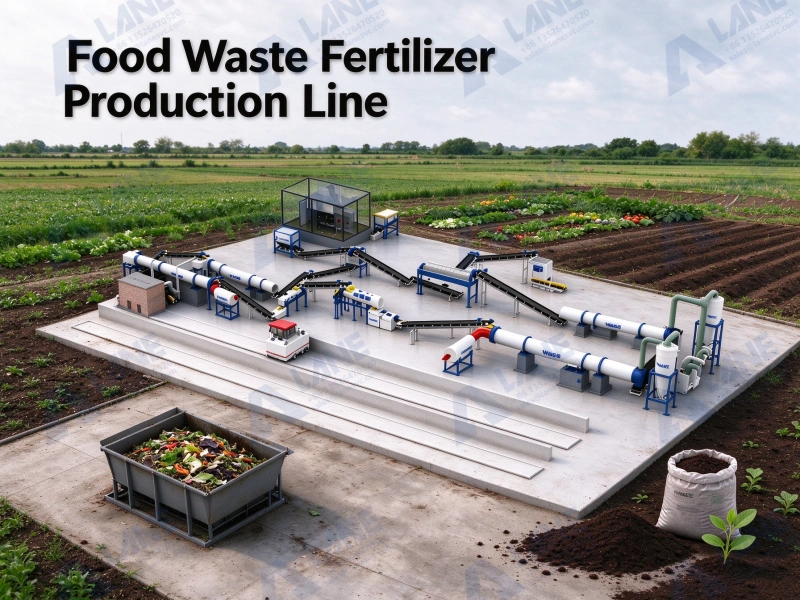
When Is It Economical to Transform Wet Fertilizer Line into Dry Granulation Process?
Many manufacturers of compound fertilizers in traditional factory areas have long been burdened with high and continuous operating costs. The wet fertilizer line is highly dependent on drying equipment, and the daily production will consume a large amount of electricity, fuel and industrial water.
More and more factory managers are starting to evaluate production line renovation plans, planning to renovate the wet fertilizer line, adopt the extrusion dry granulation process, reduce continuous operation expenses, and improve the overall profit margin.
This article summarizes clear evaluation criteria, real cost comparison, and the implementation process of transformation, so that plant operators can judge whether upgrading the wet fertilizer line to a dry granulation scheme is in line with the long-term business goals of the enterprise.
Core Differences Between Wet and Dry Granulation for Compound Fertilizer Manufacturing
Before calculating the benefits brought by the transformation, the factory manager needs to have a thorough understanding of the operation mode of the two material forming processes. The fundamental difference in technology directly determines the amount of investment needed to upgrade the wet fertilizer line, as well as the cost of daily operation of the upgraded equipment.
1. Working Logic of Conventional Wet Fertilizer Granulation
Traditional wet fertilizer granulation relies on water or steam to bond powdery raw materials. After the particles are formed inside the granulator, the entire material flow must go through the drying and cooling process before stable finished fertilizer can be produced. This typical wet fertilizer line consumes significant thermal energy at the drying stage.
2. Dry Granulation Technology Without Drying Procedures
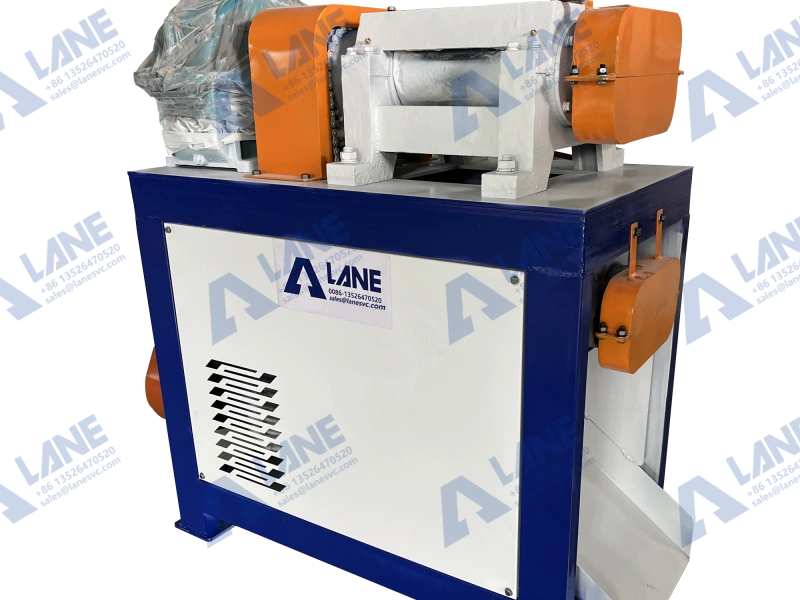
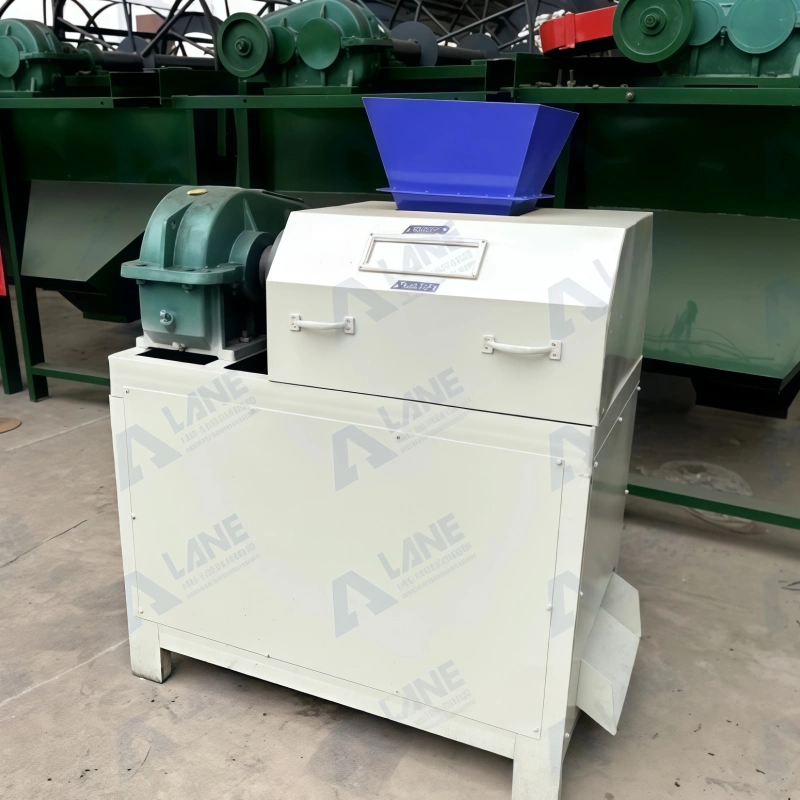
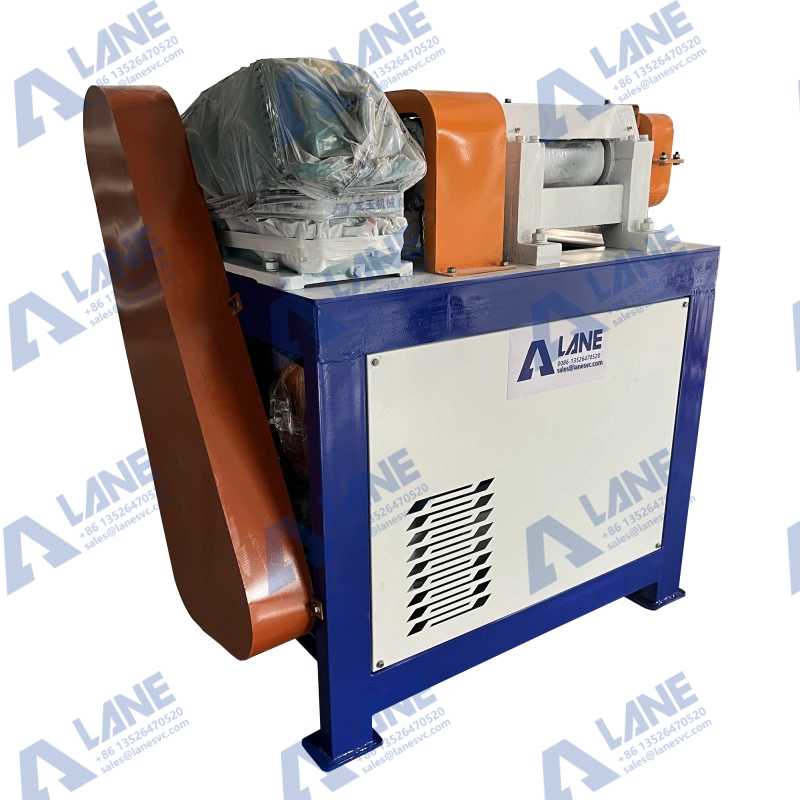
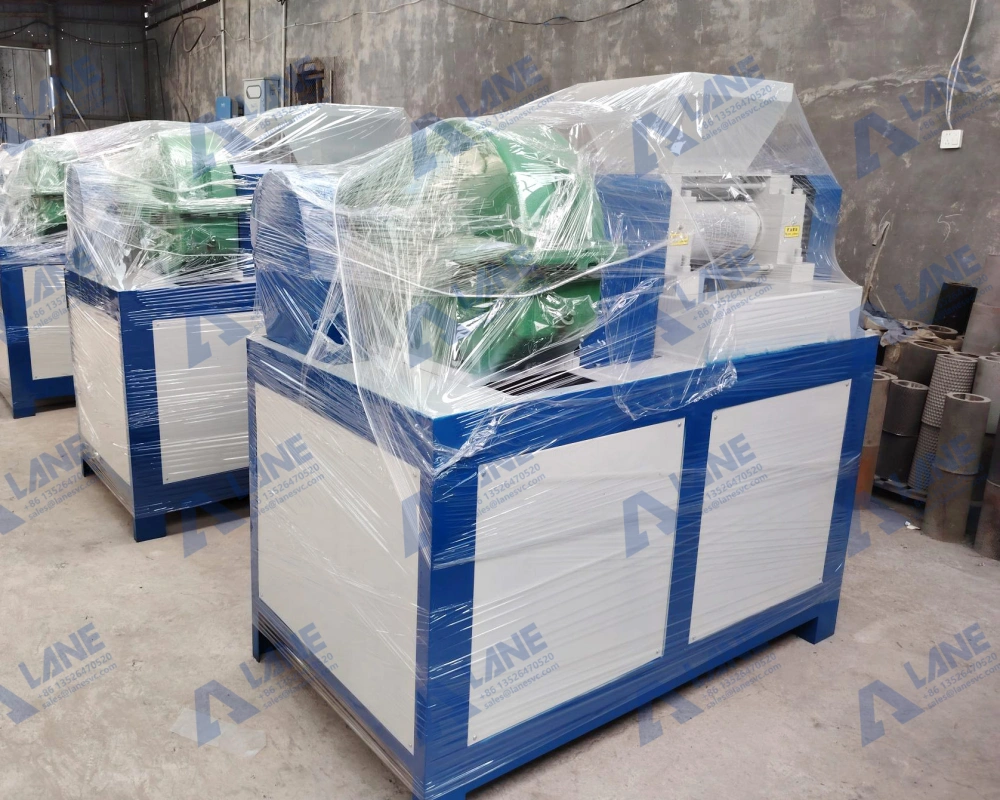
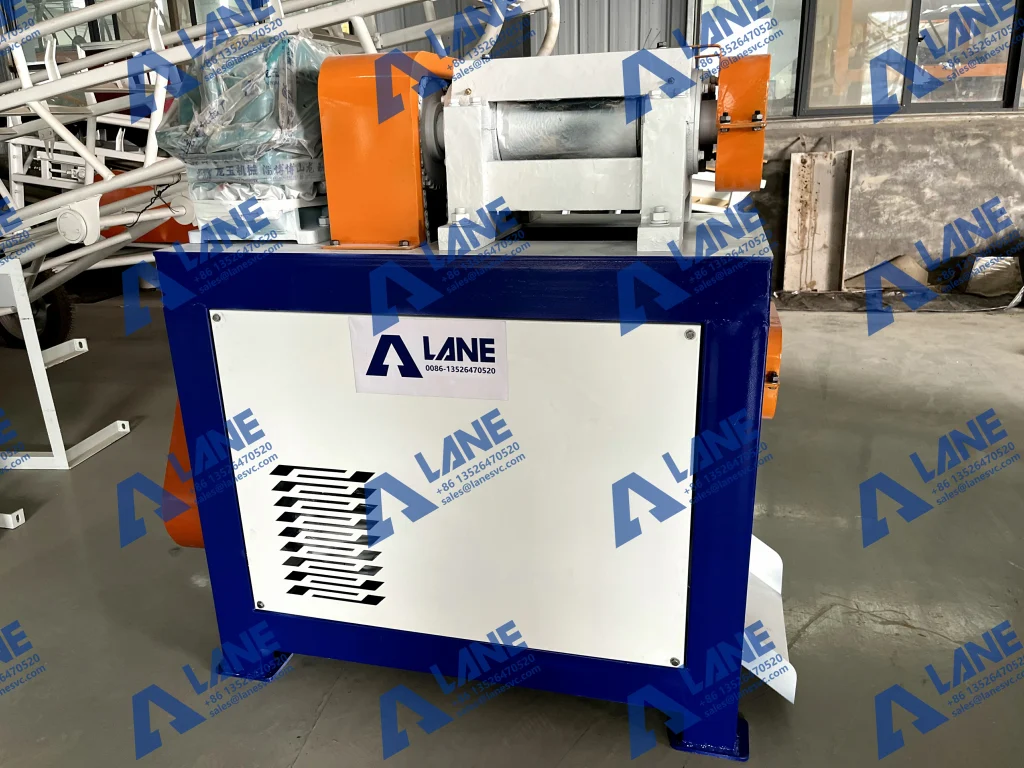
Dry granulation relies on mechanical pressure to compact the powder directly into a solid fertilizer granule. The entire production process eliminates the need for water addition and high-temperature drying. Our factory’s roller granulator is specifically developed and manufactured for this type of water-free molding process, which fundamentally changes the operational logic of the original wet fertilizer line.
Economic Prerequisites to Renovate Wet Fertilizer Line into Dry Granulation
Not all production plants can achieve profitability after upgrading. Combining dozens of fertilizer factory renovation cases, we summarized several key conditions. If your fertilizer line meets most of these standards, this retrofit project is worth a thorough evaluation.
- Continuous High Energy Expense on Existing Wet Production Equipment
If the drying system of the wet fertilizer line runs for more than 10 hours a day, fuel and electricity bills will become a heavy burden in the long run. With the help of dry granulation technology, the drying unit can be eliminated, and considerable operating cost savings can be achieved every month. This is the primary driver for most managers to reconsider their fertilizer line configuration.
- Raw Material Adaptability for Dry Extrusion Granulation
The dry extrusion process has strict restrictions on the moisture content of the raw material. Raw materials with too high viscosity and water content cannot produce qualified particles on the roller granulator. Before the enterprise plans to renovate the wet fertilizer line, the operators must complete the raw material molding test in advance to ensure the existing wet fertilizer line feed is compatible with dry processing.
- Stable Annual Output and Fixed Fertilizer Formula Standards
Only by maintaining stable and continuous production in the long run can the investment in production line transformation be gradually recovered. Factories with frequent order fluctuations and frequent formula adjustments are not suitable for converting the wet fertilizer line to dry granulation mode, because the economic benefit of a wet fertilizer line under such conditions is harder to predict.
- Available Workshop Space and Acceptable Renovation Budget
The installation of a new granulator unit and the adjustment of the material conveying layout require sufficient factory space to be reserved. The person in charge of the factory should confirm the available budget before drawing up the construction plan for the upgrade of the wet fertilizer line. Proper space planning ensures the new dry system integrates smoothly with the remaining sections of the wet fertilizer line.
Investment Breakdown for Wet Fertilizer Line Dry Granulation Renovation
Many purchasers only calculate the purchase cost of the granulator when making budget planning. A set of complete wet fertilizer line renovation project, including equipment procurement, pipeline renovation, production line commissioning and other supporting expenditures that cannot be ignored.
Core Equipment Replacement: Double Roller Granulator Deployment
The roller granulator is the core forming machine after the transformation is completed. Customers can choose the suitable model according to the target output, we provide several specifications, the capacity covers 0.8 tons/hour to 4.5 tons/hour, suitable for different scale production lines. Replacing the granulator is the most critical step in retrofitting any wet fertilizer line.
Modification and Upgrade Expense for Auxiliary Equipment
The original feeding, screening, and conveying equipment may need local modification. The operator needs to adjust the material delivery route to match the continuous operation rhythm of the newly installed roller granulator. These adjustments ensure that the revamped wet fertilizer line operates without bottlenecks between old and new sections.
Changes in Labor, Debugging and Daily Maintenance Outlay
After the renovation, the drying post can be abolished, which can reduce the regular labor expenses. At the same time, the factory needs to arrange professional technicians to complete the equipment installation, system debugging, and daily maintenance of the rollers. This staffing change is a direct consequence of upgrading the wet fertilizer line to a dry process.
Profit Comparison: Wet Granulation VS Dry Granulation After Line Renovation
In order to objectively evaluate the value of the renovation, the factory manager needs to compare the monthly continuous operating expenses. The following focuses on the main changes in benefits after the switch from wet fertilizer line to extrusion dry granulation.
1. Operating Cost Savings from Removing Drying Equipment
The drying process accounts for most of the power and fuel consumption of the wet fertilizer line. After canceling this production link, the monthly energy expenditure of the factory during the continuous production stage will decrease significantly. This saving directly improves the profitability of the former wet fertilizer line.
2. Cut Down Expense on Water Supply and Wastewater Treatment
Wet granulation will consume a large amount of process water, and the wastewater produced must be treated before it can be discharged. Dry granulation almost no longer produces sewage, which can significantly reduce the related management costs of water treatment. This advantage makes the renovated wet fertilizer line much more environmentally friendly.
3. Improvement On Physical Quality of Dry Granulated Fertilizer Pellets
The fertilizer granules formed by the double roller granulator have a higher density and a lower crushing rate. Compared with the output of the wet process, the finished product has better anti-caking performance during long-distance transportation and storage. Thus, product quality from the new dry line often exceeds that from the original wet fertilizer line.
Scenarios Where Wet Fertilizer Line Transformation Is Not Economically Viable
The dry granulation project cannot create revenue for all fertilizer factories. We list several typical cases, and plant operators should postpone or abandon the plan to modify the wet fertilizer line.
- Unstable Continuous Output and Insufficient Customer Orders
If the order volume fluctuates greatly, it is impossible to achieve stable continuous production throughout the year, and the energy cost saved cannot cover the investment in transformation. In this situation, it is more prudent to retain the original wet fertilizer line rather than risk underutilizing a new dry system.
- Raw Material Properties Not Suitable for Extrusion Forming
Raw materials with too high moisture content and rich in viscous organic fibers cannot be formed into complete particles by dry extrusion. Even if the wet fertilizer line is upgraded, the qualified rate of finished products will still be maintained at a low level, rendering the investment in the wet fertilizer line modification ineffective.
- Special Fertilizer Formulas That Rely on Wet Bonding Technology
Some special compound fertilizer formulations require the use of liquid binder in wet granulation to achieve uniform distribution of nutrients. After switching to dry granulation, the finished product cannot meet the established technical indicators. For such cases, keeping the existing wet fertilizer line is the only viable option.
Feasibility Assessment Methods for Dry Granulation Renovation Projects
A complete assessment needs to be completed before any wet fertilizer line renovation commences. Systematic calculation can help factories avoid blind investment and avoid unnecessary financial losses caused by mismatched process routes.
Conduct Dry Extrusion Tests Using Local Raw Materials
The raw material test is the most important link, sending representative raw material samples, completing the granulation test on the roller granulator, and confirming whether the granules after dry forming can meet the market quality standards. This test determines if your specific wet fertilizer line feedstock can transition successfully.
Evaluate Investment Budget and Capital Payback Cycle
Calculate the total investment of the transformation, the monthly cost savings of the operation, and the estimated annual production days. Factory managers can calculate the payback period and judge whether the upgrade plan of the wet fertilizer line is in line with the long-term business plan. A shorter payback period strongly favors converting the wet fertilizer line.
Design Production Line Layout and Transformation Scheme
Combine the existing factory structure, equipment placement, and material transportation route to draw the layout of the renovation. The plan needs to reserve sufficient operation and maintenance space for the newly installed roller granulator. A well-designed layout ensures the new dry line and the remaining parts of the wet fertilizer line function harmoniously.
Why Double Roller Granulator Becomes the Preferred Equipment for Wet-To-Dry Fertilizer Line Upgrade
Many fertilizer plant technicians compared several dry granulation equipment, and our roller granulator has been widely used in the wet fertilizer line renovation projects of many compound fertilizer manufacturers around the world.
1. Core Technical Advantages of Dry Extrusion Granulator
This device does not need to add water or steam, and it is formed by squeezing once. Operators can adjust the roller speed and roller mold according to the target particle size. The compact equipment structure can reduce the installation space required for the renovation of the wet fertilizer line, which is a key concern when working within the footprint of an existing wet fertilizer line.
2. Complete Supporting Solutions for Fertilizer Production Lines
Our technical team can provide layout suggestions, parameter guidance, and after-sales service to support customers in building a complete dry granulation system based on the original wet fertilizer line. We understand every wet fertilizer line has unique characteristics, and our solutions are tailored accordingly.
| Model | Capacity(tph) | Power(kw) | Size(mm) | Roller size(mm) | Rotation Speed(rpm) |
|---|---|---|---|---|---|
| LAZR-1.0 | 0.8-1 | 11-15 | 1200*700*1000 | Φ150*220 | 1450 |
| LAZR-1.5 | 1-1.5 | 11-15 | 1300*800*1100 | Φ150*300 | 1450 |
| LAZR-2.0 | 2-3 | 22 | 1630*850*1650 | Φ168*300 | 1450 |
| LAZR-3.0 | 3-4.5 | 30 | 1900*1050*1200 | Φ300*300 | 1450 |
Frequently Asked Questions About Wet Fertilizer Line Transformation
Q1: What core economic gains can factories obtain by transforming wet fertilizer line to dry granulation?
A1: The benefits mainly come from saving drying energy and reducing sewage treatment expenses. At the same time, the physical quality of dry granular fertilizer is better, and the crushing rate is lower. These gains directly offset the previous high costs of the wet fertilizer line.
Q2: How long is the typical payback cycle for wet fertilizer line dry granulation renovation?
A2: The payback period mainly depends on the daily operation time and local energy prices. Most of the projects in the medium fertilizer plant, which has been in operation for a long time, can recover all the investment within 1 to 3 years. This makes converting a busy wet fertilizer line a financially sound decision.
Q3: Can all wet compound fertilizer production lines switch over to dry granulation?
A3: No. The characteristics of raw materials, product formula, and annual production scale will determine the feasibility, and the raw material molding test must be completed before starting the renovation of the wet fertilizer line. Not every wet fertilizer line is a good candidate for conversion.
Q4: Which kinds of raw materials adapt well to dry extrusion granulation process?
A4: All kinds of powdery NPK compound fertilizer raw materials with moderate water content can be adapted; Raw materials with excessive moisture and a large amount of sticky organic matter usually cannot form qualified particles. Such challenging materials are better processed through the original wet fertilizer line.
Q5: Does wet fertilizer line transformation require full replacement of all original machines?
A5: Not necessarily. Most of the original screening and conveying equipment can continue to be used, only the granulator main unit needs to be replaced and the front and rear material routes need to be adjusted, which can control the overall transformation investment. This partial retention makes upgrading a wet fertilizer line more affordable than building a completely new production line.
Comprehensive Conclusion on Wet Fertilizer Line Dry Granulation Renovation Judgement
The transformation of the wet fertilizer line to dry granulation has significant cost reduction potential, but the project cannot be finalized solely based on theoretical data. Each factory needs to make rational choices based on raw material conditions, order stability, and financial situation. A thorough evaluation of your specific wet fertilizer line is essential before committing to any changes.
If your factory is evaluating an upgrade plan for existing production equipment, the LANE team provides raw material granulation testing, production line layout planning, and targeted roller granulator selection services for fertilizer manufacturers around the world. We specialize in helping clients determine whether their wet fertilizer line should be converted, optimized, or left in its original form