Why Is My Conveyor Belt Tracking Off‑Center? Causes and Solutions
I spend most of my working hours dealing with conveyor equipment failures on-site at fertilizer plants and bulk material processing plants. I have seen a lot of on-site technicians wasting a lot of time turning the adjustment bolts back and forth. Only blindly adjusting the accessories, without observing the actual running state of the belt, will cause the conveyor belt to run off-center and reappear repeatedly.
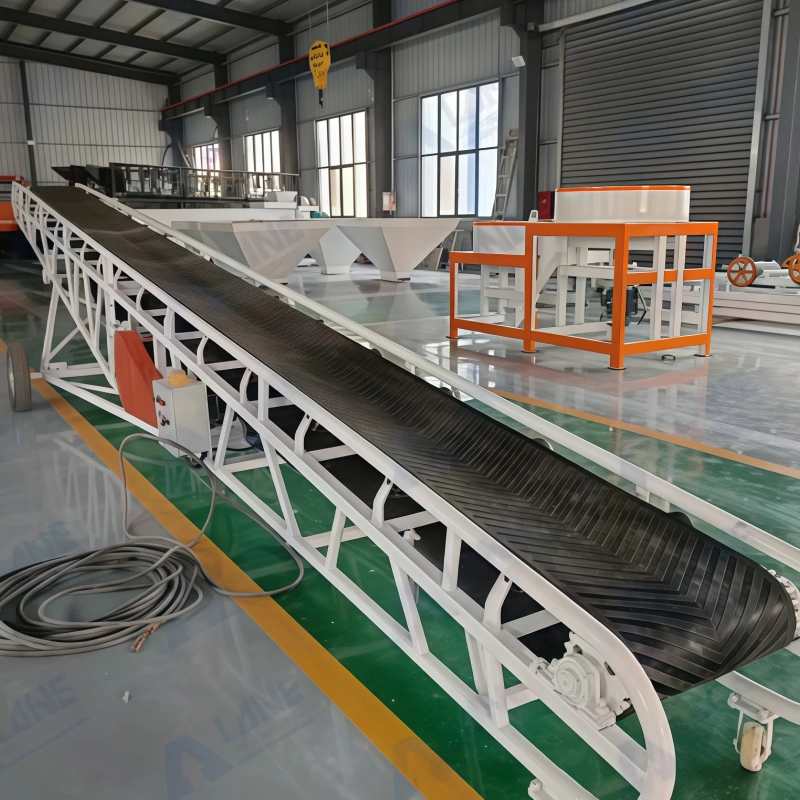
The deviation of the conveyor belt is very common in the loose material conveying production line. Even if it is installed properly in the early stage, it will still deviate after running for several weeks or months. After the belt runs off-track, the edge will be worn out, the material will be scattered on the ground, and the machine will suddenly stop, disrupting the production plan. By pinpointing the real cause of the offset and mastering practical debugging techniques, you can make the belt return to straight and stabilize the entire production line operation.
What Is Conveyor Belt Tracking and Why Misalignment Matters
Lots of site operators do not react when they spot minor belt drift. They tell themselves a small offset is nothing serious. But small offset never stays small. It slowly gets worse shift after shift, and eventually brings real trouble for equipment and plant running costs.
> Belt Edge Friction Causes Accelerated Conveyor Wear
Once the belt drifts sideways, one edge will keep scraping against conveyor frame or side guide rollers. That constant rubbing wears away belt rubber layer by layer. You may find cracks along one belt edge long before the rest of the belt shows obvious aging.
> Off‑center Operation Leads to Bulk Material Spillage
When the belt runs off‑track, bulk material leans toward one side of belt surface. During transport, part of the material slides over the belt edge and drops down. Factories lose usable raw stock, and workers have to spend extra time cleaning spilled material around the conveyor base every workday.
> Severe Misalignment Triggers Emergency Production Shutdown
If drift keeps growing, the belt can squeeze and fold on one side. Most site conveyors come with emergency protection switches. The system will cut power automatically to avoid further damage. These unplanned stops break continuous production and pull down daily output numbers.
> Unstable Tracking Shortens Service Life of Rollers and Drums
A misaligned belt puts uneven pressure across rollers and drive drums. One side bears far heavier load than the other. Under long‑term one‑sided stress, roller bearings wear out faster, and drum surface also suffers abnormal abrasion. You will face more frequent part replacement work.
Core Causes of Conveyor Belt Tracking Off‑center Problems
You will hardly meet a conveyor tracking fault caused by only one single factor. In real‑world plant conditions, multiple factors pile up together. Installation mistakes, uneven tension, worn‑out spare parts or uneven material laying all contribute to conveyor belt tracking off‑center.
> Uneven Belt Tension Leads to Unbalanced Running Force
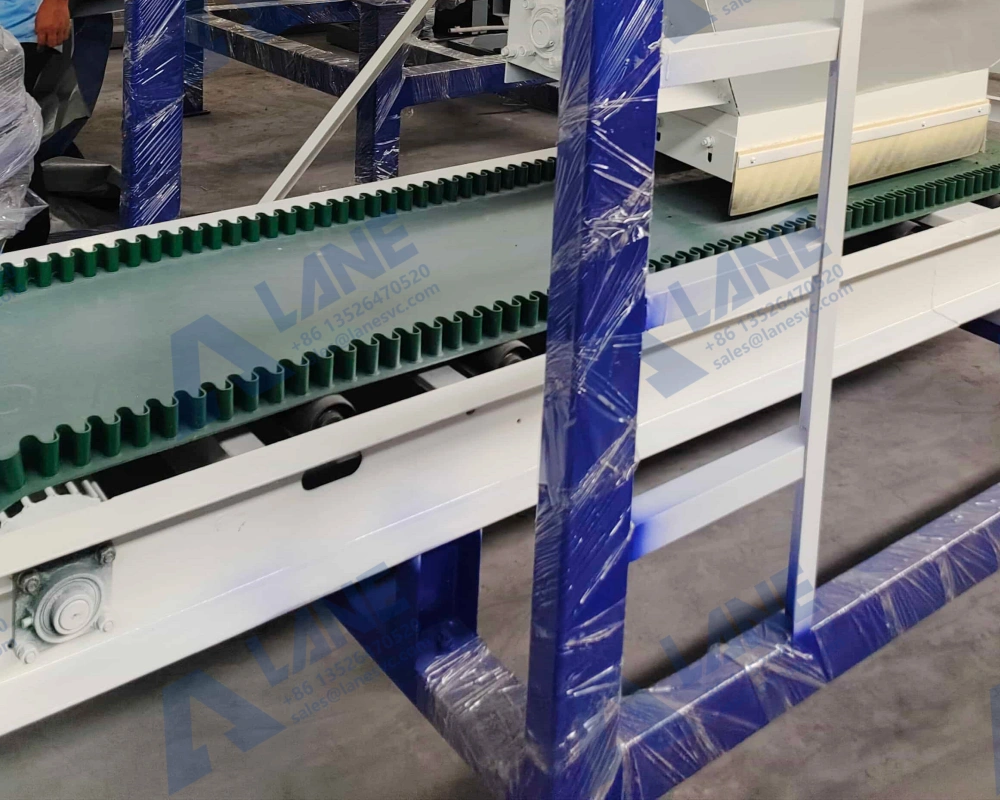
Tension difference between left and right sides ranks high among common drift triggers. The belt naturally travels toward the tighter side. This condition can come from improper manual tension adjustment, or tension springs losing elasticity after long running hours.
> Non‑parallel Head and Tail Drums Destroy Linear Tracking
Head and tail drums need to stay parallel to each other for straight belt travel. Even a tiny angle error during installation will not show issues right away. After weeks of running, the running path slowly distorts and the belt starts drifting constantly.
> Improper Roller Installation and Stuck Idler Rotation
Some idlers are mounted slightly tilted during assembly. Some other rollers get stuck because of dust, sticky material or rust. When rollers cannot spin freely or sit at wrong angles, friction differs across belt width and pushes belt sideways step by step.
> Unbalanced Material Distribution on Belt Surface
Many production lines have fixed feed chutes. If material drops down away from belt centerline, bulk stock piles on one half of belt. Weight difference from uneven material loading pushes belt off‑center when the conveyor carries material.
> Local Belt Wear, Aging and Deformation
After long service hours, belt wear does not happen equally over the whole surface. One side may stretch or wear more than the opposite edge. Aging belts also develop inconsistent elasticity left‑to‑right. Such physical changes break balance and bring regular conveyor belt tracking deviation.
How to Quickly Inspect Conveyor Belt Tracking Deviation
Jumping straight into adjustment without checking is a bad habit I often see on site. You need to finish proper inspection work first. Clear observation steps help maintenance staff locate root causes, instead of blind trial‑and‑error disassembly.
> Static Inspection of Drum Parallelism and Idler Levelness
Shut down the conveyor and lock power supply before static inspection. Use level measuring tools to check alignment of head and tail drums. Walk along the whole conveyor frame and look for tilted or uneven idlers. This step rules out basic installation‑related defects.
> Check Belt Tension Uniformity on Both Sides
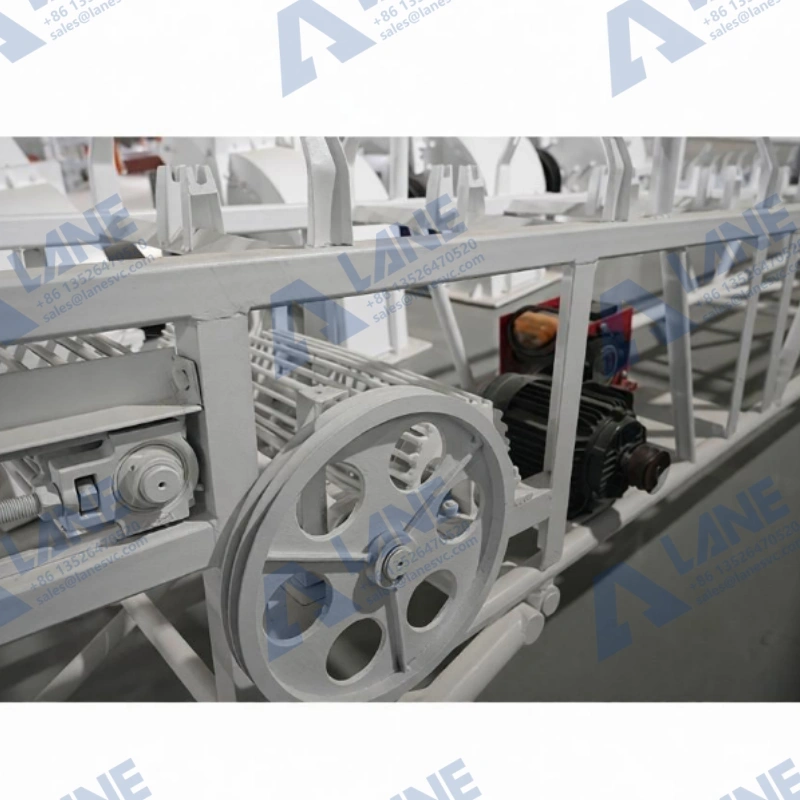
Manually test how tight each belt edge feels. On LANE assembled conveyor sets, tension hardware supports fine‑grade tuning. Even tension across two edges lays good ground for fixing conveyor belt tracking off‑center troubles.
> Dynamic Observation of Running Offset Direction
Start the conveyor with zero material load. Watch carefully which direction the belt drifts, and how fast the offset builds up. Different drift patterns correspond to different fault sources, offering real reference for later adjustment work.
> Check Local Wear, Joint Flatness and Belt Deformation
Pay special attention to belt splicing joints and heavily worn sections. Uneven joints will trigger periodical drift that repeats for every belt cycle. Replace badly deformed belts before you spend time adjusting other parts.
> Monitor Material Feeding Position and Stacking State
Run the conveyor under normal load condition. Watch where material lands on belt surface. Eccentric feeding stands as a very common reason for offset that only appears when carrying bulk stock.
Practical Solutions to Fix Conveyor Belt Tracking Misalignment
Different root faults ask for different correction methods. When you follow practical adjustment logic, you can get belt back to center position without harming conveyor rollers, drums or belt body itself.
> Adjust Tension System to Balance Left and Right Belt Force
For tension‑caused drift, work on tail tension assembly. Tune left and right tension parts until both belt edges show similar tightness. Our conveyor tension structure supports tiny incremental tweaks to stabilize conveyor belt tracking performance.
> Calibrate Head and Tail Drum Parallelism and Horizontal Level
Loosen mounting bolts for head and tail drums. Readjust drum position and angle strictly referring to installation drawing. After correction, keep drums parallel and level, which removes drift caused by assembly error.
> Rectify Stuck or Misinstalled Supporting Rollers
Clean dirt and sticky material off stuck idlers so rollers can rotate freely again. Re‑level those tilted supporting rollers. Uniform support and friction will fix minor conveyor belt tracking offset issues.
> Optimize Feeding Position to Centralize Material Distribution
Modify feed baffle plates and adjust chute angle. Make bulk material fall onto belt center zone. Centered material input eliminates offset triggered by one‑sided material weight.
> Replace Severely Deformed and Uneven Worn Belts
If belt suffers heavy deformation or uneven wear, no amount of adjustment will deliver long‑term fix. Put on properly matched new belt, and you will restore stable conveyor belt tracking status.
Standard Operation Rules to Prevent Conveyor Belt Tracking Problems
Quite a lot of conveyor belt tracking failures can be avoided through routine maintenance work. Stick to regular inspection habits and standard operating practice, and your belt will keep running centered for much longer time.
> Regular Tension Detection and Fine Adjustment
Carry out tension inspection every week during routine shift work. Correct small tension differences early. Minor tweaks done on schedule can stop serious conveyor belt tracking off‑center faults from developing later.
> Periodic Cleaning of Idlers and Drum Surface Adhesives
Material sticking onto roller surfaces creates uneven friction. Set monthly cleaning work for all rotating rollers and drums. Keep component surfaces clean to maintain consistent running resistance.
> Standardize Installation Process for New Conveyor Accessories
Whenever you replace rollers or drums, follow official installation requirements strictly. Good assembly precision keeps conveyor belt tracking hidden risks from appearing from the start.
> Avoid Long‑term Eccentric Feeding in Continuous Production
Watch feeding condition during daily shifts. Once you spot material dropping off‑center, adjust baffles right away. Proper feeding keeps belt load balanced in continuous‑run production.
> Timely Replacement of Aging and Fatigued Conveyor Belts
Keep simple service‑hour records for conveyor belts. Change aged belts before obvious deformation shows up. This measure preserves steady conveyor belt tracking performance over long‑term production.
| Model | Capacity(tph) | Width(mm) | Speed(m/s) |
|---|---|---|---|
| B500 | 30-60 | 680 | 1.25-2.0 |
| B600 | 50-80 | 780 | 1.25-2.0 |
| B650 | 70-100 | 830 | 1.25-2.0 |
| B800 | 90-120 | 980 | 1.25-2.0 |
| B1000 | 110-140 | 1180 | 1.25-2.0 |
Common Debugging Mistakes in Conveyor Belt Tracking Adjustment
I’ve watched many less‑experienced maintenance staff make wrong moves during adjustment. Improper correction may pull belt back to center for a short while, yet it brings worse conveyor belt tracking problems after a few working hours.
> Excessive Adjustment of Drum Angle in One‑time Debugging
Some operators twist drum mounting bolts by large amounts in one go. Over‑correction pushes belt to drift toward the opposite side, and you end up seeing back‑and‑forth belt wandering.
> Blind Tension Increase Without Finding Root Causes
Simply cranking up tension cannot fix offset caused by assembly error or eccentric feeding. It only speeds up belt aging and raises mechanical load for whole conveyor system.
> Ignore Minor Idler Deviation and Only Adjust Main Drums
Lots of small‑scale drift originates from slightly tilted idlers. If you only work on main drive and tail drums and overlook idler problems, tracking faults will keep coming back.
> Adjust Tracking While the Conveyor Is Overloaded
When conveyor runs under full‑load condition, belt bears heavy uneven stress. Making adjustments in this status gives unreliable calibration results and can worsen belt wandering.
> Neglect Belt Joint Unevenness Leading to Recurrent Offset
Poorly finished belt joints create cyclic jitter and offset. If you skip joint inspection, all other adjustment work will deliver very limited real improvement.
FAQ
Plant maintenance crews often raise practical questions about conveyor belt tracking off‑center and field adjustment. Five frequently‑asked real‑world questions are sorted out below for bulk‑material production sites.
Q1: Why does the conveyor belt run off-center after loading?
It is mostly caused by slight tension imbalance or small offset of the feeding point. The minor defects are concealed in the empty state, but they are magnified when the material is loaded, resulting in deviation.
Q2: Which part should be adjusted first to solve the problem of conveyor belt run-off?
Prioritize checking and leveling belt tension. Tension balance is the basis of straightness. After the tension treatment is in place, calibrate the roller and idler according to the actual offset performance.
Q3: Will the dirty accumulation on the roller cause the conveyor belt to run off-center?
Yes. The accumulation of materials changes the flatness of the roller surface, and the friction force of the belt contact surface appears a difference. Over time, it will form a continuous deviation of the conveyor belt.
Q4: How to completely solve the problem that the conveyor belt runs off repeatedly after debugging?
Prioritize checking the belt interface and belt aging deformation, and replace the belt if necessary. Correct the feeding position, insist on cleaning the roller body regularly, and eliminate all run-off hazards.
Q5: Frequent deviation adjustment means that the conveying equipment is old?
Not necessarily. Frequent deviation often comes from improper operation and lack of daily maintenance. All parameters are normal, but the system still runs off-track repeatedly, so the entire system needs to be overhauled and replacement parts need to be replaced.
summary
The deviation of the conveyor belt is still one of the most frequent faults in the loose material conveying production line. The deviation in real factory conditions is mostly caused by multiple factors: imbalance of tension, non-parallel rollers, misalignment of support rollers, unbalanced feeding, and belt deformation. There is no universal debugging method, you need to observe the actual operation status on site, choose a suitable correction scheme, and implement daily maintenance.
The LANE series conveyor adopts practical structural optimization for tension balance and assembly convenience, helping fertilizer processing plants reduce the probability of conveyor belt run-off faults. Perform on-site observation, adhere to daily maintenance, reduce ineffective repairs, and ensure stable output of the factory.