1-2T/H Cat Litter Production Line: Small Investment, Complete Process for New Pet Litter Factories
Why 1-2T/H Cat Litter Production Line Is the Best Choice for New Cat Litter Investors
The number of domestic pet keepers continues to rise, and the market demand for bentonite cat litter, plant fiber cat litter and mixed function cat litter is rising year by year. Many newcomers want to open a cat litter processing factory, but they are concerned about excessive equipment investment and unstable market sales.
The 1–2T/H cat litter production line adopts a modular integrated design that balances low investment costs and stable continuous production capacity, so it is highly suitable for small processing workshops, regional distribution plants, and new pet brands to carry out market trial production.
Core Advantages of Small-Scale Cat Litter Production Line Compared with Large Production Equipment
The 5-10T/H large-scale cat litter production line is aimed at large-scale mass production enterprises, and has high requirements for plant area, capital investment and long-term stable orders.
The 1-2T/H cat litter production line has four outstanding highlights: low equipment procurement cost, short installation and commissioning cycle, simple worker operation training, and free capacity expansion and upgrading in the later stage.
Market Adaptability of Small Cat Litter Production Equipment
The new cat litter brand needs to constantly adjust the raw material formula, deodorization and water absorption and other product functions to suit consumer preferences. It is not convenient for large production lines to change the formula frequently.
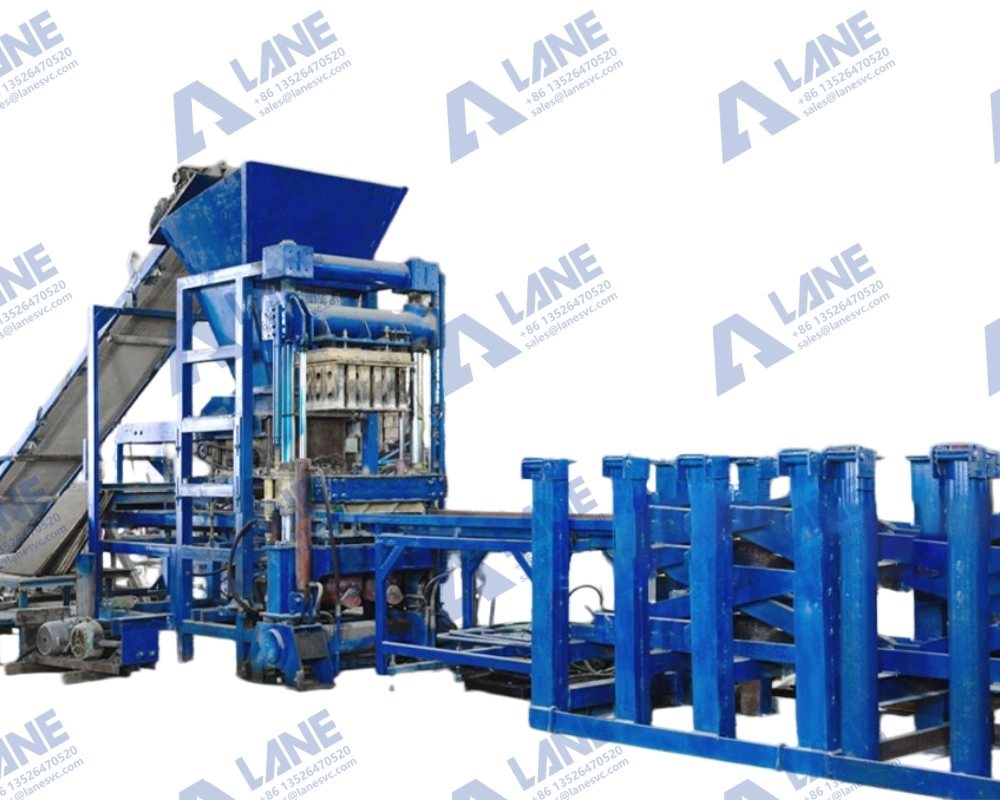
The small 1-2T/H cat litter production line can quickly replace raw materials and adjust granulation parameters to enable the flexible trial production of silicone cat litter, corn core cat litter, paper cat litter and bentonite cat litter.
Full List of Suitable Raw Materials for Cat Litter Production Line
The type of raw material directly determines the water absorption, deodorization, particle hardness and production process of the finished cat litter. This production line can be compatible with the mixed processing of inorganic mineral raw materials and plant fiber raw materials at the same time.
Seven main ingredients for making cat litter:
- Silicone: An inorganic raw material with strong water absorption, specially used to produce transparent crystal silicone cat litter.
- Talc powder: A natural mineral raw material with excellent adsorption and odor-locking effects, often blended with bentonite to improve the deodorizing ability of cat litter.
- Pulp: Cellulose material derived from waste paper and wood processing, serving as the core raw material of degradable paper cat litter.
- Corn Cob: Processed corn cob fiber featuring low cost and lightweight texture, widely adopted for affordable corn cob cat litter.
- Coconut shell: A coconut shell fiber raw material, with natural deodorizing properties, suitable for high-end plant cat litter production.
- Binder: Binding materials such as starch and clay. They enhance the bonding force between particles and avoid the easy crumbling of cat litter.
- Functional auxiliary materials: Deodorant powder, disinfectants and water-absorbing auxiliaries, which are applied to improve the functional performance of cat litter.
Standard Complete Process Flow of 1-2T/H of Cat Litter Production Line
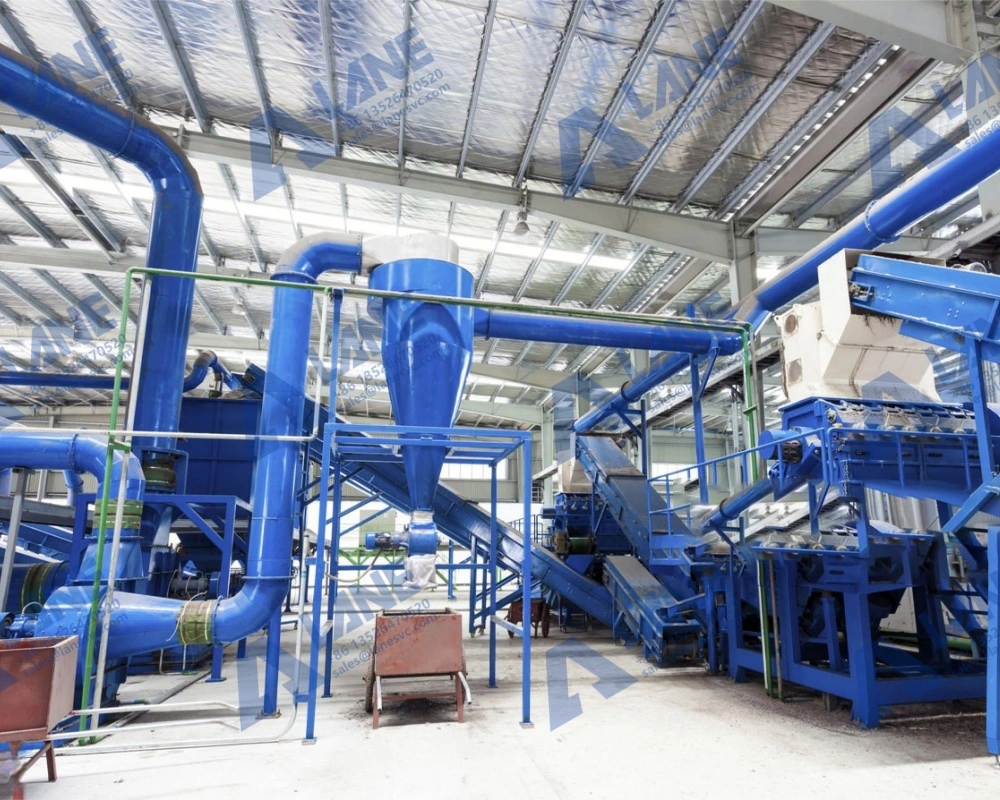
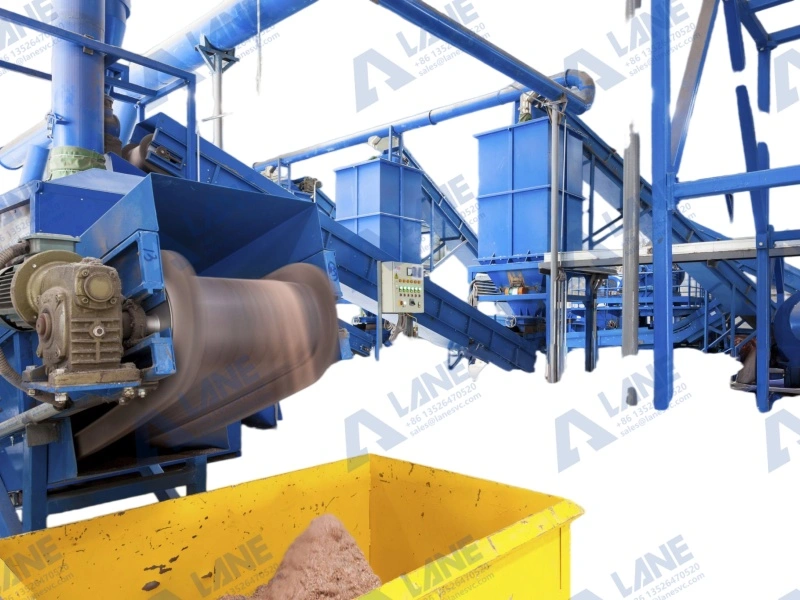
The whole production process is divided into seven core processes: raw material pretreatment, disc granulation, rounding, screening and grading, hot air drying, forced cooling, automatic packaging, and closed transportation between equipment to reduce dust leakage.
Process 1 – Raw Material Pretreatment: Impurity Removal, Grinding and Uniform Mixing
Bentonite, clay and other lumpy raw materials are first sent to the grinding equipment and crushed into uniform fine powder, then sieved to remove impurities, and fully mixed with water, binder and functional auxiliaries in the mixer.
This process ensures the uniformity of raw material moisture and the uniform proportion of various materials, laying the foundation for the smooth molding of subsequent cat litter particles.
Process 2 Disc Granulation: Cat Litter Particle Core Molding Process
The rotating granulation disc drives the raw materials to roll and bond with each other. At the same time, the spraying system quantitatively sprays liquid adhesives, forming round cat litter particles from the powder agglomerates.
During the granulation process, operators can add deodorant, water-absorbing auxiliaries and other auxiliary materials at the same time, and produce multi-functional cat litter in one molding.
Process 3 – Rounding & Multi-Layer Screening for Pellet Uniformity Control
The shape of the newly formed particles is irregular. First, they are sent to the rounding machine, and the particles are polished into smooth balls by rolling friction inside the equipment.
After rounding, the material enters the multi-layer vibrating screen, and the sieve separates out super-large coarse particles, standard finished product particles and fine powders. Unqualified particles can be recycled and molded in the granulation process for the second time.
Process 4 Hot Air Circulation Drying, Control the Moisture Content of Cat Litter
The screened wet cat litter particles contain excess water, which is prone to molding and clumping during storage. The drum dryer adopts a closed hot air circulation system to evenly evaporate the internal moisture of the particles.
After drying, the moisture of the cat litter reaches the national standard for warehousing, which greatly reduces the breakage rate during transportation and packaging.
Process 5 Forced Convection Cooling to Prevent Particle Adhesion
The temperature of the cat litter particles produced by the dryer is relatively high, and the hot particles will stick to each other in direct packaging, affecting the appearance of the product.
The cooling machine relies on strong air flow to force convection to quickly reduce high-temperature particles to normal temperature, stabilize the particle structure, and eliminate the problem of packaging and clumping.
Process 6 Automatic Measurement and Sealing Packaging
The finished cat litter after cooling and screening is transported to the automatic packaging machine, and the equipment completes automatic weighing, bagging and sealing, without the need for extensive manual labor.
The packaging machine supports switching between a variety of bag specifications such as 1kg, 5kg, 10kg, etc., to meet the diversified sales and packaging needs of the pet market.
Five Core Competitive Advantages of Our Factory’s Cat Litter Production Line
- Stable, Continuous and Efficient Production, Smooth Material Flow
The whole line of supporting conveying equipment seamlessly connects various processes; there is no material blockage, and the annual production capacity of 1-2T/H is stable, which can meet the daily supply needs of small and medium-sized pet stores and wholesale markets.
- Standardized Process, Producing High-Quality Cat Litter with High Particle Uniformity
From raw material mixing to granulation, rounding, screening and grading, with standardized operating parameters throughout the process, the finished cat litter particles are round and uniform in size, with a low breakage rate, ensuring good market performance.
- Free Adjustment of the Formula, Support Multi-Functional Cat Litter Processing
The auxiliary material feeding port is reserved for the production line. Users can add deodorant, antibacterial and high-water absorption additives according to the hot-selling products in the market, and independently develop plant cat litter, mineral cat litter and mixed-function cat litter.
- Fully Automatic Control System, Greatly Reducing Manual Dependence
The whole line host is equipped with PLC centralized touch screen control, and one person can complete the operation of the whole production line, reducing labor costs and avoiding the problem of product quality instability caused by the variations in manual operation.
- Years of Experience in Equipment Manufacturing, Customized Solutions for Different Customers
Our factory has launched dozens of large, medium and small cat litter production lines. We can adjust the equipment configuration, conveying length and dust removal system according to the customer’s plant area, raw material type and budget. At the same time, we can provide door-to-door installation and commissioning and long-term technical guidance services.
Cat Litter Production Line Supporting Dust Removal and Environmental Protection Configuration
Raw material crushing, mixing and screening processes are very easy to produce dust, which not only pollutes the workshop environment, but also causes raw material loss. Our factory’s standard production line is equipped with a full set of dust removal equipment to meet the environmental assessment standards.
Dust Removal Equipment Commonly Used in Small Cat Litter Workshops
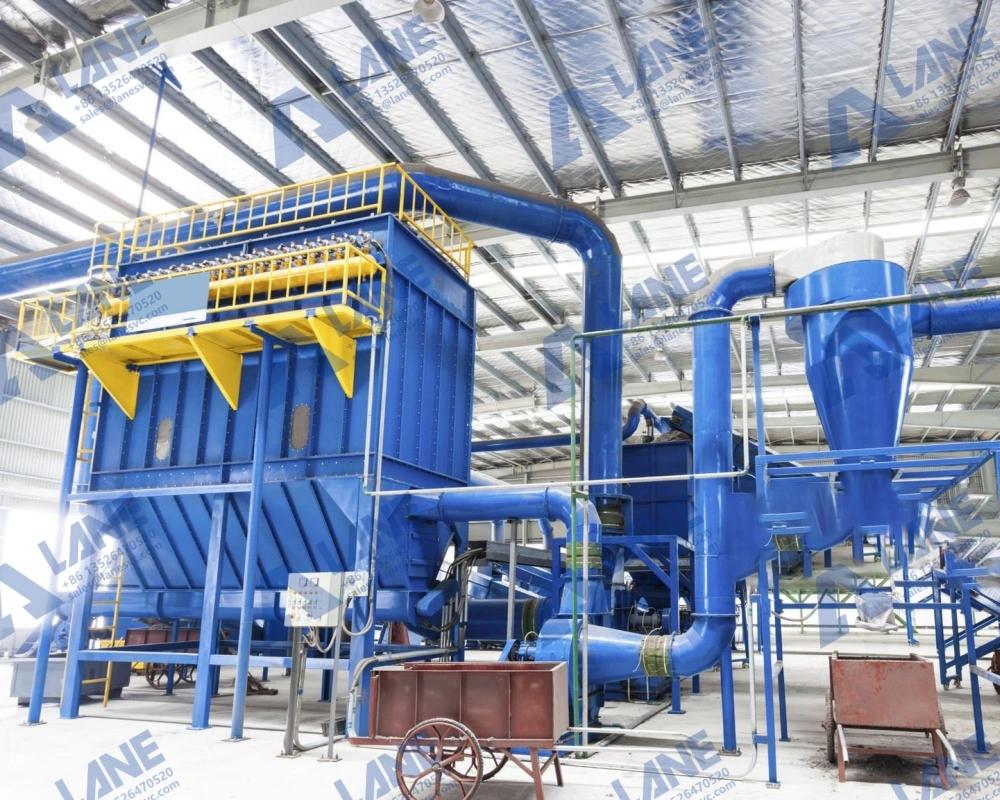
- Cyclone dust collector: Collects large-particle dust produced during crushing and feeding, and recycles raw materials to reduce material loss.
- Cloth bag dust collector: Treats airborne fine dust, purifies workshop air, and protects workers’ respiratory health.
- Fully closed conveying pipeline: Isolates materials inside pipelines to prevent dust leakage during transportation.
Frequently Asked Questions for New Customers Investing in a 1-2T/H Cat Litter Production Line
Q1: Can the 1-2T/H cat litter production line expand the capacity and upgrade the large production capacity in the later stage?
All small cat litter production lines in our factory adopt a modular design, and each piece of equipment is an independent module. When market orders rise in the later stage, customers can separately add granulators, dryers and other equipment to upgrade to 3T/H and 5T/H production lines without the need to replace the whole set of equipment.
Q2: How much factory space is needed to install a 1-2T/H cat litter production line?
The standard complete set of equipment covers an area of about 80-120 square meters, and the workshop floor height needs to be more than 3.5 meters to meet the drying and cooling equipment layout. We can issue an exclusive floor plan free of charge according to the customer’s actual plant size.
Q3: Is the disc granulation process suitable for the production of bentonite cat litter?
The disc granulation process is the mainstream molding process of bentonite cat litter and plant fiber cat litter at present. The equipment failure rate is low and the maintenance is simple. Compared with extrusion granulation equipment, it is more suitable for long-term continuous production in small factories.
Investment and purchase suggestions for the new cat litter processing factory
If you are a novice in the pet cat litter industry and do not have stable large orders and fixed sales channels, it is recommended to buy a 1-2T/H small cat litter production line for trial production first.
After testing a variety of raw material formulas and accumulating market customer resources, users can gradually expand the production capacity according to the sales volume, which can effectively reduce investment risks and improve the long-term operating income of the factory.
If you have any questions about the raw material formula, equipment configuration and factory layout, you can send us the production budget, main raw materials and factory parameters. The professional technical team will tailor the most cost-effective cat litter production plan for you, just contact us!