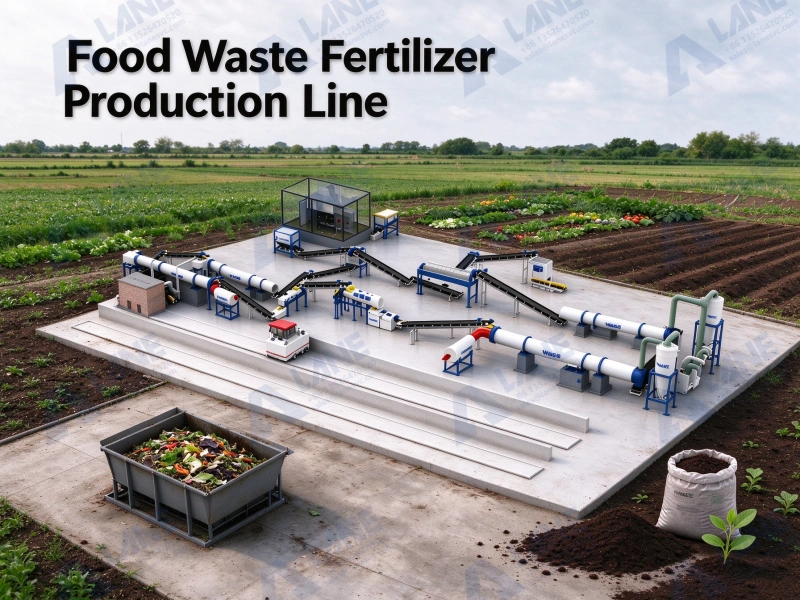
Chicken Manure Pelletization: Disc Granulator Solutions for Wet Materials, Broken Pellets and Low Output
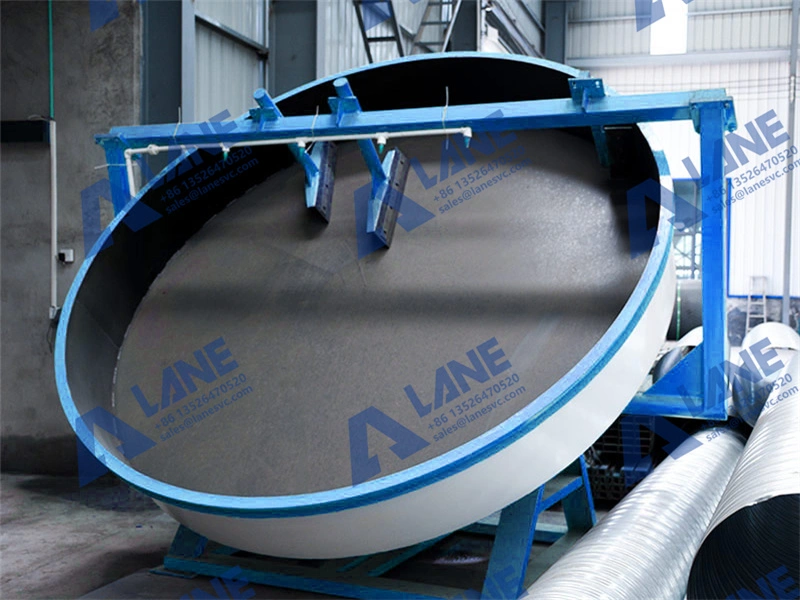
Chicken manure is made into fertilizer granules, which is the mainstream way for many small and medium-sized organic fertilizer factories in China to achieve stable profits. In the first line of production, there will always be various troubles during chicken manure pelletization: wet chicken manure is difficult to form, there are many broken particles, and the yield is high and low, and the appearance of the fertilizer is poor. Many factories have met the standards of various indicators of raw materials, but the finished product rate is low, and the loss of raw materials is serious. To make good chicken manure pellets, you need to match the equipment with standardized operation. The following article summarizes the complete solution that the factory can use for stable production.
Real Difficulties of Chicken Manure in Fertilizer Pellet Production
The material characteristics of chicken manure itself are special, with high water content and soft texture, which is very different from the granulation performance of dry raw materials such as straw. This is also the core reason for frequent failures in the process of chicken manure pelletization. Below, we will sort out the production pain points brought by the materials one by one, so as to facilitate the understanding of the solution logic of the subsequent supporting equipment.
High Humidity Causes Unstable Pellet Formation
When the water content of chicken manure is too high, the overall texture is soft, and it is easy to deform during the rolling forming process. There is no way to produce regular particles stably, and it is difficult for workers to control the effect of granulation every day.
Fine Texture Leads to High Powder Rate
After fermentation, the texture of chicken manure is fine and loose, and it is difficult to form a ball with enough cohesion. A large amount of fine powder will be produced at the end of granulation, and the final qualified finished product will have fewer particles.
Ununiform Fermentation Degree Affects Granulation
Some of the chicken manure from the same batch was fully fermented, while others were not fully decomposed. The viscosity and hardness of materials with different maturity are different, which directly disrupts the stable rhythm of chicken manure pelletization.
Traditional Granulation Equipment Cannot Adapt
Ordinary granulation equipment is mostly designed for dry and hard materials, and cannot be adapted to wet and soft chicken manure. The adjustable space of the old equipment is small, and the problem of repeated failure of granulation occurs.
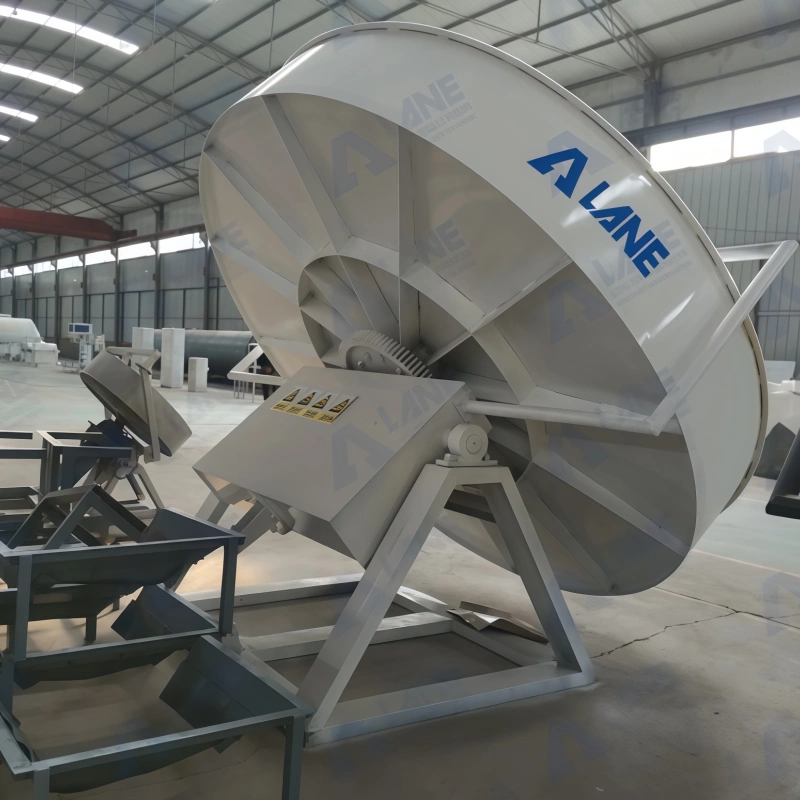
Common Defects in Conventional Chicken Manure Pelletization
Most factories have a large loss of chicken manure pellets, and most of the problems are not due to worker errors, but rather due to the mismatch between the equipment and the chicken manure. It summarizes the high-frequency production problems in the domestic and foreign organic fertilizer workshop, and fits the real production line situation.
> A Large Number of Broken Pellets After Molding
The newly formed chicken manure granules themselves have weak toughness, and the old equipment has a large pressure. The granule forming and falling process is very easy to crack, causing the chicken manure raw material to be wasted.
> Uncontrollable Pellet Size Difference
The quality of each batch of chicken manure will change slightly, and the adjustable range of traditional equipment parameters is limited. The size of the particles produced is random, which affects the appearance and quality stability of the fertilizer.
> Easy Material Adhesion Affects Continuous Production
Wet chicken manure has strong stickiness and easily sticks to the inner wall of the equipment. Workers need to stop the machine frequently to clean it. Repeated shutdowns disrupt the production rhythm and reduce the overall daily output of chicken manure pelletization.
> Low Finished Product Rate Restricts Output
Broken grains, powder, and irregular particles occupy a large amount of raw materials. Even if the chicken manure raw material is sufficient, the qualified production capacity cannot meet the order requirements.
Why Disc Granulator Is Ideal for Chicken Manure Pelletization
Among all the organic fertilizer granulator equipment on the market, the disc granulator is the most suitable for chicken manure pelletization with soft and high-moisture material. The equipment relies on natural rolling and agglomeration to form balls, and specifically solves the two major pain points of difficult chicken manure forming and many broken particles.
- Natural Rolling Agglomeration Forms Round Pellets
The material continues to roll in the inclined disc, and the finely ground chicken manure piles up in layers. Depend on the physical agglomeration method, stable output the surface round and regular fertilizer particles.
- Gentle Processing Avoids Pellet Damage
The disc granulator relies on gravity to roll into shape, without high-strength extrusion. The chicken manure granule is mild in stress, which greatly reduces the problem of chicken manure granule breakage.
- Adjustable Angle and Speed Adapts Wet Manure
The staff can flexibly adjust the inclined angle and rotation speed of the disc to adapt to the current humidity and thickness of the chicken manure. It is still possible to maintain stable granulation when the raw material fluctuates.
- Continuous Feeding Fits Mass Production
The disc granulator can feed evenly and continuously throughout the day to complete granulation. Large fertilizer factories can achieve uninterrupted chicken manure pelletization, raising the daily total output.
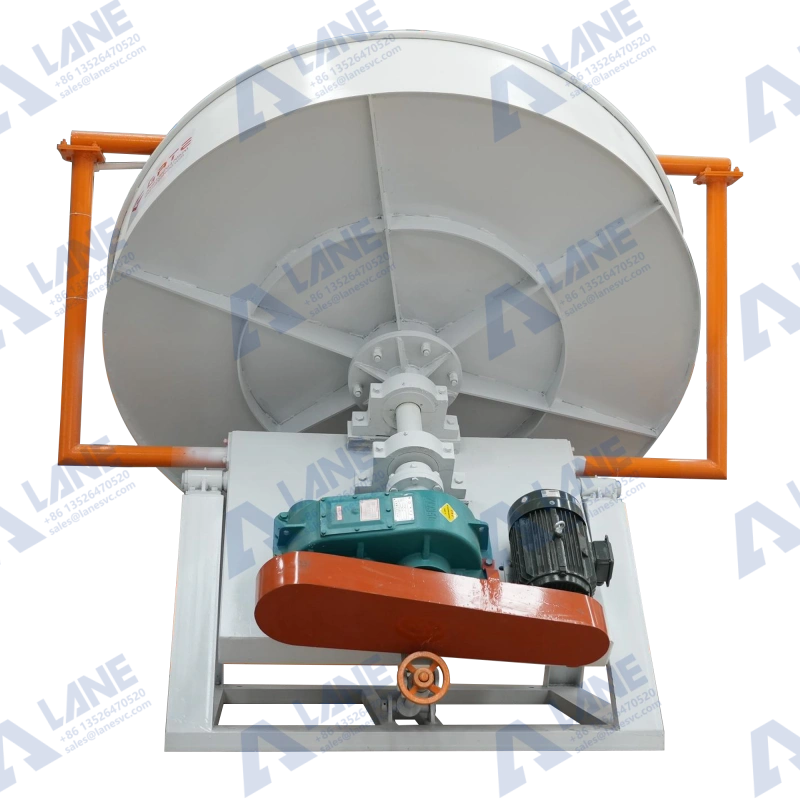
Standard Processing Steps for Stable Chicken Manure Pelletization
In order to ensure the long-term stability of the quality of chicken manure pellets, a fixed and repeatable production process needs to be established. The following set of steps is simple and easy to understand, and can be directly used by overseas fertilizer factories.
- Control Raw Material Moisture Before Granulation
Check the moisture content of chicken manure before feeding, and mix dry auxiliary materials to adjust the humidity if the raw material is too wet. Water stability is the basic condition for smooth chicken manure pelletization.
- Mix Auxiliary Materials to Improve Viscosity
Adding clay, humus, and other auxiliary materials in proportion to chicken manure can improve the ability of materials to form clusters. The material is easier to agglomerate in the disc, and the final powder is less.
- Adjust Disc Parameters According to Materials
Combined with the dry and wetness of chicken manure, adjust the disk inclination and rotation speed. Generally, the greater the humidity, the smaller the angle of the disc needs to be adjusted. Parameter matching is in place, which can effectively prevent particle deformation and uneven size.
- Uniform Feeding and Circulating Granulation
The chicken manure is evenly and steadily transported throughout the process, and the fine powder separated by the sieve is returned to the disc for secondary granulation. Recycling of powder materials to improve the overall output of chicken manure pelletization.
LANE Disc Granulator Advantages for Chicken Manure Production
In response to the characteristics of high humidity, easy to stick to the wall, and easy to break of chicken manure, LANE Heavy Industry has optimized the structure of the disc granulator. Targeted to solve the common problems of chicken manure pelletization in various industries, suitable for long-term continuous organic fertilizer production.
Anti-stick Disc Liner Reduces Material Residue
A special anti-stick liner is installed inside the disc, making it difficult for moist chicken manure to stick firmly to the disc. The residue is reduced, the number of cleaning stops is reduced, and the granulation process is smoother.
Full-surface Scraper Keeps Disc Clean
Customized scraper plates cover the bottom and side walls of the circular plate, and the equipment automatically cleans sticky chicken manure during operation. No need for workers to manually clean up frequently, ensuring the normal operation of granulation.
Frequency Conversion Speed Regulation for Stable Operation
The equipment is equipped with a frequency conversion system, and the speed adjustment is precise and sensitive, so it can quickly adapt to the fluctuation of chicken manure raw materials. Different batches of raw materials can maintain consistent chicken manure pelletization effect.
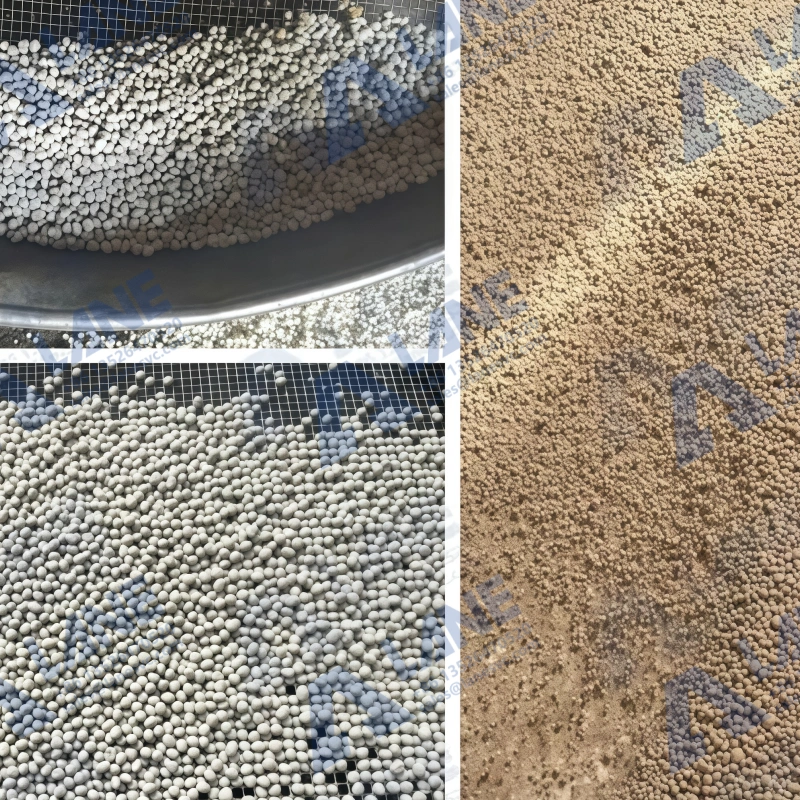
High Roundness Pellets Improve Market Sales
The particles produced by LANE equipment are round and uniform, and the appearance is neat and classy. Standardized organic fertilizer is more favored by buyers, helping factories to increase sales and revenue.
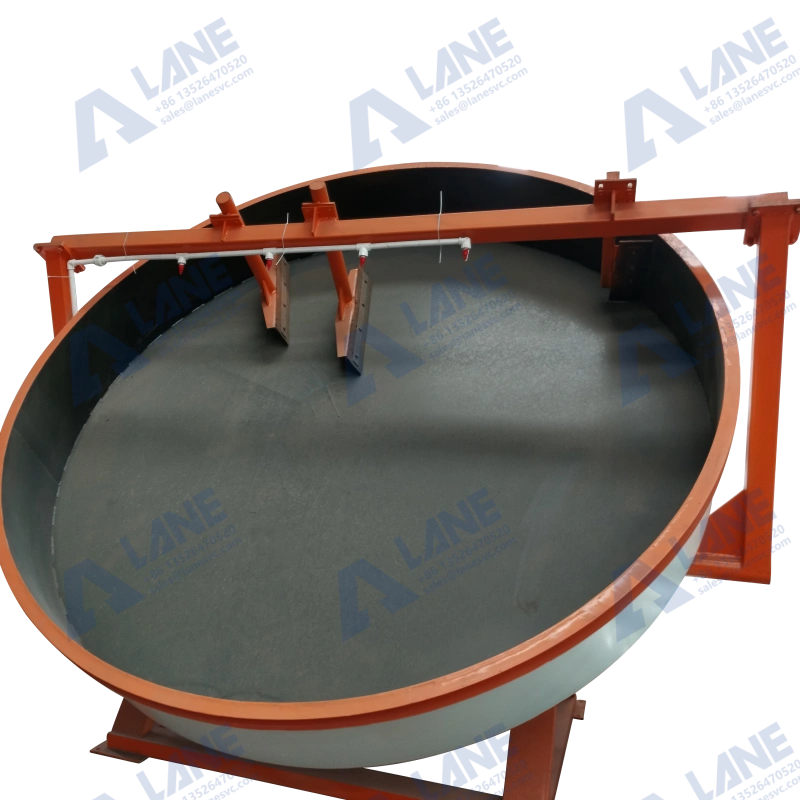
| Model | Capacity(tph) | Size(mm) | Power(kw) | Rotation Speed(rpm) | Pan Diameter(mm) | Tilt Angle(°) |
|---|---|---|---|---|---|---|
| LAZD-500 | 0.05-0.1 | 650*600*800 | 0.75 | 32 | 500 | 35-55 |
| LAZD-1000 | 0.1-0.2 | 1800*1200*1600 | 3 | 25 | 1000 | 35-55 |
| LAZD-1200 | 0.2-0.4 | 2000*1400*1950 | 3 | 22 | 1200 | 35-55 |
| LAZD-1500 | 0.4-0.6 | 2200*1800*2050 | 4 | 20 | 1500 | 35-55 |
| LAZD-1800 | 0.6-0.8 | 2600*2000*2450 | 5.5 | 16 | 1800 | 35-55 |
| LAZD-2000 | 0.8-1 | 2900*2100*2750 | 7.5 | 16 | 2000 | 35-55 |
| LAZD-2200 | 1-1.5 | 2530*2100*2800 | 7.5 | 18 | 2200 | 40-50 |
| LAZD-2500 | 1.5-2 | 2630*2600*2800 | 7.5 | 16.2 | 2500 | 40-50 |
| LAZD-2800 | 2-3 | 2850*3020*3110 | 7.5 | 14.2 | 2800 | 40-50 |
| LAZD-3200 | 3-4 | 3600*3030*3310 | 11 | 13.5 | 3200 | 40-50 |
| LAZD-4000 | 4-5 | 4500*3300*4000 | 15 | 12.3 | 4000 | 45 |
| LAZD-4500 | 5-6 | 5100*3700*4400 | 22 | 10 | 4500 | 45 |
| LAZD-6000 | 6-10 | 6400*5000*6000 | 75 | 8.9 | 6000 | 45 |
Practical Skills to Improve Chicken Manure Pellet Quality
After choosing the right granulation equipment for chicken manure pelletization, fine-grained daily operation is the key to raising the yield. All of the content is based on practical experience in the workshop, with no abstract theories, and is highly applicable to chicken manure pelletization.
- Recycle Fine Powder for Secondary Granulation
All the fine powder separated by the granulator is collected and re-introduced into the disc granulator for re-granulation in chicken manure pelletization. Make full use of chicken manure raw materials and improve the overall raw material utilization rate of chicken manure pelletization.
- Optimize Water Spraying Amount Timely
Spray water mist in moderation when rolling forming during chicken manure pelletization, too much water will easily stick to the plate, and too little water will make the powder more. The worker adjusts the amount of spray water in real time according to the particle forming state in chicken manure pelletization.
- Regularly Check Scraper and Disc Wear
After long-term operation of chicken manure pelletization, the scraper plate and the disc lining plate will be worn out and aged, and the wear is severe, making it impossible to clean the adhesive material. Regularly check and replace the accessories to ensure that the surface is cleaned and the effect of chicken manure pelletization is stable.
- Classify Pellets to Ensure Uniform Finished Products
At the end of the chicken manure pelletization process, a screening device is used to grade the particles according to their size. Materials that are too large or too small are returned for rework in chicken manure pelletization. Only particles with qualified and uniform size will be put into the warehouse as the final product of chicken manure pelletization
Frequently Asked Questions
Question 1: What are the key factors affecting chicken manure pelletization efficiency?
The water content of chicken manure, the degree of composting and fermentation, the parameters of the disc granulator, and the uniformity of the feed are all core elements for efficient chicken manure pelletization. Any parameter imbalance will slow down the progress of granulation.
Question 2: Why do chicken manure pellets break easily after granulation?
The main reasons include excessive moisture in raw materials, insufficient rolling and molding time, excessive equipment squeezing pressure, and wear of scraping accessories. These problems will make the particle compactness insufficient and easy to break.
Question 3: What moisture content is most suitable for chicken manure disc granulation?
The optimal moisture content range for smooth chicken manure pelletization is 30% ~ 35%. This humidity can balance stickiness and firmness, ensuring the smooth production of chicken manure pellets.
Question 4: Can LANE disc granulator handle fully fermented wet chicken manure?
Yes. LANE is equipped with anti-stick lining and adjustable speed, specifically designed for fully decomposed wet chicken manure, and can continuously and stably complete granulation.
Question 5: How to improve the roundness of chicken manure organic fertilizer pellets?
Strictly control the moisture of raw materials, ensure uniform feeding, reasonably adjust the angle of the disc, and recycle the fine powder back to make. By executing the above items, the rolling of the particles will be smoother.
Conclusion
The biggest difficulty in chicken manure pelletization is to control the stability of the wet and soft chicken manure material. The disc granulator relying on the principle of natural rolling and agglomeration is the most mature and stable scheme suitable for chicken manure pelletization at present. Combined with the standardized parameter debugging process, the factory can significantly reduce the proportion of powder, improve the appearance of fertilizer, and increase the overall production capacity by using the optimized disc granulator of LANE Heavy Industry. If your organic fertilizer plant is plagued by various problems caused by granulation, you can consult LANE Heavy Industry to obtain a suitable equipment selection plan and on-site operation guidance for your workshop situation.