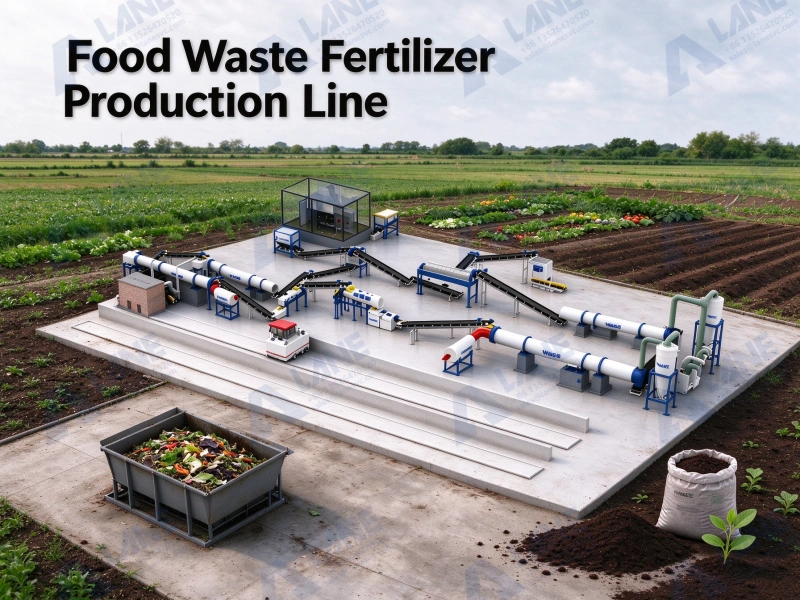
Fertilizer Making Machine Organic: Revolutionizing Sustainable Agriculture
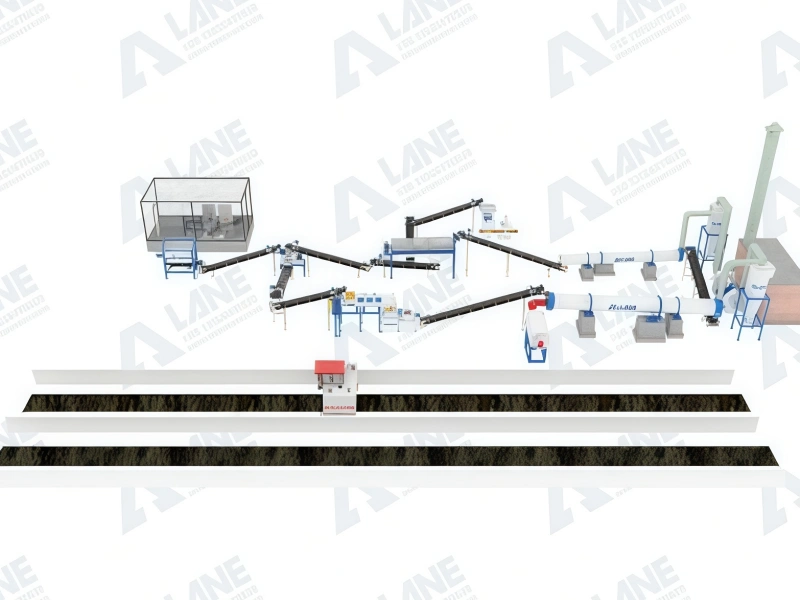
The agricultural industry is undergoing a significant transformation with a strong emphasis on sustainability and eco-friendly practices. One of the most impact innovations in this field is the fertilizer making machine organic. These machines are designed to produce organic fertilizers from various organic waste materials, promoting sustainable farming practices and reducing environmental impact. This article delves into the intricacies of Fertilizer Making Machine Organic, their benefits, working mechanisms, and their influence on modern agriculture.
Overview of Fertilizer Making Machine Organic
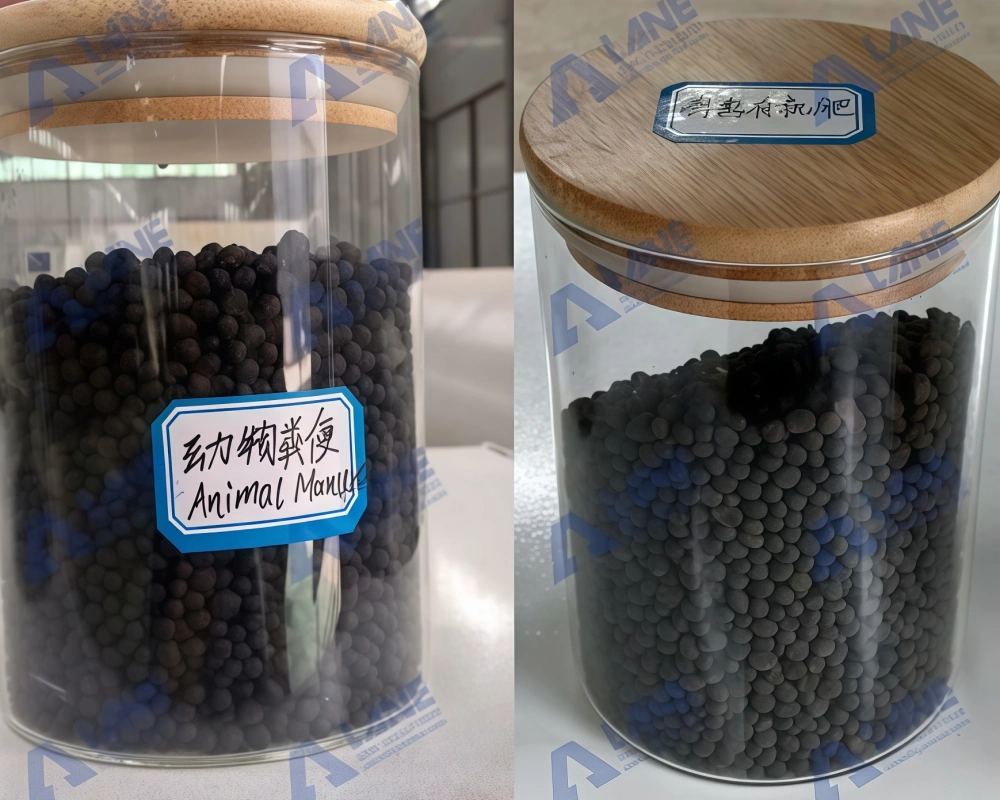
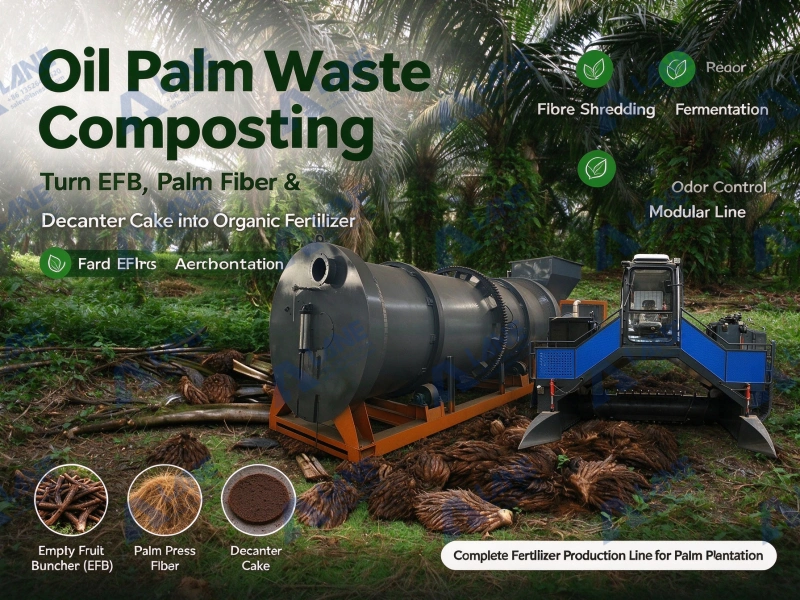
Fertilizer Making Machine Organic are specialized equipment designed to convert organic waste materials such as animal manure, agricultural residues, and kitchen waste into high-quality organic fertilizers. These machines play a crucial role in managing waste effectively and producing nutrient-rich fertilizers that enhance soil health and crop productivity.
Essential Components and Operational Process
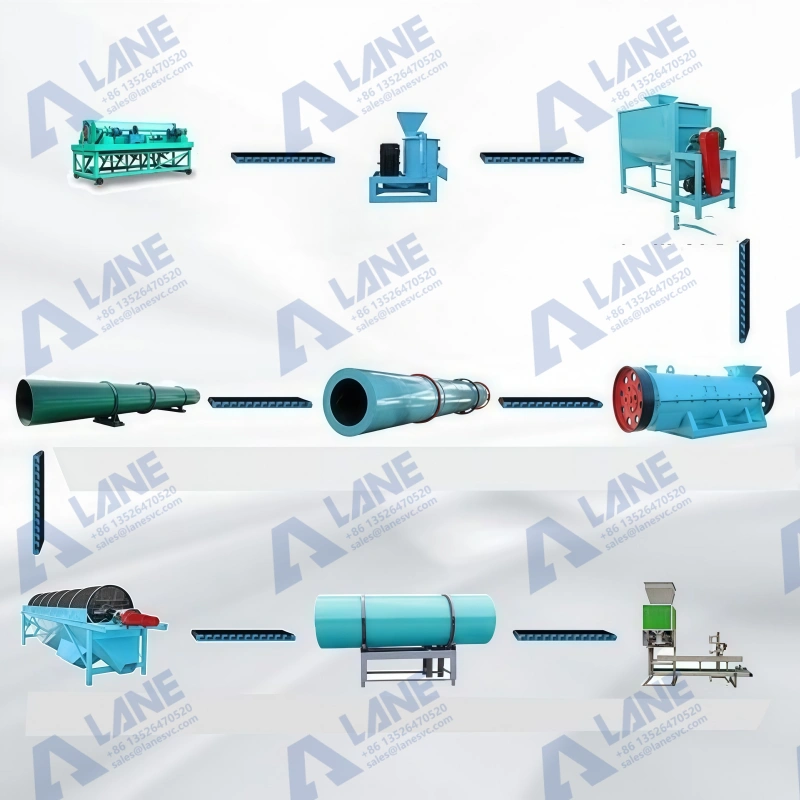
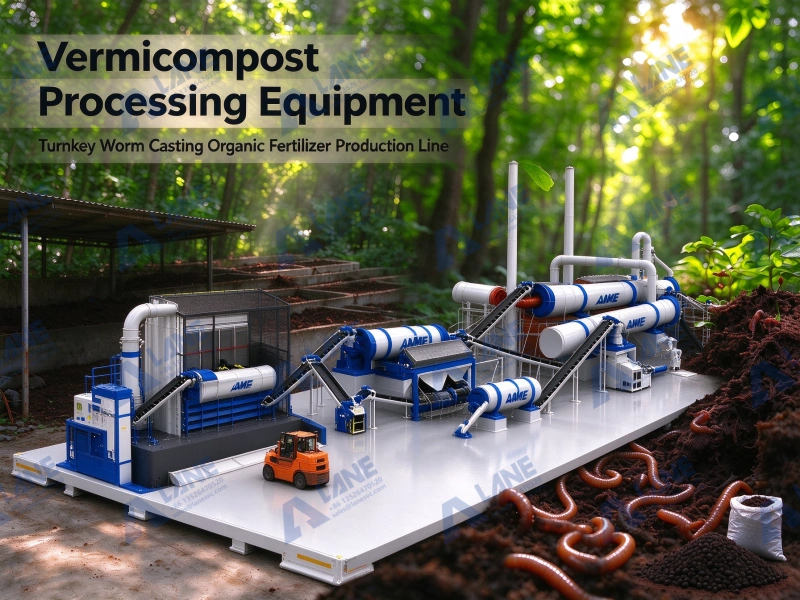
Fertilizer Making Machine Organic typically consist of several essential components:
- Crusher: Breaks down large organic waste materials into smaller particles for easier processing.
- Mixer: Blends the crushed organic materials with other ingredients to create a homogenous mixture.
- Composting Turner: Aerates the compost mixture, promoting microbial activity and speeding up the decomposition process.
- Granulator: Shapes the decomposed organic material into granules, making it easier to handle and apply.
- Dryer: Reduces the moisture content of the granules to ensure they are dry and stable for storage.
- Cooling Machine: Cools the dried granules to prevent caking and maintain their quality.
- Screening Machine: Separates fine granules from larger particles, ensuring uniformity in the final product.
- Packaging Machine: Packs the finished organic fertilizer granules into bags for distribution and use.
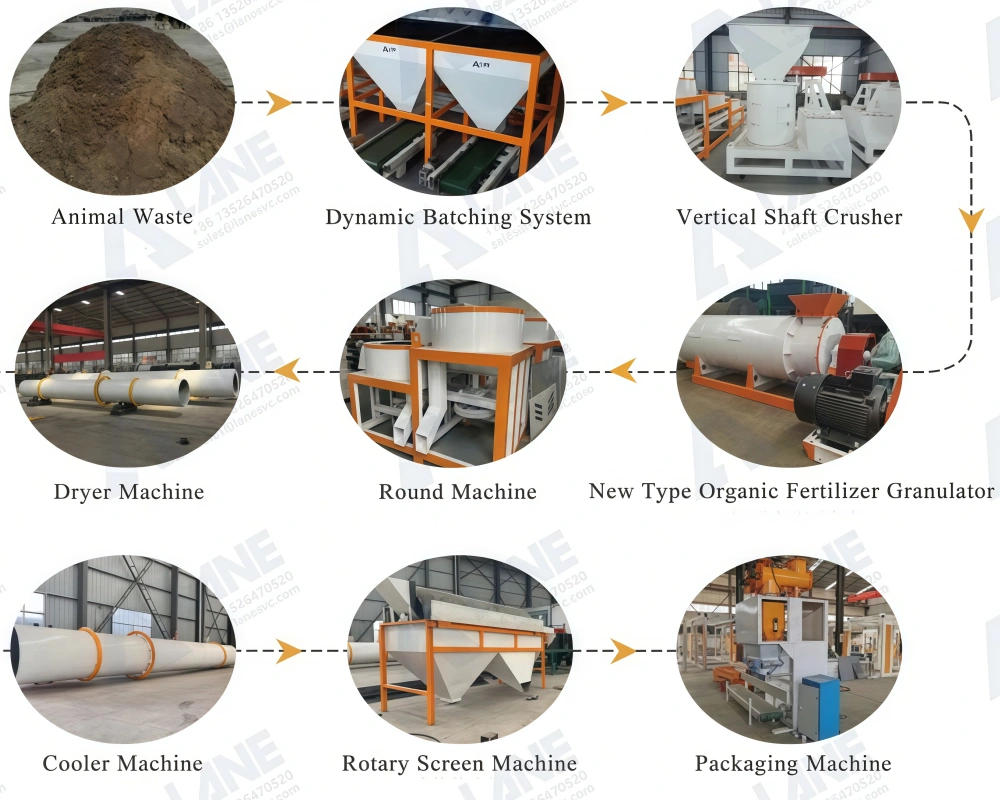
The working mechanism involves a series of steps, starting from the collection of organic waste to the final packaging of the organic fertilizer. The waste is first crushed into smaller particles, then mixed with other organic materials. The mixture is aerated and decomposed in the composting turner. After decomposition, the material is granulated, dried, cooled, screened, and finally packaged.
| Product Name | Model | Yield | Detail | Speed | Power |
|---|---|---|---|---|---|
| Crawler Compost Turner | LALG-2500 | 400-1500m*3/h | Stacking height 600mm-1500mm | 5-10m/min | 36-170 horsepower |
| Forklift Feeding Hopper | LAH-1.5-3 | Silo size: 1-4 meters | 2250mm*1050mm*1590mm | 1450r/min | 2.2-3KW |
| Vertical Crucher | LAC-60V | 1-12t/h | ZQ series reducer | 1450r/min | 7.5-37KW |
| Organic Fertilizer Granulator | LAZJ-1000 | 1-8t/h | ZY series reducer | 1450r/min | 7.5-11KW |
| Polishing Machine | LAP2-800 | 2-10t/h | Double bearing | 1450r/min | 3-7.5KW |
| Rotary Drum Drying Machine | LARD:1.2-12 | 1-25t/h | ZQ series reducer | 1450r/min | 5.5-22KW |
| Cooling Machine | LARC-1.0-10 | 1-20t/h | ZQ series reducer | 1450r/min | 5.5-22KW |
| Rotary Screen Machine | LAS-1240 | 1-23t/h | ZQ series reducer | 1450r/min | 3-7.5KW |
| Pellet Packing Machine | LAB-50K | 4-30 bags/minute | Packaging specification: 20-50kg | 4-6 bags/min | 50Hz/60Hz/220V/380V |
Varieties of Fertilizer Making Machine Organic
There are several types of Fertilizer Making Machine Organic designed for different purposes and material handling needs:
Centrifugal Discharge Machines: These are used for handling fine and powdered materials. The machines discharge the material by centrifugal force.
Continuous Discharge Machines: Designed for gentle handling of fragile materials, these machines discharge material by gravity.
Positive Discharge Machines: Used for handling materials that tend to stick or have a high moisture content. These machines use a series of mechanisms to discharge the material positively.
Each type of machine is designed to handle specific materials and applications, ensuring optimal performance and efficiency in the production process.
Advantages of Fertilizer Making Machine Organic
- Effective Waste Management: Converts organic waste into valuable fertilizers, reducing environmental pollution.
- Improved Soil Fertility: Organic fertilizers enrich the soil with essential nutrients, improving its fertility and structure.
- Sustainable Agriculture Promotion: Reduces dependency on chemical fertilizers, promoting eco-friendly farming practices.
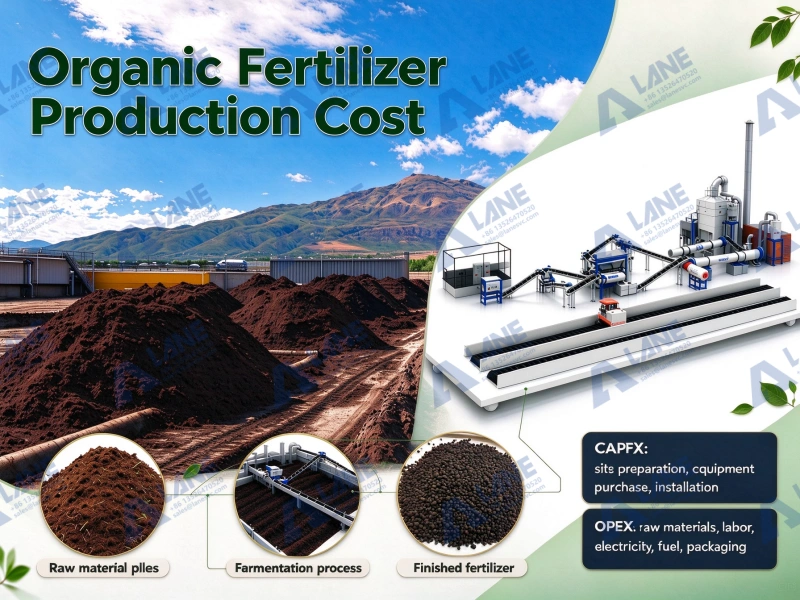
- Cost Efficiency: Producing organic fertilizers from waste materials is cost-effective, saving farmers money on chemical fertilizers.
- Environmental Protection: Reduces carbon footprint and promotes the recycling of organic waste.
- Boosted Crop Yield and Quality: Organic fertilizers improve soil health, leading to healthier crops and higher yields.
Influence on Contemporary Agriculture
The adoption of Fertilizer Making Machine Organic has a profound impact on modern agriculture. These machines have revolutionized waste management and fertilizer production, contributing to more sustainable and eco-friendly farming practices. The use of organic fertilizers produced by these machines improves soil health, enhances crop productivity, and reduces the environmental impact of agricultural activities.
Real-World Example: Successful Application
A successful implementation case is a large organic farm in California. The farm faced challenges in managing animal manure and agricultural residues. By investing in an organic fertilizer making machine, the farm converted waste into valuable organic fertilizer, improving soil health and crop yield. The farm reported a 35% increase in crop productivity and a significant reduction in chemical fertilizer use.
Cutting-Edge Developments and Future Directions
The future of Fertilizer Making Machine Organic looks promising with ongoing innovations and technological advancements. Research and development efforts focus on improving the efficiency and effectiveness of these machines. Innovations such as automated control systems, advanced composting technologies, and improved granulation processes are expected to enhance the performance of these machines further.
The integration of IoT (Internet of Things) and AI (Artificial Intelligence) technologies is set to revolutionize the operation of Fertilizer Making Machine Organic. IoT-enabled sensors can monitor various parameters in real-time, providing valuable data for optimizing the composting process. AI algorithms can analyze this data to predict maintenance needs, prevent breakdowns, and improve overall efficiency.
Embracing Sustainable Materials and Design
The future of Fertilizer Making Machine Organic also includes the use of sustainable materials and eco-friendly designs. Manufacturers are exploring the use of biodegradable and recyclable materials for components, reducing the environmental impact of production equipment. Furthermore, energy-efficient motors and drive systems are being developed to lower the carbon footprint of these machines.
Conclusion
Fertilizer Making Machine Organic are transforming the agricultural landscape by providing a sustainable solution for managing organic waste and producing high-quality fertilizers. These machines play a vital role in promoting sustainable farming practices, improving soil health, and enhancing crop productivity. As technology continues to advance, the future of Fertilizer Making Machine Organic holds great promise, paving the way for more efficient and eco-friendly agricultural practices.