How Does an E-waste Crushing Machine Improve Electronic Waste Recycling?
When we talk with customers about electronic waste recycling, the first question is often about capacity. How many tons per hour can the line process? That is important, of course. But from our experience building and supplying recycling equipment, capacity is only one part of the job.
The condition of the material after crushing matters just as much.
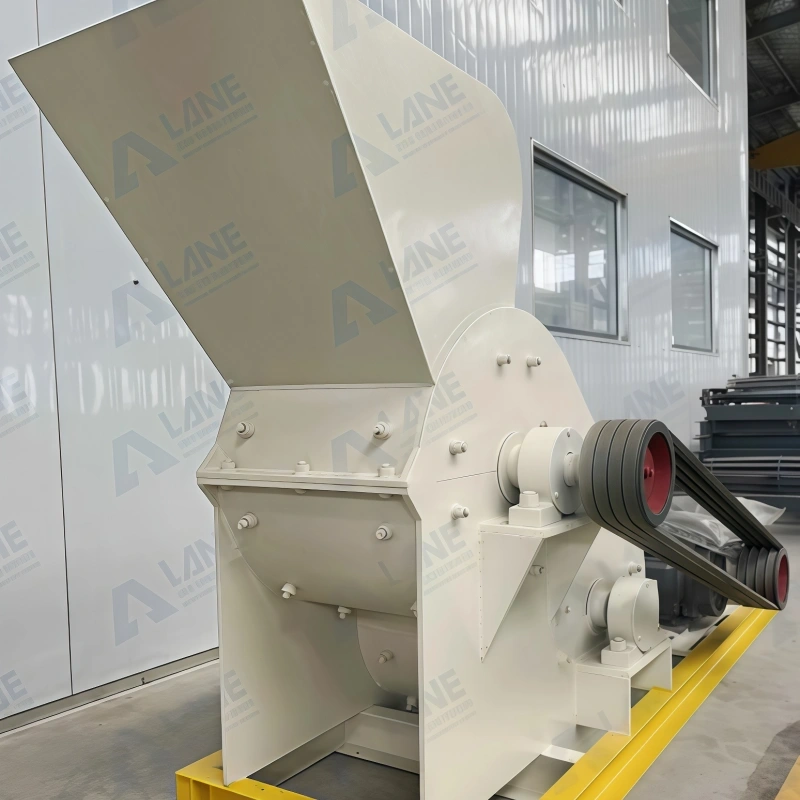
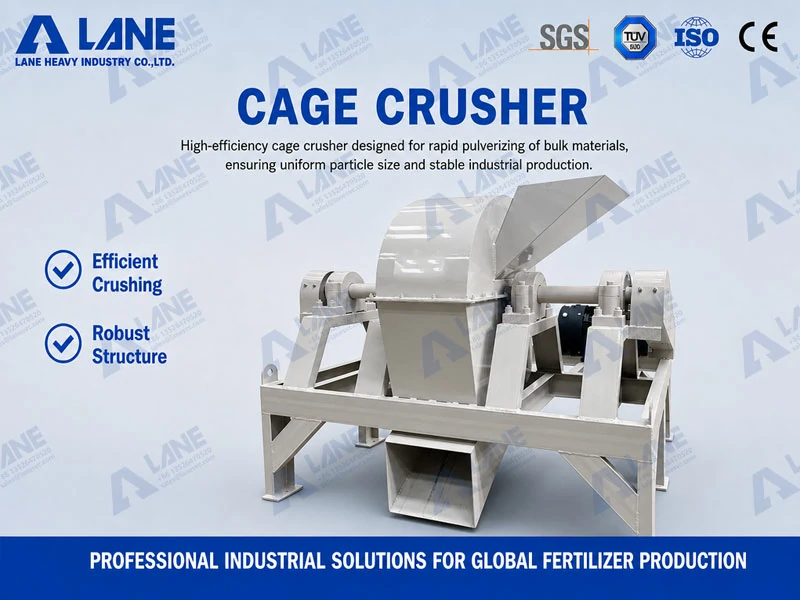
An E-waste Crushing Machine is not simply used to make old electronic products smaller. Its real job is to prepare the material for the next steps, including screening, sorting, separation, and material recovery. If the crushed material is not in a suitable size range, even a good separation system may not work as expected.
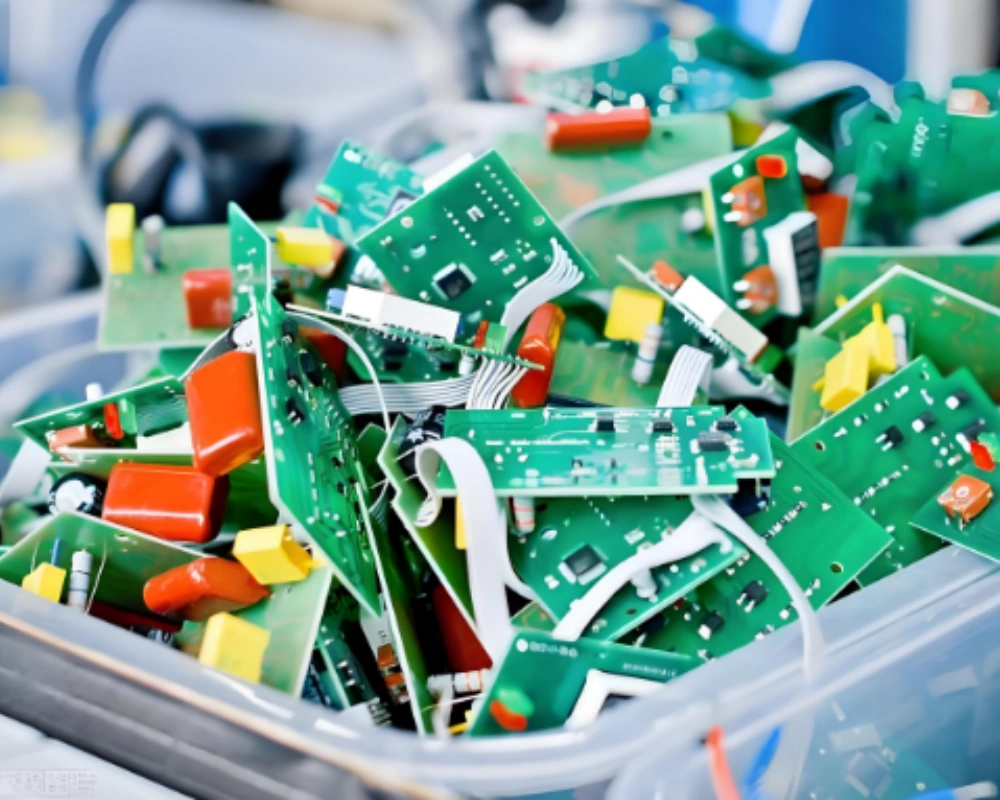
This is particularly important with printed circuit boards, computer parts, cables, electronic components, and mixed WEEE. These materials contain plastics, copper, aluminum, ferrous metals, resin, glass fiber, and other components mixed together. A properly selected E-waste Crushing Machine helps break that complex structure down into a form that downstream equipment can handle.
In a practical recycling plant, we therefore look at crushing as one part of a complete process rather than an isolated operation.
Why Does E-waste Need to Be Crushed Before Recycling?
Electronic waste is not an easy material to process.
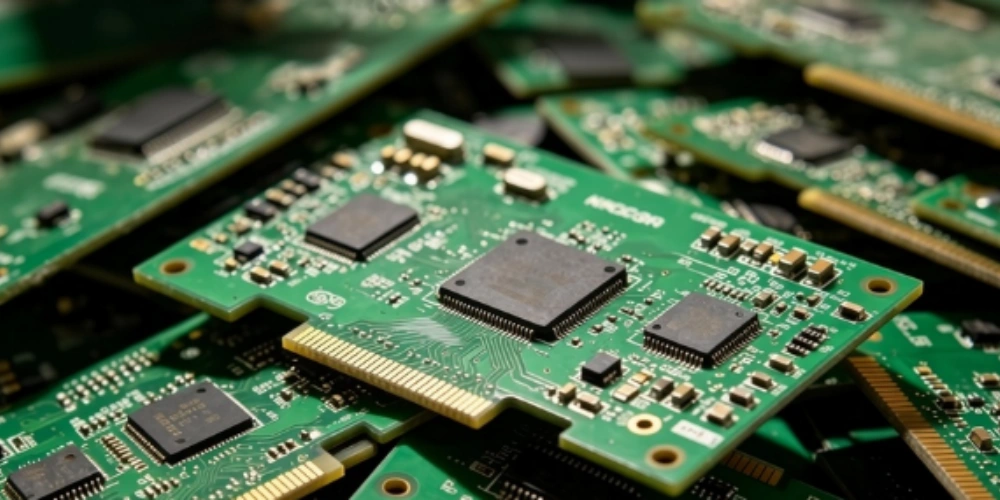
Take a computer motherboard as an example. Copper tracks are laminated into resin and glass fiber. Electronic components are attached to the board. Some parts contain aluminum or other metals. Plastic housings may surround the valuable material.
If the material is only dismantled by hand, a considerable amount of material remains attached to other components.
This is where an E-waste Crushing Machine becomes useful.
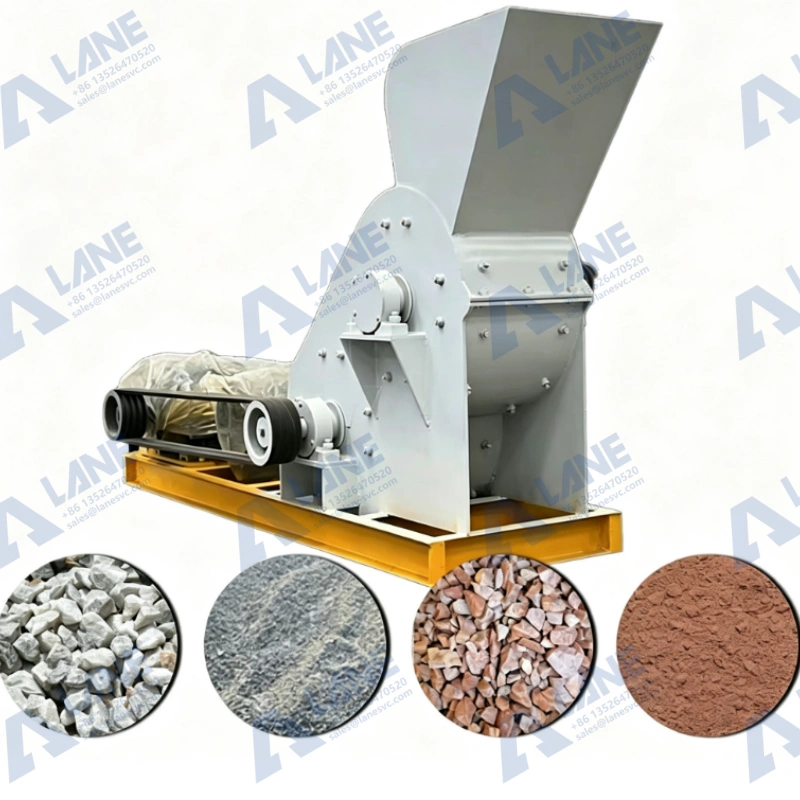
The purpose of an E-waste Crushing Machine is to reduce the size of the material and help release different components from one another. Once the material has been reduced to a suitable size, screening and separation become much easier.
The basic idea is:
E-waste → Size Reduction → Screening → Separation → Material Recovery
The crushing stage does not create the final recycled product. It prepares the material for the equipment that follows.
We have seen projects where too much attention was given to crushing capacity while the downstream separation process was barely considered. In practice, the whole system needs to work together.
An E-waste Crushing Machine should therefore be selected according to the complete recycling process, not simply according to the amount of waste entering the factory.
What Types of E-waste Can an E-waste Crushing Machine Process?
There is no single type of electronic waste.
A recycling plant may receive computers one day, mixed electronic components the next day, and a combination of cables, boards, appliances, and plastic housings later.
Common materials include:
• Waste computers
• Computer cases
• Motherboards
• Printed circuit boards
• Mobile phone boards
• Televisions
• Printers
• Hard drives
• Electronic components
• Cables and wires
• Small electrical appliances
• Mixed WEEE
Manufacturers of e-waste recycling equipment commonly design systems for materials such as PCBs, computers, printers, cell phones, refrigerators, cables, and hard disks.
However, we would not recommend putting all of these materials through exactly the same crushing setup.
A motherboard is different from a refrigerator.
A cable is different from a PCB.
A plastic electronic housing is different from a metal-rich assembly.
An E-waste Crushing Machine needs to match the actual feedstock.
That is why we normally ask customers to provide material samples or detailed information before discussing the machine configuration.
| Model | Capacity(tph) | Power(kw) | Overall Size(mm) | Number Of Hammers | Hammer Weight(kg) | Weight(t) |
|---|---|---|---|---|---|---|
| LACD-400*400 | 5-10 | 7.5+7.5 | 2200*900*1200 | 24 | 2.5 | 0.6 |
| LACD-600*400 | 10-15 | 18.5+18.5 | 2600*950*1500 | 24 | 3.5 | 1 |
| LACD-600*600 | 15-20 | 22+22 | 2600*1170*1500 | 40 | 3.5 | 1.3 |
| LACD-600*800 | 20-30 | 30+22 | 2800*1350*1700 | 48 | 3.5 | 1.8 |
| LACD-800*600 | 30-40 | 45+37 | 3200*1250*2000 | 40 | 8 | 3 |
| LACD-800*800 | 40-50 | 55+45 | 3200*1400*2000 | 48 | 8 | 3.5 |
| LACD-1000*800 | 50-60 | 55+75 | 3950*1750*2280 | 48 | 10 | 5.5 |
| LACD-1000*1000 | 60-90 | 90+75 | 4000*1900*2400 | 52 | 10 | 7 |
How Does an E-waste Crushing Machine Work?
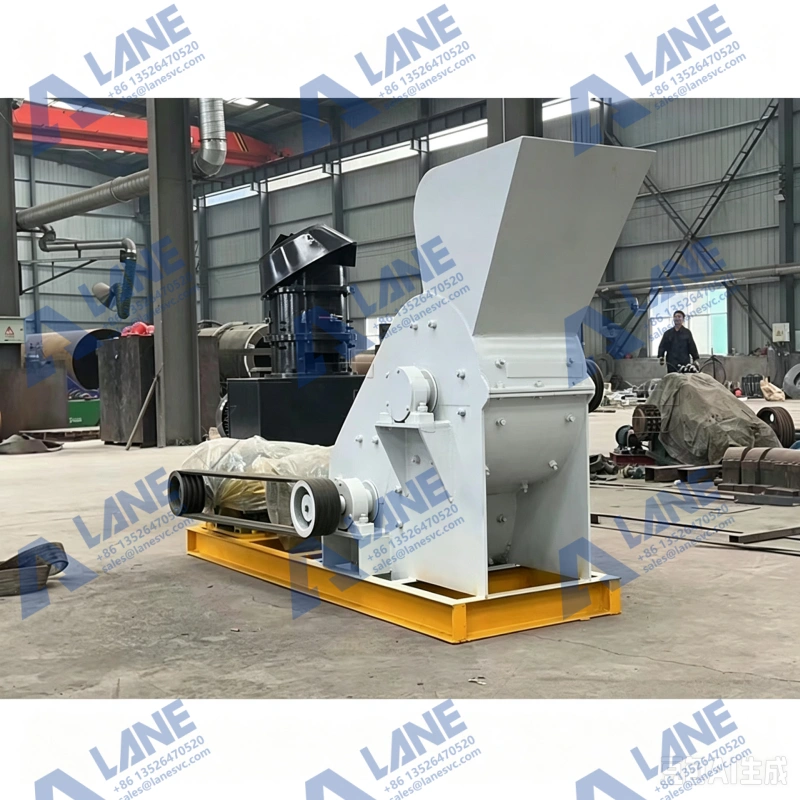
The electronic waste enters the feeding system and moves into the crushing chamber. Depending on the equipment design and material, rotating knives, blades, hammers, or other crushing components reduce the material to the required size.
An E-waste Crushing Machine may be used as a primary size-reduction unit, a secondary crushing unit, or part of a multi-stage recycling system.
For PCB recycling, for example, some plants use several stages of size reduction. One system may first use a shredder, followed by a hammer crusher and then a grinding machine before separation.
The reason for using several stages is simple.
You do not always want to take a large piece of electronic waste and immediately grind everything into extremely fine powder.
That can consume more energy, increase dust generation, and make material handling more difficult.
A better approach is often to reduce the material gradually.
> Feeding the Material
Stable feeding is important.
If too much material enters the E-waste Crushing Machine at once, the motor load can increase and the crushing chamber may become overloaded.
If the feed rate is too low, the machine may not reach the expected throughput.
For continuous recycling plants, we usually pay attention to the relationship between the conveyor, feeding hopper, crusher, screen, and downstream equipment.
The crusher should not become a bottleneck in the line.
> Controlling the Output Size
The target particle size is one of the most important design parameters.
An E-waste Crushing Machine does not necessarily need to produce the smallest possible particles.
What we actually want is a useful particle size for the next separation stage.
For example, a PCB recycling line may use crushing and grinding stages to produce particles suitable for air separation or electrostatic separation. Different recycling systems use different particle-size targets depending on their process design.
So when a customer tells us, “I want very fine material,” our next question is usually:
How fine, and why?
That answer determines the machine configuration.
What Happens After E-waste Is Crushed?
This is where the value of an E-waste Crushing Machine becomes much clearer.
Crushing is normally followed by another operation.
A typical electronic waste recycling process may include:
Dismantling → Crushing → Screening → Magnetic Separation → Eddy Current Separation → Air Separation → Material Collection
The exact arrangement changes according to the waste stream.
Some PCB recycling lines use crushing, grinding, vibration screening, gravity separation, electrostatic separation, and dust collection.
Other electronic scrap plants use magnetic separators to remove iron and eddy-current separators to recover non-ferrous materials such as aluminum and copper.
This is why we always say that an E-waste Crushing Machine should be designed with the downstream equipment in mind.
> Screening the Crushed Material
After crushing, the material may contain different particle sizes.
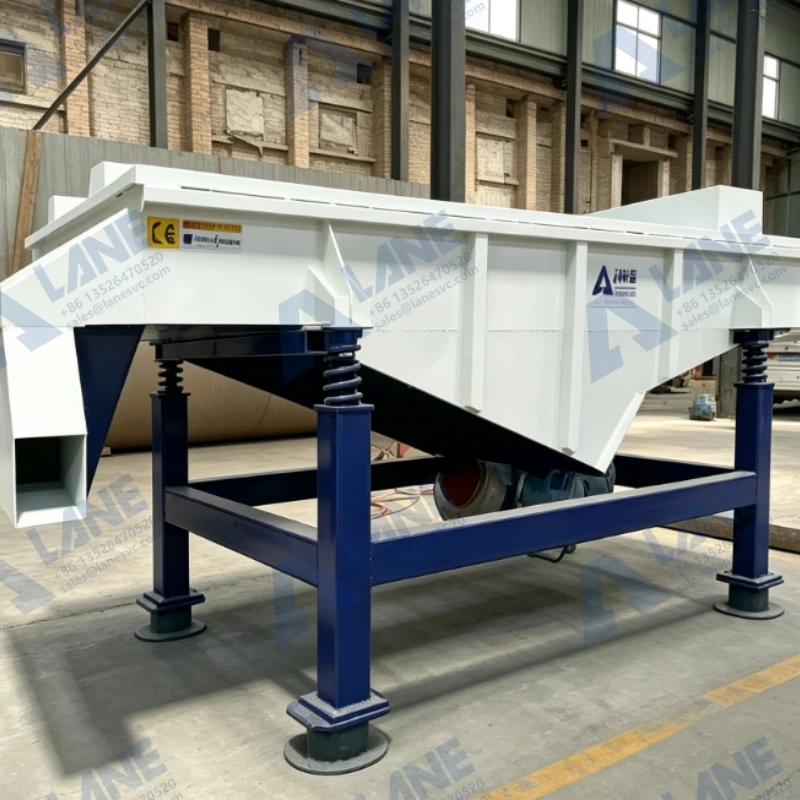
A vibrating screen or another screening system can separate these fractions.
Oversized material may return for additional crushing, while suitable material continues toward separation.
This creates a more stable feed for the next machine.
> Separating Ferrous Metals
Magnetic separation is commonly used to remove ferrous metals from mixed waste.
The material passes through or beneath a magnetic field, allowing magnetic components to be separated from non-magnetic fractions.
> Recovering Non-ferrous Metals
For non-ferrous metals such as aluminum and copper, an eddy current separator or another separation technology may be used depending on the material and particle size.
The important point is that the E-waste Crushing Machine prepares the material so these separation technologies have a better chance of working effectively.
How Does an E-waste Crushing Machine Support Metal Recovery?
Metal recovery is one of the major reasons companies invest in electronic waste recycling.
Electronic waste can contain valuable metals, but those metals are often locked inside complicated assemblies.
PCB material is a good example.
Research on waste printed circuit boards describes their complex composition, including resin, glass fiber, metal foil, and electronic components.
The E-waste Crushing Machine helps break this structure down.
The goal is not simply to destroy the board.
The goal is to create enough liberation for copper, aluminum, ferrous metals, plastics, and other fractions to be separated more effectively.
This is why crushing and separation are closely connected.
A poorly designed crushing process can leave valuable metal locked inside larger pieces. Excessive crushing can create too many fines and increase dust or material loss.
There is a balance.
An experienced equipment manufacturer should therefore consider particle size, material liberation, separation efficiency, throughput, and energy consumption together.
Why Is Particle Size Important in E-waste Crushing?
Particle size has a direct effect on the recycling process.
If the crushed material is too large, metal and plastic may remain attached.
If it is too fine, the plant may experience higher dust loads and increased energy consumption.
An E-waste Crushing Machine should therefore produce a particle size that matches the next processing stage.
For example, one PCB recycling system may use a crusher to bring the material to around 13 mm before further grinding and separation.
That does not mean 13 mm is the correct size for every PCB recycling plant.
The right size depends on:
• Material composition
• Feed size
• Target recovery rate
• Separation technology
• Screen opening
• Downstream grinding requirements
• Required final product
When selecting an E-waste Crushing Machine, we would rather have a clear target particle size than a general request for “fine crushing.”
How Can an E-waste Crushing Machine Control Dust?
Dust is a practical issue that should not be treated as an afterthought.
When dry electronic components, PCB material, plastics, and other fractions are mechanically crushed, fine particles can be produced.
A properly designed E-waste Crushing Machine may therefore work together with a dust collection system.
Some commercial e-waste crusher systems use cyclone dust collection, while complete PCB recycling plants may include pulse dust collectors and other dust-control equipment.
The purpose is not simply to make the workshop look cleaner.
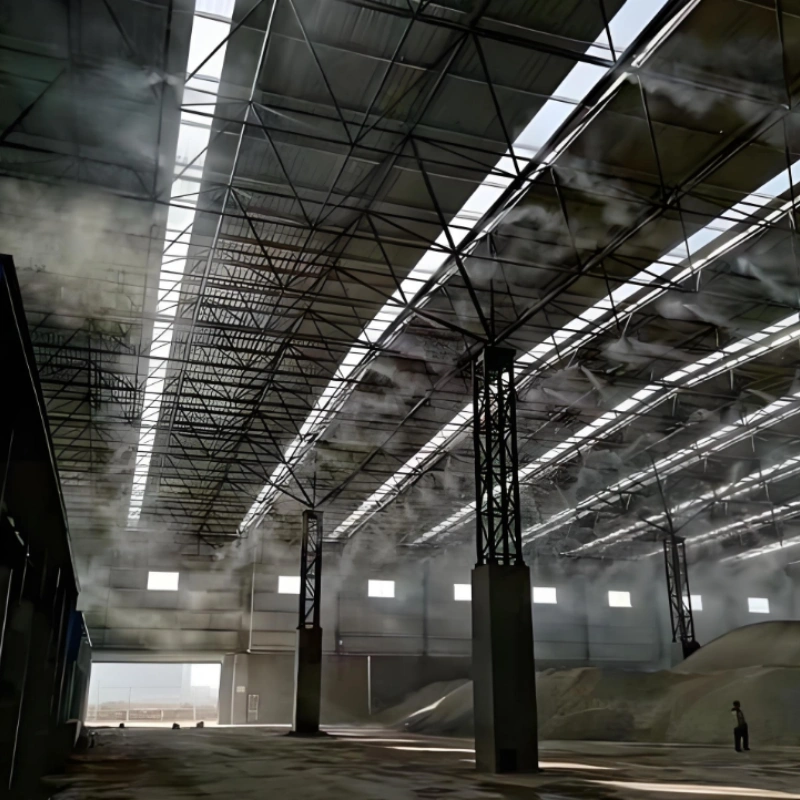
Dust control can help protect equipment, improve working conditions, reduce material loss, and keep the recycling process more stable.
We normally consider the crusher, transfer points, screen, separator, ducting, and dust collector as one system.
If dust is generated at the crushing chamber but the transfer points are left open, the problem has simply moved to another part of the plant.
What Affects E-waste Crushing Efficiency?
There are several factors that influence the performance of an E-waste Crushing Machine.
The first is the material itself.
A machine processing mostly plastic housings will have a different workload from a machine processing PCB-rich material with a high metal content.
Feed size also matters.
If the incoming material is already dismantled and reduced in size, the crushing stage can work differently from a system receiving larger assemblies.
Other important factors include:
• Feed rate
• Material hardness
• Metal content
• Plastic content
• Moisture
• Required output size
• Rotor or blade speed
• Screen configuration
• Motor power
• Wear condition
One thing we always tell customers is that nominal motor power does not tell the whole story.
A bigger motor does not automatically mean better crushing.
The machine needs to match the material and the required throughput.
How Much E-waste Can an E-waste Crushing Machine Process?
Capacity is usually one of the first questions customers ask.
That makes sense. A recycling plant needs to know whether the machine can keep up with the incoming waste.
But capacity should be discussed together with the material and output size.
Published equipment examples show that e-waste recycling systems can range from several hundred kilograms per hour to around 1,000 kg/h and beyond, depending on the configuration.
For an E-waste Crushing Machine, actual throughput can be affected by:
• Feed material
• Feed size
• Desired output size
• Metal content
• Crushing stages
• Feeding method
• Continuous operating conditions
A machine processing relatively uniform PCB material may achieve a different throughput from one handling mixed electronic waste.
So when we calculate capacity, we prefer to work from real material information instead of giving a number based only on the machine name.
How Does an E-waste Crushing Machine Fit Into a Recycling Line?
A complete recycling line normally includes much more than an E-waste Crushing Machine.
Depending on the material, the line may contain:
• Feeding conveyor
• Dismantling equipment
• Shredder
• Crushing machine
• Grinding mill
• Vibrating screen
• Magnetic separator
• Eddy current separator
• Airflow separator
• Electrostatic separator
• Dust collector
• Collection system
For example, a PCB recycling system may use multiple crushing stages followed by screening and air or electrostatic separation.
Other electronic scrap plants may use a pre-crusher, post-shredder, granulator, magnetic separation, and eddy-current separation.
This gives us a good example of why an E-waste Crushing Machine should not be selected separately from the rest of the plant.
If the screen needs a certain feed size, the crusher needs to produce it.
If the separator needs a relatively consistent particle distribution, the crushing stage should support that requirement.
If the dust collector has a limited air-handling capacity, the crushing system needs to be designed accordingly.
The machines have to work together.
What Should You Check Before Buying an E-waste Crushing Machine?
Before selecting an E-waste Crushing Machine, we recommend preparing the basic process information first.
At minimum, provide:
• Type of electronic waste
• Feed size
• Required capacity
• Target output size
• Material composition
• Expected operating hours
• Downstream separation method
• Dust-control requirements
• Available installation space
If the material contains a large amount of metal, that should also be explained.
If the customer mainly processes PCB boards, we need to know that too.
A PCB-focused E-waste Crushing Machine may require a different configuration from a machine designed for mixed electronic scrap.
We also recommend checking what happens after crushing.
There is little value in buying a high-capacity crusher if the screening and separation equipment cannot process the resulting material at the same rate.
The complete line should be balanced.
Common Problems During E-waste Crushing
In actual operation, not every problem comes from the crusher itself.
For example, if the throughput suddenly drops, operators may immediately suspect the crushing chamber.
Sometimes the actual problem is unstable feeding.
In other cases, the material composition has changed.
A batch containing more metal may put a very different load on the E-waste Crushing Machine than a batch containing mostly plastic components.
Common problems include:
• Overloading
• Uneven feeding
• Excessive dust
• Large output particles
• Excessive fine material
• High energy consumption
• Blade or hammer wear
• Poor downstream separation
When troubleshooting an E-waste Crushing Machine, we normally check the material first, then feeding, machine settings, wear parts, and downstream equipment.
This saves time.
There is no reason to change crusher settings repeatedly if the real problem is an overloaded screen after the crusher.
How Can an E-waste Crushing Machine Improve the Overall Recycling Process?
A good E-waste Crushing Machine improves recycling in several connected ways.
• First, it reduces the size of the incoming material.
• Second, it helps release different material fractions.
• Third, it creates a more suitable feed for screening and separation.
• Fourth, it can support better metal recovery when the particle size is properly controlled.
• And finally, it helps the whole recycling line operate continuously.
But we would not judge an E-waste Crushing Machine only by how small it can make the waste.
The better question is:
Does the crushed material make the next process easier?
That is the number we care about most.
A suitable E-waste Crushing Machine should help create the right balance between crushing efficiency and separation efficiency. The machine should not produce unnecessary fines simply to show that it can crush material very finely.
For a recycling plant, the final objective is not small particles.
The objective is useful recovered material.
FAQ About E-waste Crushing Machines
> What Is an E-waste Crushing Machine?
An E-waste Crushing Machine is industrial equipment used to reduce the size of electronic waste and prepare it for further recycling processes such as screening, sorting, separation, and material recovery.
> What Types of Electronic Waste Can Be Crushed?
An E-waste Crushing Machine can be designed for materials such as PCB boards, computer parts, cables, electronic components, hard drives, printers, and other electronic scrap. The machine configuration should be selected according to the actual feedstock.
> What Happens After E-waste Is Crushed?
After an E-waste Crushing Machine, the material may go to screening, magnetic separation, eddy-current separation, air separation, electrostatic separation, or other recovery processes depending on the recycling line.
> Can an E-waste Crushing Machine Recover Copper?
The E-waste Crushing Machine itself does not normally perform the final copper separation. Its job is to reduce and liberate the material so that downstream separation equipment can recover copper and other valuable fractions more effectively.
> How Do You Control Dust During E-waste Crushing?
An E-waste Crushing Machine can be integrated with dust extraction equipment such as cyclones, pulse dust collectors, ducting, and other air-handling systems. The appropriate setup depends on the material and plant design.
> What Output Size Should an E-waste Crushing Machine Produce?
There is no universal output size. The target should be based on the following screening and separation process. In some PCB recycling systems, multiple stages are used to gradually reduce material size before fine separation.
>How Do I Choose an E-waste Crushing Machine?
Start with the material, capacity, feed size, target output size, and downstream recycling process. Once these parameters are clear, an E-waste Crushing Machine can be selected and configured around the actual project requirements.
Building the Crushing Stage Around the Recycling Goal
After working with recycling equipment for years, we have found that the machine is rarely the only thing that determines whether a project runs well.
The material decides a lot.
If the feed is mixed, the crushing strategy needs to account for that. If the material is PCB-rich, liberation becomes more important. If the plant is focused on copper recovery, the crushing and separation stages need to work toward that target.
That is how our LANE approaches an E-waste Crushing Machine project.
We start with the waste.
Then we look at the required particle size.
Then we look at capacity and downstream separation.
Only after those points are clear do we decide how the E-waste Crushing Machine should be configured.
In a complete electronic waste recycling line, crushing is only one stage. But it is an important one. When the crushing stage is properly matched to screening, sorting, dust collection, and metal recovery, the whole system becomes easier to operate and much more predictable.
That is ultimately what we want from an E-waste Crushing Machine: not simply smaller electronic waste, but a better-prepared material stream for the recycling process that follows.