How to Store a Conveyor Belt Properly for Long-Term Use
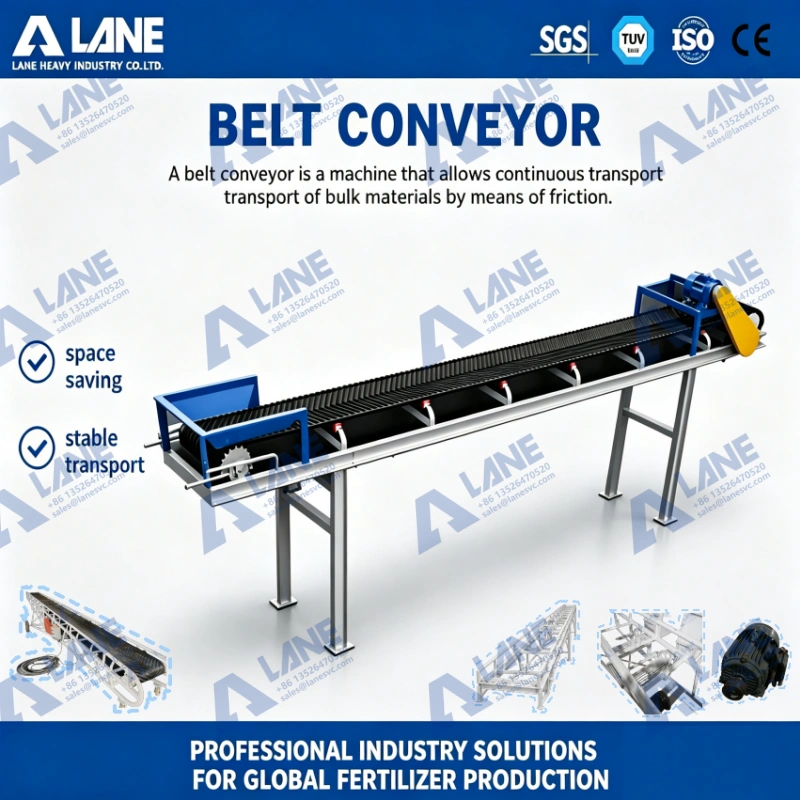
When we deliver a conveyor belt to a fertilizer plant, the belt is not always installed immediately. Sometimes the conveyor frame is still being fabricated. Sometimes the complete fertilizer production line is waiting for other equipment. In some projects, a spare belt may stay in the warehouse for a year or longer before the maintenance team needs it.
This is where knowing how to store a conveyor belt properly becomes important.
A new belt does not mean a belt is protected from aging. We have seen belts that were never used but still developed hard surfaces, damaged edges, or deformation because they were stored in the wrong place. The problem usually does not appear when the belt is delivered. It appears several months later, when the installation team starts to unwind the roll.
From a manufacturer’s point of view, learning how to store a conveyor belt properly is quite simple. The belt needs a dry and suitable place, proper support, protection from sunlight and heat, and enough attention during long-term storage. You do not need a complicated storage system. You do need to avoid a few mistakes that can be expensive to correct later.
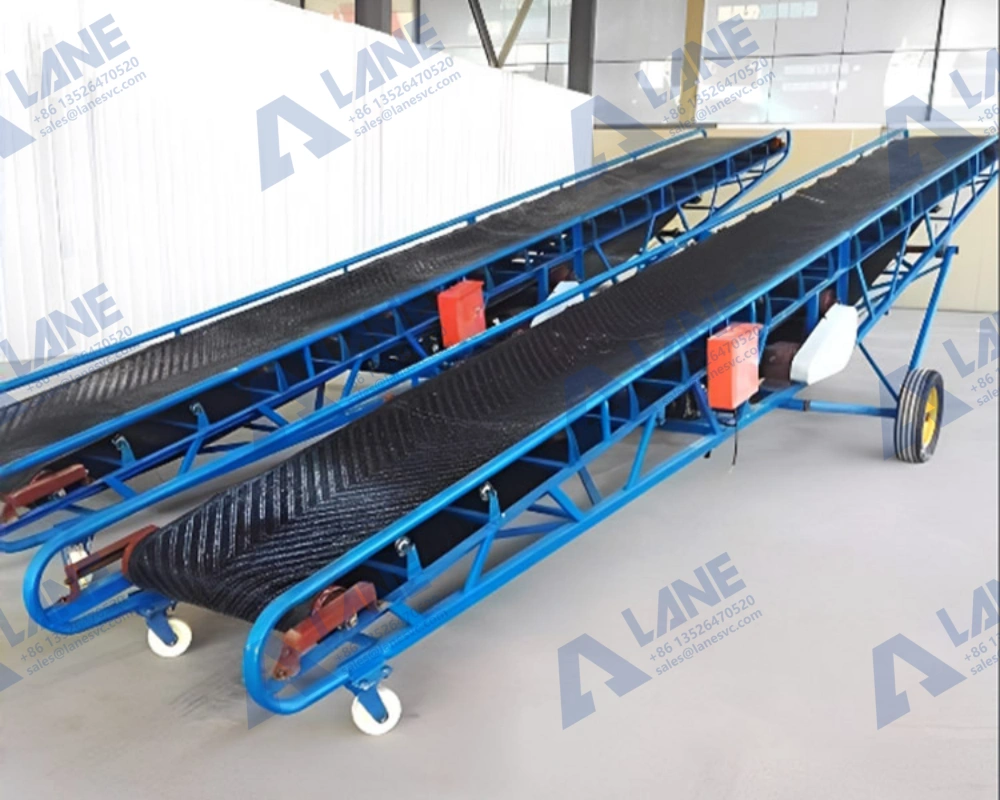
Why Is It Important to Store a Conveyor Belt Properly Before Installation?
Most industrial belts contain rubber covers and a reinforcing layer made from fabric or steel cord. These materials are selected according to the conveying material and working environment. A belt used for fertilizer, limestone, phosphate rock, coal, or other bulk materials may have very different specifications, but all of them still need suitable storage conditions.
The problem with poor conveyor belt storage is that the belt may continue to look acceptable from a distance.
You may not see a problem until the belt is unwound.
• If you store a conveyor belt properly, the risk of premature deterioration can be reduced significantly. A belt stored under direct sunlight can age faster.
• A belt sitting on a wet floor can be exposed to moisture for a long period. A large roll supported incorrectly can develop a flat spot or deformation.
• A belt stored near welding or electrical equipment can also be exposed to ozone.
For us, the purpose of learning to store a conveyor belt properly is not simply to keep the belt somewhere until the project is ready. The purpose is to make sure the belt is still in good condition when the conveyor finally starts running.
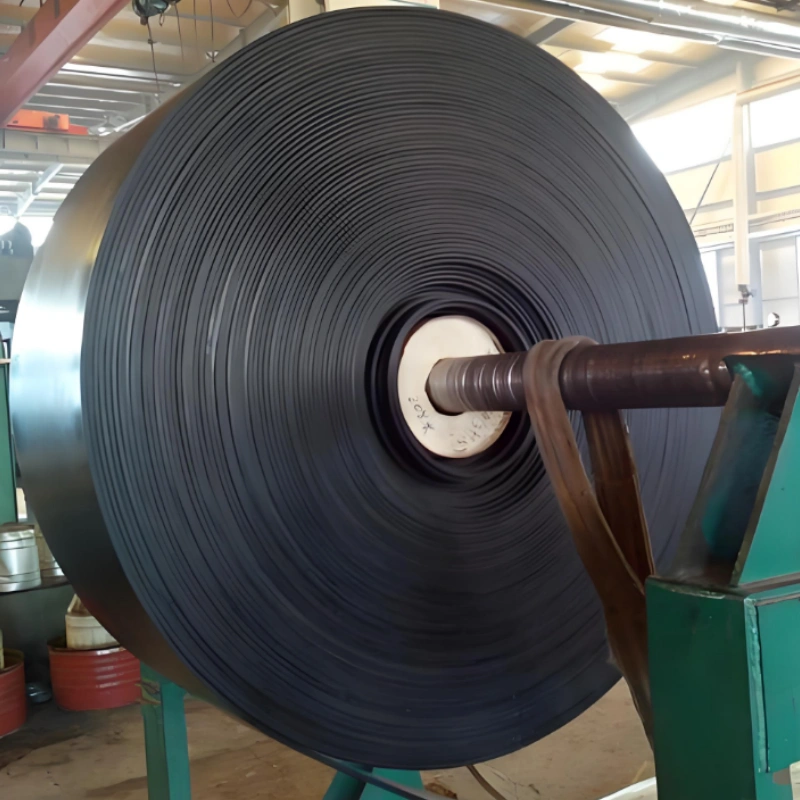
Where Should You Store a Conveyor Belt Properly?
If we have a choice, we always prefer an indoor storage area.
The ideal location is clean, dry, reasonably cool, and protected from direct sunlight. It should also be away from equipment or materials that may damage rubber.
This sounds obvious, but project warehouses are often busy places. A belt roll may arrive months before installation, and the available space may change several times during construction. That is when storage problems start.
When deciding where to store a conveyor belt properly, we normally consider four things first: moisture, sunlight, heat, and contamination.
> Keep the Belt Away From Rain and Ground Moisture
Outdoor storage is not our first choice.
Rainwater is an obvious problem, but ground moisture is easier to overlook. A concrete floor may look completely dry while moisture is still present around the bottom of a heavy roll.
To store a conveyor belt properly for a long period, we recommend keeping the belt off the ground and using a dry, stable support.
Do not allow the roll to sit in standing water or directly on wet soil.
If outdoor storage is unavoidable, the belt needs proper weather protection. However, simply wrapping the roll tightly is not always the answer. A cover should protect the belt without creating a place where condensation and moisture remain trapped.

> Keep Direct Sunlight Away From the Belt
Rubber does not benefit from continuous exposure to sunlight.
If you walk around a plant, you can often see the difference between rubber components kept indoors and rubber components left outside for long periods. The exposed surface may become harder or show signs of aging.
This is one reason that to store a conveyor belt properly, the belt should normally be kept indoors.
A dark protective cover can be useful for extended storage, but the storage arrangement should still allow the belt to remain dry. Industry guidance also recommends protecting stored belt rolls from sunlight, rain, and ozone.
> Stay Away From Heat and Ozone Sources
Do not put a belt roll beside a boiler, heater, hot pipe, welding station, or other strong heat source just because there is an empty space there.
The same applies to areas with significant ozone exposure.
In a fertilizer equipment workshop, welding work can continue for weeks or months while other equipment is being fabricated. If a spare belt is stored right beside that work area, it is not getting the kind of protection we want.
A better approach to store a conveyor belt properly is to separate belt storage from fabrication and maintenance activities.

How Should You Store a Conveyor Belt Properly on Its Roll?
A conveyor belt roll is heavy, and the belt may stay in the same position for a long time. The way the roll is supported can affect its condition.
For normal industrial rubber belting, manufacturer guidance commonly recommends keeping the roll upright in its factory package and supporting it correctly rather than laying it flat on its side. Some guidance also recommends rotating an unsupported roll periodically to reduce flat spotting.
Therefore, when we store a conveyor belt properly, roll position is treated as part of the storage arrangement rather than an afterthought.
> Do Not Simply Lay a Heavy Roll Flat on the Floor
We would not recommend putting a large belt roll flat on the ground and forgetting about it.
The weight is concentrated in a relatively small area. With a large roll, this can create continuous pressure on the belt.
For some heavy rolls, prolonged pressure can result in flat spotting or other deformation. This is especially worth considering when the belt will remain in storage for many months.
If you need to store a conveyor belt properly, the roll should be positioned according to the manufacturer’s handling instructions rather than simply placed wherever there is free floor space.
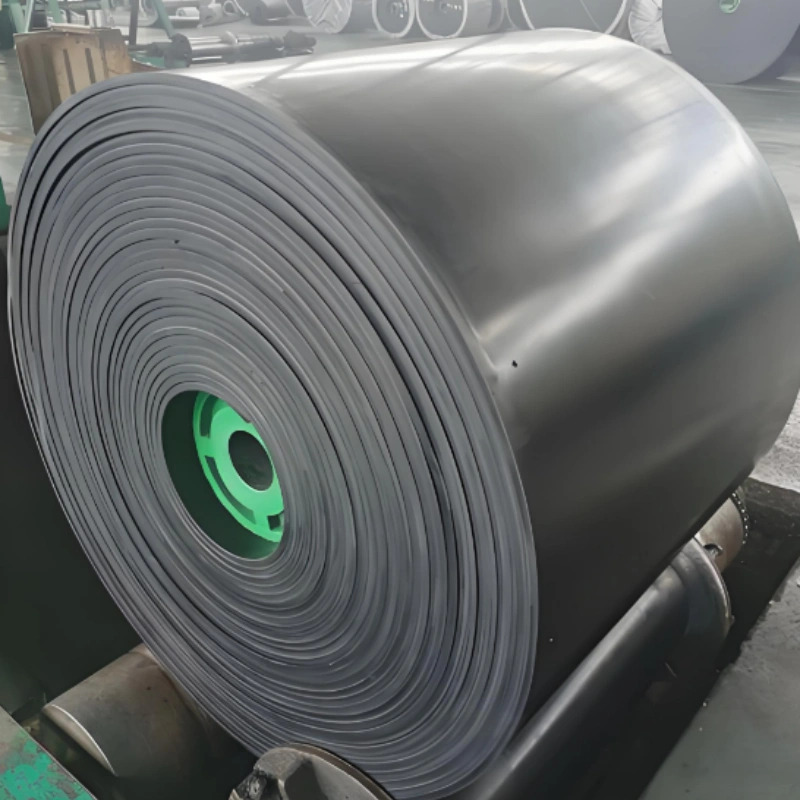
> Use a Stable Support
The support should be strong enough for the complete roll.
It should also keep the roll stable. A belt roll should not be allowed to move freely around a warehouse.
For large fertilizer projects, we normally want the storage area planned before the belt arrives. Moving a heavy roll several times because the original storage location was unsuitable creates unnecessary handling risks.
This is an important part of how we store a conveyor belt properly on larger projects.
> Follow the Manufacturer’s Recommended Roll Position
Steel cord belts, fabric belts, special-purpose belts, and belts with different constructions may have specific handling and storage requirements.
So our first recommendation is always to follow the belt manufacturer’s instructions. Do not assume that one storage method is suitable for every belt simply because it worked on another project.
The manufacturer’s recommendation should always be the starting point when deciding how to store a conveyor belt properly.
What Can Happen If You Do Not Store a Conveyor Belt Properly?
This is the part customers usually care about most.
They often ask us, “The belt has never been used. Why would there be a problem?”
The answer is that rubber can age even when the conveyor is not running.
The speed of aging depends on the material and the environment. Heat, sunlight, ozone, moisture, and chemical exposure can all affect the condition of rubber products. Even the outer wrap of a stored roll may show more aging than the material deeper inside the roll.
That is why if you store a conveyor belt properly for an extended period, inspection should still be part of the storage process rather than leaving the roll untouched until installation day.
> Surface Hardening or Cracking
The outer surface is the first area we normally look at.
If a roll has been exposed to unsuitable conditions, the rubber surface may become harder or develop visible cracks.
This does not automatically mean the entire belt is unusable. But it does mean the belt needs closer inspection before installation.
Properly knowing how to store a conveyor belt properly can reduce the likelihood of these problems, but inspection is still necessary.
> Edge Damage
Do not inspect only the middle of the belt.
The edges are exposed and can be damaged during handling or poor storage. Cuts, deformation, contamination, or deterioration at the edges can later contribute to tracking problems.
When our technicians inspect a stored belt, the edges are part of the normal inspection.
Good practices used to store a conveyor belt properly should therefore protect the complete roll, not only its main rubber surface.
> Flat Spotting and Deformation
A heavy roll sitting under continuous pressure may develop a flat area.
This is one reason correct support matters during conveyor belt storage. Manufacturer guidance specifically warns that pressure on a large roll can cause flat spotting and that incorrect storage on one edge can contribute to camber or bowing.
If the belt has developed significant deformation, do not simply install it and hope the conveyor will correct the problem.
Check it first.
In other words, to store a conveyor belt properly, you need to think about both the storage environment and the mechanical condition of the roll.
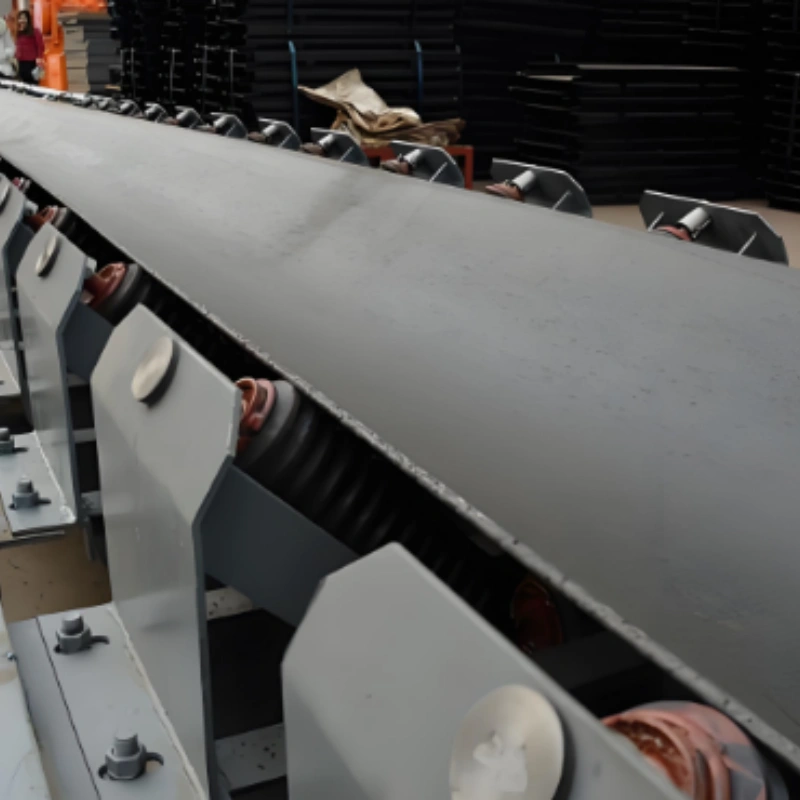
Does the Storage Time Change How You Should Store a Conveyor Belt Properly?
A belt that will be installed next week does not need the same attention as a belt that will remain in a warehouse for twelve months.
As storage time increases, we pay more attention to the environment, roll support, packaging, and inspection records.
There is also an important difference between storage time and shelf life.
Do not take a general number from the internet and assume that every conveyor belt can be stored for exactly that period. Different belts use different materials and constructions, and the actual storage environment matters.
For example, rubber products in general can have very different storage limits depending on their compound and temperature. Continental’s guidance for rubber compounds also emphasizes that storage temperature and protection from direct light affect shelf life.
For a conveyor belt, the manufacturer’s own storage recommendation should always take priority. This is especially important when deciding how to store a conveyor belt properly for one year or longer.
If a customer calls us and says, “This belt has been stored for two years,” our next questions are usually: Where was it stored? Was it covered? Was it exposed to sunlight? Was it kept dry? How was the roll supported? Was it moved during storage?
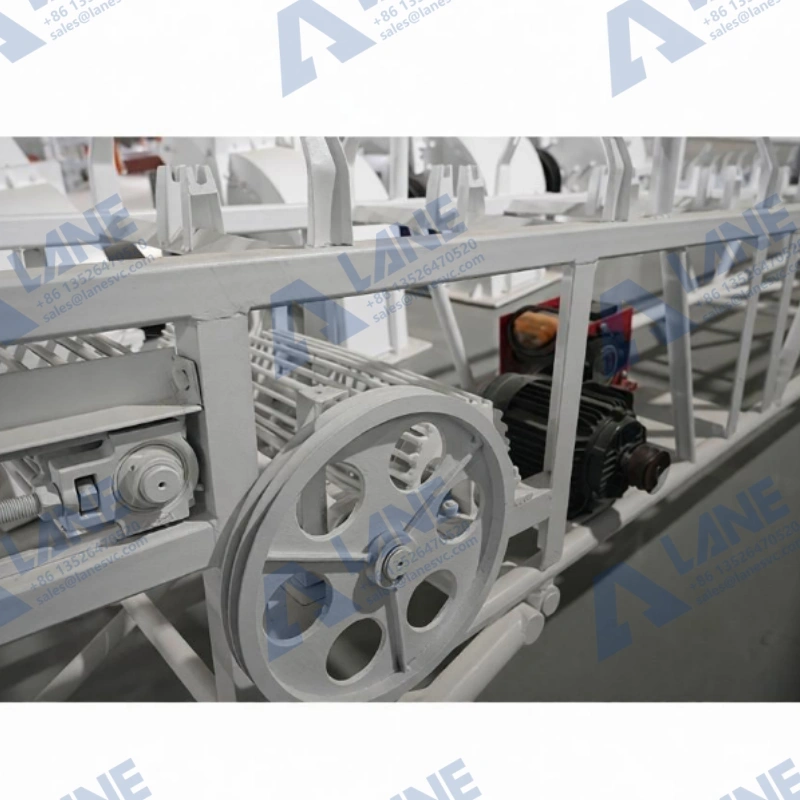
How Do We Inspect a Conveyor Belt That Has Been Stored?
Before installation, we do not treat a stored belt as if it has just left the factory.
The inspection does not need to be complicated, but it should be systematic.
First, look at the overall roll. Does it still have a normal shape? Has it moved or collapsed? Is the packaging damaged?
Then inspect the accessible belt surface.
We look for cracking, hardening, cuts, contamination, discoloration, and other unusual conditions.
The edges are checked as well.
If the belt has a prepared splice or splice-related area, that area deserves attention too. The condition of splice materials is particularly important, and manufacturers provide separate storage requirements for rubber and other splice materials.
Finally, we compare the belt identification with the project specification.
Check the belt width, length, construction, cover grade, and other required parameters.
These checks are especially useful when the team needs to confirm that they stored a conveyor belt properly before installation.
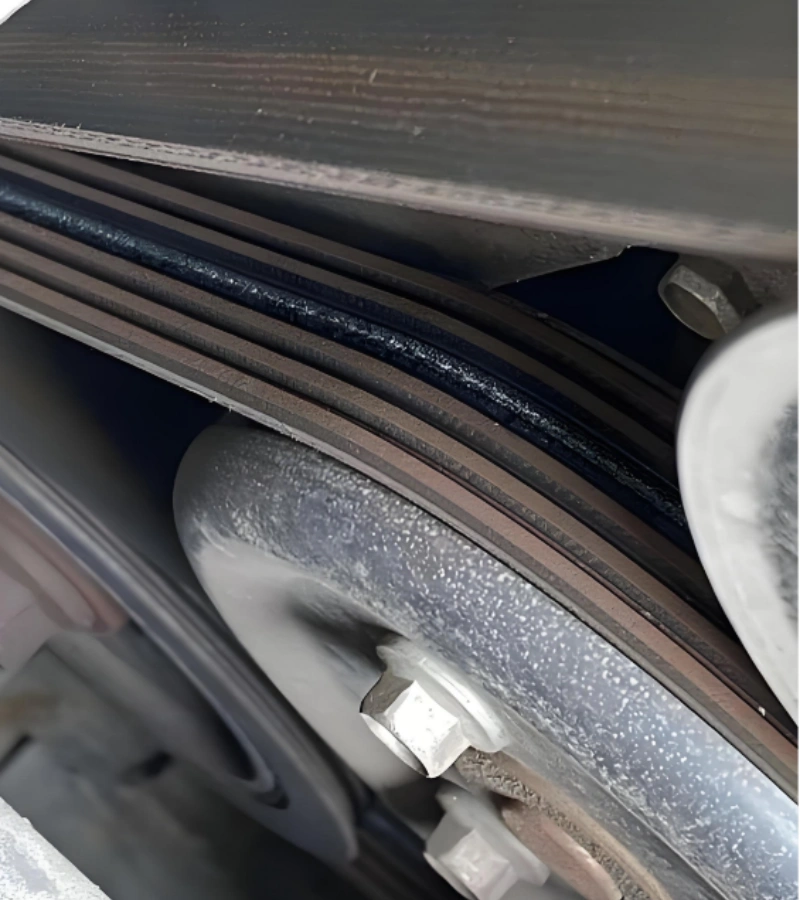
What Should Be Done Before Installing a Stored Conveyor Belt?
The installation team should know how the belt was stored before they start pulling it onto the conveyor.
This sounds like a small point, but it can save a lot of time.
Before installation, we normally want to know:
- How long has the belt been stored?
- Where was it stored?
- Was it indoors or outdoors?
- Was it exposed to sunlight?
- Was it protected from moisture?
- Was the roll supported correctly?
- Does the belt show any deformation?
- Are the edges still in good condition?
- Is the belt specification correct for the conveyor?
If the belt has been stored correctly and passes inspection, installation can proceed according to the project requirements.
If there is visible damage, stop and investigate it first.
A belt problem discovered before installation is much easier to deal with than a belt problem discovered after the conveyor has been commissioned.
For this reason, we recommend documenting the basic conditions used to store a conveyor belt properly, particularly for critical spare belts.
What Mistakes Do We See Most Often When People Store a Conveyor Belt?
After working with conveying equipment, we find that storage mistakes are usually not complicated.
They are mostly simple things that were ignored because everyone was busy with the main project.
One common mistake is putting the belt outside because the warehouse is full.
Another is placing the roll directly on the floor.
Another is storing it next to welding work because there is “only one free space” there.
We also see belt rolls moved several times with unsuitable lifting equipment. A belt roll should never simply be dropped from a truck or handling equipment. Proper lifting methods and equipment are important because the roll itself can be damaged during handling.
The other mistake is forgetting the belt completely.
For a belt that will stay in storage for months, someone should know where it is, when it arrived, and what condition it is in.
That is enough. It does not need to become a complicated maintenance program.
In our experience, the easiest way to store a conveyor belt properly is to establish the storage location and handling method before the belt arrives.
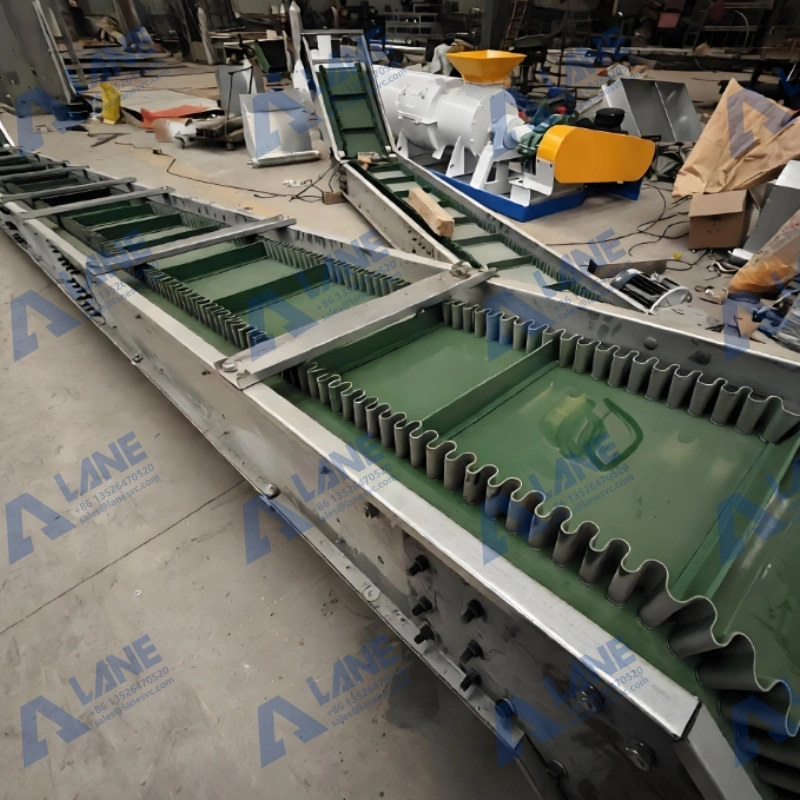
What Is Different About Conveyor Belt Storage in a Fertilizer Plant?
Fertilizer plants have their own working conditions.
A production line may contain raw material handling conveyors, crushers, screens, granulators, mixers, dryers, coolers, elevators, and packing equipment. Dust and bulk material are part of normal operation.
A spare belt may also be stored close to the production area because the maintenance team wants it available during an emergency shutdown.
That makes location important.
We prefer to keep spare belts in a dedicated, clean storage area instead of leaving them beside a running conveyor where fertilizer dust, moisture, oil, and maintenance activities can affect them.
For a critical conveyor, knowing how to store a conveyor belt properly is part of the plant’s maintenance strategy.
If the main belt fails during production, the spare belt should be ready to install. There is little value in keeping a spare belt for an emergency if the belt itself has been damaged while sitting in the warehouse.
This is why we consider conveyor belt storage part of equipment maintenance, not simply warehouse management.
FAQ About How to Store a Conveyor Belt Properly
Can I Store a Conveyor Belt Outside?
We prefer indoor storage whenever possible. Outdoor storage exposes the belt to sunlight, rain, temperature changes, and contamination. If outdoor storage is unavoidable, protect the roll properly and follow the belt manufacturer’s specific instructions for how to store a conveyor belt properly under those conditions.
Should a Conveyor Belt Roll Be Stored Flat?
For many conventional rubber conveyor belts, the manufacturer’s guidance recommends storing the roll upright rather than laying it flat on its side. However, always check the instructions for the specific belt you purchased before deciding how to store a conveyor belt properly.
Can I Use a Conveyor Belt After Several Months of Storage?
Usually, storage time alone is not enough to decide whether a belt can be used. Check its storage conditions and inspect the surface, edges, roll condition, and other relevant areas before installation. A belt that was stored properly still needs a pre-installation inspection.
What If the Belt Has a Flat Spot?
Do not immediately install it and assume that running will solve the problem. First determine how severe the deformation is and consult the belt manufacturer or supplier if necessary. Correct roll support is an important part of learning how to store a conveyor belt properly.
Does Humidity Affect Conveyor Belt Storage?
Yes. Moisture is one of the reasons we recommend a dry storage area and keeping the roll away from wet floors and standing water. The actual effect depends on the belt construction and the duration of exposure.
How Should a Spare Belt Be Stored in a Fertilizer Plant?
Keep it in a clean, dry, protected area away from direct sunlight, excessive heat, welding activities, oil, and chemicals. Keep the roll properly supported and clearly identify it so the maintenance team can find and inspect it when needed. These basic measures make it much easier to store a conveyor belt properly as a long-term spare.
Final Advice About Store Conveyor Belt
When a conveyor belt is sitting in the warehouse, it is easy to forget about it.
The project team is usually focused on the bigger things: conveyor structures, drives, reducers, pulleys, idlers, electrical work, fertilizer processing equipment, commissioning, and production schedules.
But the belt is still waiting there.
If you store a conveyor belt properly, there may be nothing to worry about when installation starts months later. If it is stored poorly, the installation team may discover cracking, deformation, damaged edges, or other problems at exactly the wrong time.
LANE approach to how to store a conveyor belt properly is therefore straightforward.
Give the belt a dry and suitable place. Keep it away from sunlight, unnecessary heat, ozone, chemicals, and moisture. Support the roll correctly. Handle it carefully. If the storage period becomes long, inspect it from time to time. Before installation, check the belt again instead of assuming that “new” automatically means “ready to install.”
These are simple steps, but in a fertilizer plant, simple preventive work is often what keeps a larger maintenance problem from happening later.
For a conveyor belt that may be expected to run thousands of hours after installation, taking the time to store a conveyor belt properly is well worth the effort.