Organic Fertilizer Making Machine Automatic: Revolutionizing Sustainable Agriculture
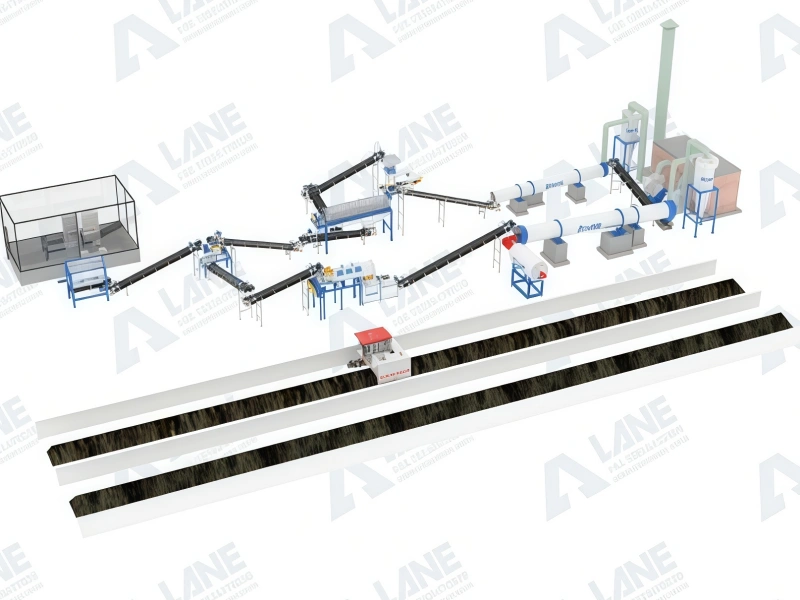
As the global demand for sustainable agricultural practices continues to rise, the importance of efficient organic fertilizer production has never been greater. Enter the Organic Fertilizer Making Machine Automatic—a technological innovation that transforms organic waste into nutrient-rich fertilizer with minimal human intervention. This machine is not just a tool; it’s a game-changer for farmers, agricultural businesses, and the environment. In this comprehensive guide, we will explore the features, benefits, and applications of automatic organic fertilizer making machines and how they contribute to sustainable agriculture.
What is an Organic Fertilizer Making Machine Automatic?
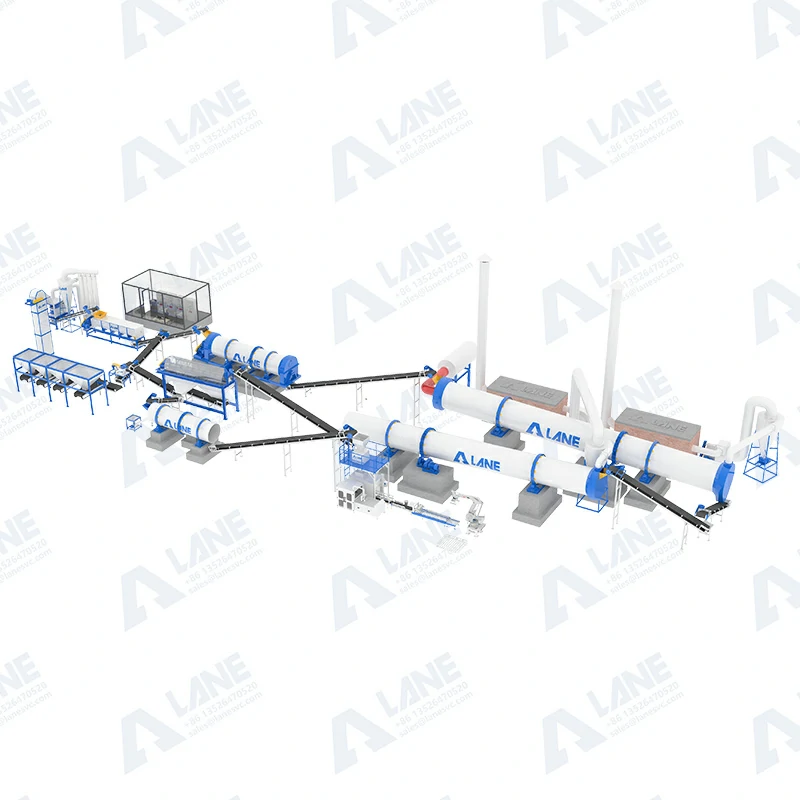
An Organic Fertilizer Making Machine Automatic is a specialized piece of equipment designed to convert organic waste materials, such as animal manure, crop residues, and food waste, into organic fertilizer. The automation aspect means that the machine handles the entire process—from raw material input to the final product—without the need for continuous manual intervention. This automation streamlines the production process, increases efficiency, and ensures consistent output quality.
How Does It Work?
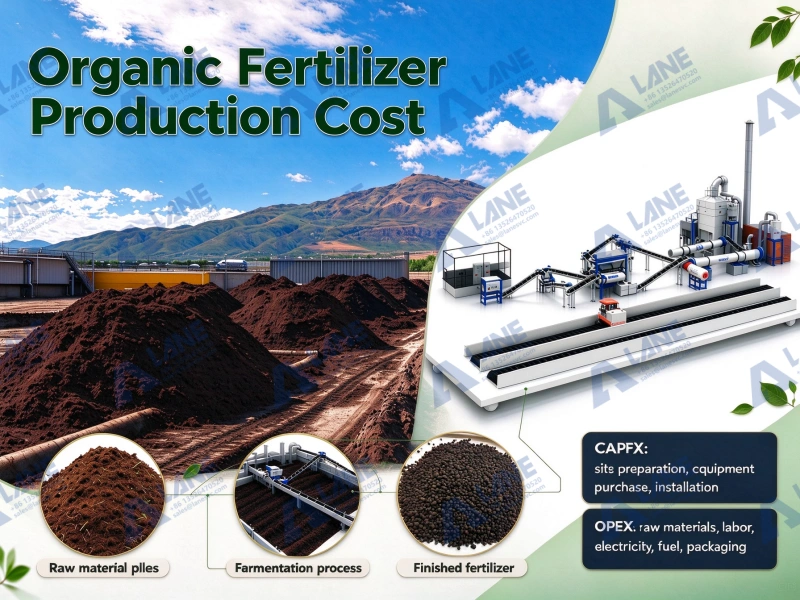
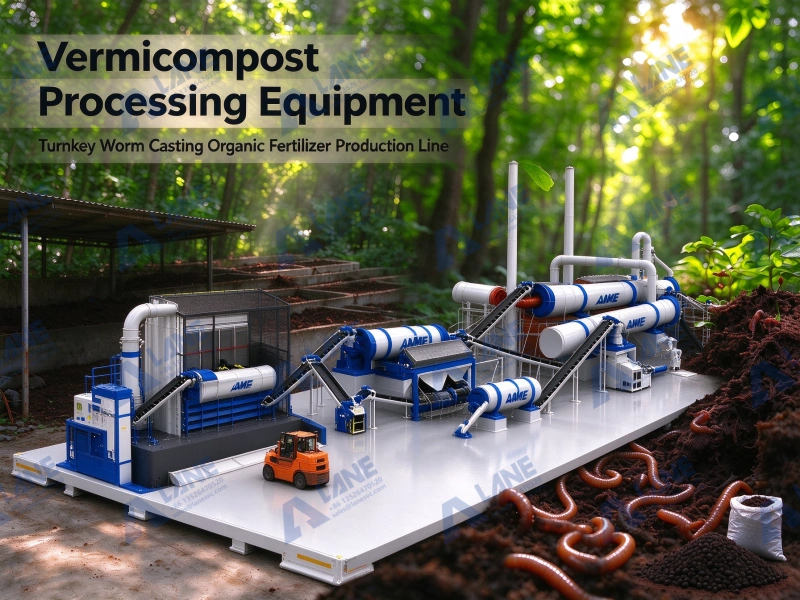
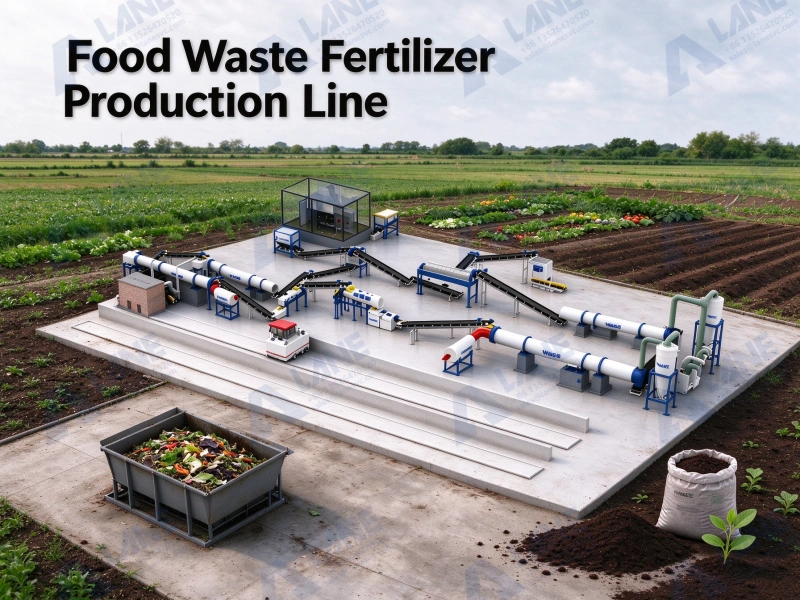
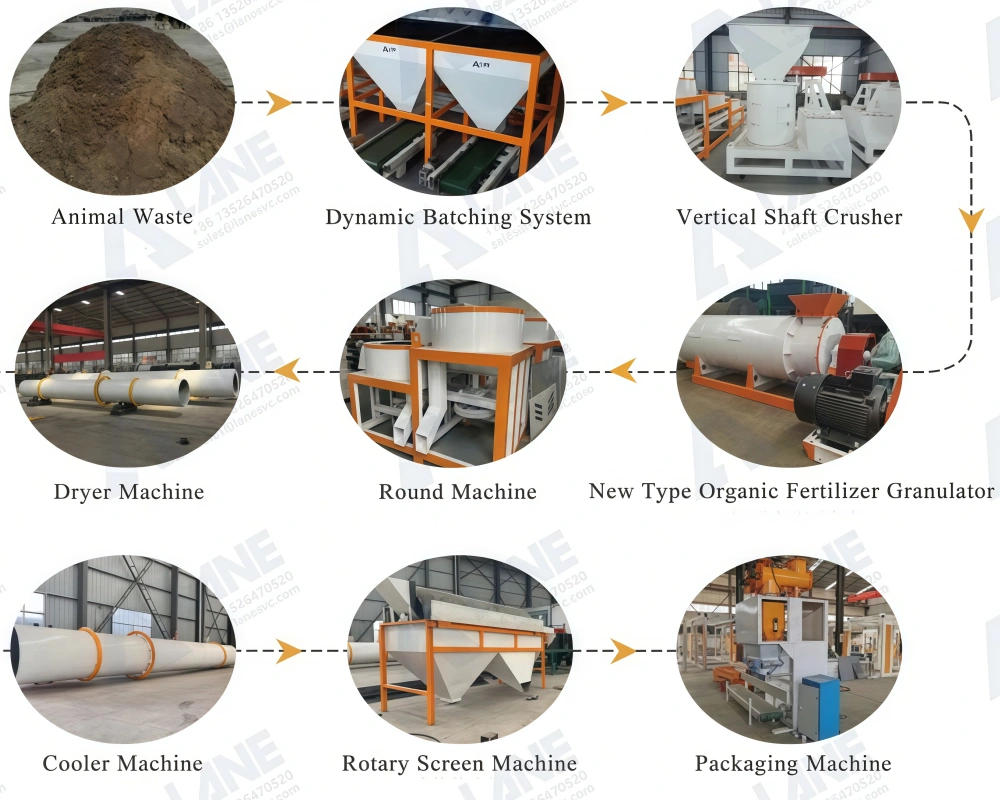
The Organic Fertilizer Making Machine Automatic begins with the collection and preparation of organic waste. The machine then goes through several stages, including mixing, granulating, drying, cooling, and packaging, to produce high-quality organic fertilizer. The automated controls allow for precise management of temperature, moisture, and other critical parameters, ensuring that the organic material is processed optimally.
Key Components
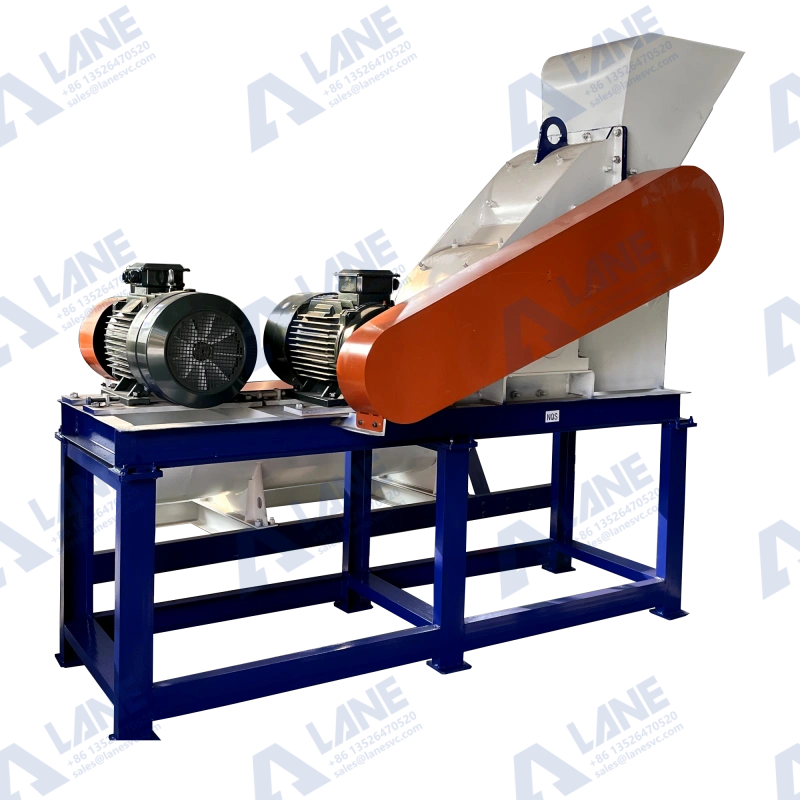
Crusher: Breaks down large pieces of organic material into smaller, manageable sizes.
Mixer: Ensures uniform blending of different organic materials.
Granulator: Converts the mixed materials into granules, which are easier to handle and apply.
Dryer: Reduces the moisture content of the granules, enhancing their shelf life.
Cooler: Lowers the temperature of the dried granules, preventing degradation.
Screening Machine: Separates qualified granules from those that need further processing.
Packaging Machine: Automatically packs the final product into bags for distribution.
| Product Name | Model | Yield | Detail | Speed | Power |
|---|---|---|---|---|---|
| Crawler Compost Turner | LALG-2500 | 400-1500m*3/h | Stacking height 600mm-1500mm | 5-10m/min | 36-170 horsepower |
| Forklift Feeding Hopper | LAH-1.5-3 | Silo size: 1-4 meters | 2250mm*1050mm*1590mm | 1450r/min | 2.2-3KW |
| Vertical Crucher | LAC-60V | 1-12t/h | ZQ series reducer | 1450r/min | 7.5-37KW |
| Organic Fertilizer Granulator | LAZJ-1000 | 1-8t/h | ZY series reducer | 1450r/min | 7.5-11KW |
| Polishing Machine | LAP2-800 | 2-10t/h | Double bearing | 1450r/min | 3-7.5KW |
| Rotary Drum Drying Machine | LARD:1.2-12 | 1-25t/h | ZQ series reducer | 1450r/min | 5.5-22KW |
| Cooling Machine | LARC-1.0-10 | 1-20t/h | ZQ series reducer | 1450r/min | 5.5-22KW |
| Rotary Screen Machine | LAS-1240 | 1-23t/h | ZQ series reducer | 1450r/min | 3-7.5KW |
| Pellet Packing Machine | LAB-50K | 4-30 bags/minute | Packaging specification: 20-50kg | 4-6 bags/min | 50Hz/60Hz/220V/380V |
Advantages of Using an Organic Fertilizer Making Machine Automatic
- Enhanced Efficiency and Productivity
One of the most significant benefits of an Organic Fertilizer Making Machine Automatic is its ability to handle large volumes of organic waste efficiently. The automation allows for continuous operation, leading to higher production rates compared to manual processes. This efficiency is crucial for large-scale agricultural operations where time and labor are critical factors. - Consistent Quality of Organic Fertilizer
The automated controls in the Organic Fertilizer Making Machine Automatic ensure that every batch of fertilizer produced meets the same high standards. By precisely regulating factors like temperature and moisture, the machine produces a consistent product that farmers can rely on for effective soil enrichment and crop growth. - Labor and Cost Savings
Organic Fertilizer Making Machine Automatic reduces the need for manual labor, which translates into significant cost savings over time. Farmers and agricultural businesses can allocate their workforce to other essential tasks, while the machine handles the complex process of organic fertilizer production. - Environmental Benefits
Organic fertilizers produced by these machines are a sustainable alternative to chemical fertilizers. They enrich the soil with essential nutrients, improve soil structure, and promote healthy microbial activity. By converting organic waste into fertilizer, these machines also help reduce landfill use and lower greenhouse gas emissions associated with waste decomposition. - Versatility
These machines are highly versatile and can process a wide range of organic materials, including animal manure, plant residues, and even certain types of food waste. This versatility makes them suitable for various agricultural settings, from small farms to large commercial operations.
Applications of Organic Fertilizer Making Machine Automatic
Large-Scale Farms
Large farms that generate significant amounts of organic waste can benefit immensely from using an Organic Fertilizer Making Machine Automatic. These machines can process the waste onsite, turning it into valuable fertilizer that can be used to enhance soil fertility and crop yields.
Organic Farms
For farms that prioritize organic farming practices, these machines are indispensable. They ensure a steady supply of organic fertilizer that meets organic certification standards, helping farms maintain their organic status while promoting sustainable agriculture.
Agricultural Cooperatives
Agricultural cooperatives can use these machines to process organic waste from multiple farms in a centralized location. The produced fertilizer can then be distributed among member farms, reducing the need for chemical fertilizers and supporting collective sustainability efforts.
Municipal Waste Management
Municipalities dealing with large quantities of organic waste can also utilize these machines as part of their waste management strategy. By converting organic waste into fertilizer, cities can reduce landfill use, lower waste disposal costs, and contribute to urban agriculture initiatives.
How to Choose the Right Organic Fertilizer Making Machine Automatic
Production Capacity
When selecting an automatic organic fertilizer making machine, consider the production capacity. This should align with the volume of organic waste you plan to process. Machines are available in various sizes and capacities, so choose one that meets your specific needs.
Automation Level
Different machines offer varying levels of automation. Some may require occasional manual intervention, while others are fully automated. Assess your operational needs and choose a machine with the appropriate level of automation to maximize efficiency and ease of use.
Material Compatibility
Ensure that the machine you choose can handle the types of organic waste you intend to process. Some machines are better suited for animal manure, while others excel at processing plant residues or food waste.
Energy Efficiency
Energy consumption is an important consideration, especially for large-scale operations. Look for machines that are energy-efficient, as this will help reduce operational costs and minimize your environmental footprint.
Manufacturer Support and Warranty
Choose a machine from a reputable manufacturer that offers reliable customer support and a comprehensive warranty. This ensures that you have access to technical assistance if needed and that your investment is protected.Installation and Maintenance Tips
Proper Installation
Proper installation is crucial for the optimal operation of your organic fertilizer making machine. Ensure that the machine is installed on a level surface with adequate space for operation and maintenance. Follow the manufacturer’s guidelines for electrical connections and ventilation.
Regular Maintenance
Routine Inspections: Regularly inspect the machine for signs of wear and tear. Address any issues promptly to prevent more significant problems down the line.
Lubrication: Keep all moving parts well-lubricated to ensure smooth operation.
Cleaning: Regularly clean the machine to remove any buildup of organic material, which can cause blockages or reduce efficiency.
Spare Parts: Keep a stock of essential spare parts on hand, such as belts, bearings, and filters, to minimize downtime in case of a breakdown.
Operator Training
Ensure that operators are fully trained on how to use and maintain the machine. Proper training will help prevent operational errors and extend the machine’s lifespan.
If need help, Contact us! We will give your suggestion according to your situation.
The Future of Organic Fertilizer Making Machine Automatic
As technology continues to advance, the future of Organic Fertilizer Making Machine Automatic looks promising. Innovations in automation, energy efficiency, and material processing capabilities will likely lead to even more efficient and versatile machines. Additionally, as the global focus on sustainability grows, the demand for organic fertilizer making machines will continue to rise, driving further developments in this field.
Integration with IoT and Smart Farming
Future machines may incorporate IoT (Internet of Things) technology, allowing for real-time monitoring and remote control. This integration could enable farmers to optimize fertilizer production based on real-time data, further enhancing efficiency and sustainability.
Improved Energy Efficiency
With the increasing focus on renewable energy, future machines may be designed to operate on solar power or other sustainable energy sources. This would reduce their environmental impact and make them even more attractive to eco-conscious farmers.
Conclusion
The Organic Fertilizer Making Machine Automatic is a powerful tool for promoting sustainable agriculture. By converting organic waste into valuable fertilizer with minimal human intervention, these machines help reduce waste, lower costs, and improve soil health. Whether you’re a large-scale farmer, an organic producer, or a member of an agricultural cooperative, investing in an automatic organic fertilizer making machine can significantly enhance your operations and contribute to a more sustainable future.
With the ongoing advancements in technology and the growing emphasis on sustainability, the role of organic fertilizer making machines in agriculture is set to become even more critical. By choosing the right machine and maintaining it properly, you can ensure that your farm or business is well-positioned to thrive in the years to come.