Organic Fertilizer Production Line Ventilation : Key Methods, System Design, and Common Problems
Organic fertilizer raw materials usually have a high water content and contain a large amount of easily degradable organic matter. During the composting process, microorganisms continuously decompose organic matter and produce heat, water vapor, and certain odors. Therefore, in the fermentation stage, Organic Fertilizer Production Line Ventilation should first solve the problem of oxygen supply and ventilation.
However, for a complete organic fertilizer production line, Organic Fertilizer Production Line Ventilation is not limited to the fermentation stage.
Crushing will produce dust, drying will produce a large amount of humid air, cooling needs to take away the heat of fertilizer particles in time, screening and packaging will also produce dust. In the Organic Fertilizer Production Line Ventilation design, if the airflow organization of these areas is not appropriate, there may be problems such as high workshop temperature, moisture accumulation, dust diffusion, difficult control of odor, and equipment corrosion.
Therefore, Organic Fertilizer Production Line Ventilation cannot be solved by simply installing several exhaust fans in the workshop. The purpose of ventilation should be determined according to the needs of each processing stage, and then the appropriate ventilation method and equipment should be selected.
Why Does an Organic Fertilizer Production Line Need Ventilation?
Air-related problems during organic fertilizer production mainly come from three aspects: oxygen, heat, and pollutants.
During fermentation, organic matter is continuously decomposed by microorganisms and consumes oxygen. If air exchange inside the compost pile is insufficient, local oxygen-deficient areas can easily develop, affecting aerobic fermentation. At the same time, the heat and water vapor generated during fermentation also need to be released in time.
Therefore, Organic Fertilizer Production Line Ventilation during fermentation focuses more on oxygen supply and air exchange.
As the material moves into subsequent processing stages, however, the purpose of ventilation changes:
• Fermentation → Supply oxygen and remove heat and moisture
• Crushing → Control dust
• Mixing → Maintain good workshop air conditions
• Granulation → Support a suitable processing environment
• Drying → Remove hot and humid air
• Cooling → Remove heat from fertilizer granules
• Screening → Collect screening dust
• Packaging → Control dust and improve the working environment
This is why a complete Organic Fertilizer Production Line Ventilation system usually cannot rely on a single ventilation method.
In simple terms:
Different processes → Different air problems → Different ventilation methods → Different equipment configurations
If the focus is only on the number of fans while ignoring the actual production process, the ventilation system may still fail to achieve the expected results after installation.
Where Is Ventilation Needed in an Organic Fertilizer Production Line?
In practical projects, ventilation requirements can be understood according to the following production process:
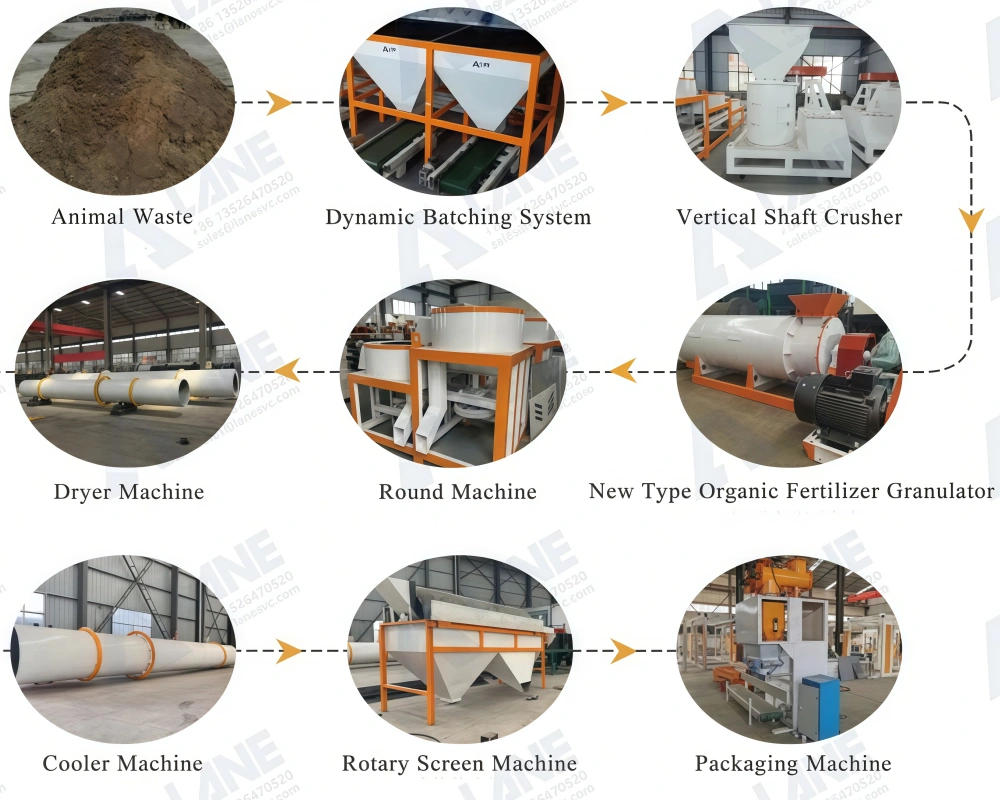
Organic waste → Composting and fermentation → Crushing → Mixing → Granulation → Drying → Cooling → Screening → Packaging
The role of Organic Fertilizer Production Line Ventilation is different in each area.
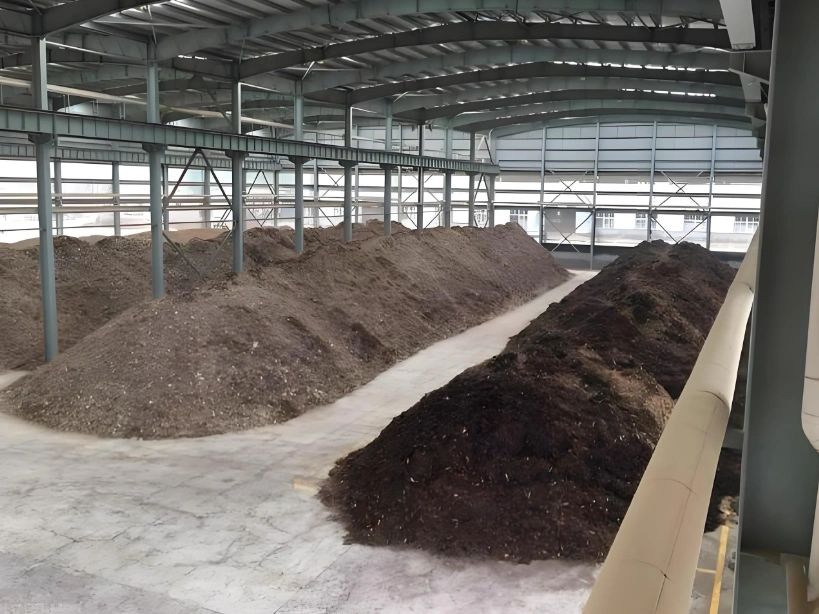
Fermentation Stage: Focus on Oxygen Supply and Air Exchange
Organic fertilizer fermentation usually uses aerobic composting. Microbial activity requires oxygen, so a certain level of air exchange must be maintained inside the compost pile.
If the pile is too large, the moisture content is too high, or the material is too compact, natural air diffusion alone may not provide sufficient oxygen to the interior.
Common methods include:
• Regular turning
• Aeration through pipes
• Forced aeration using fans
• Combining aeration with turning
The basic process can be represented as:
Fan → Aeration pipes → Aeration holes → Air enters the compost pile → Oxygen supply → Fermentation exhaust and heat removal
Therefore, the focus of Organic Fertilizer Production Line Ventilation in the fermentation area is not simply to increase workshop exhaust volume, but to ensure that air actually reaches the material that needs oxygen.
For large organic fertilizer projects, compost turners, aeration pipes, and aeration fans can be combined according to the fermentation process.
Crushing Stage: Focus on Dust Control
After fermentation, the material needs to be crushed further to achieve a more uniform particle size and provide suitable raw material conditions for subsequent mixing and granulation.
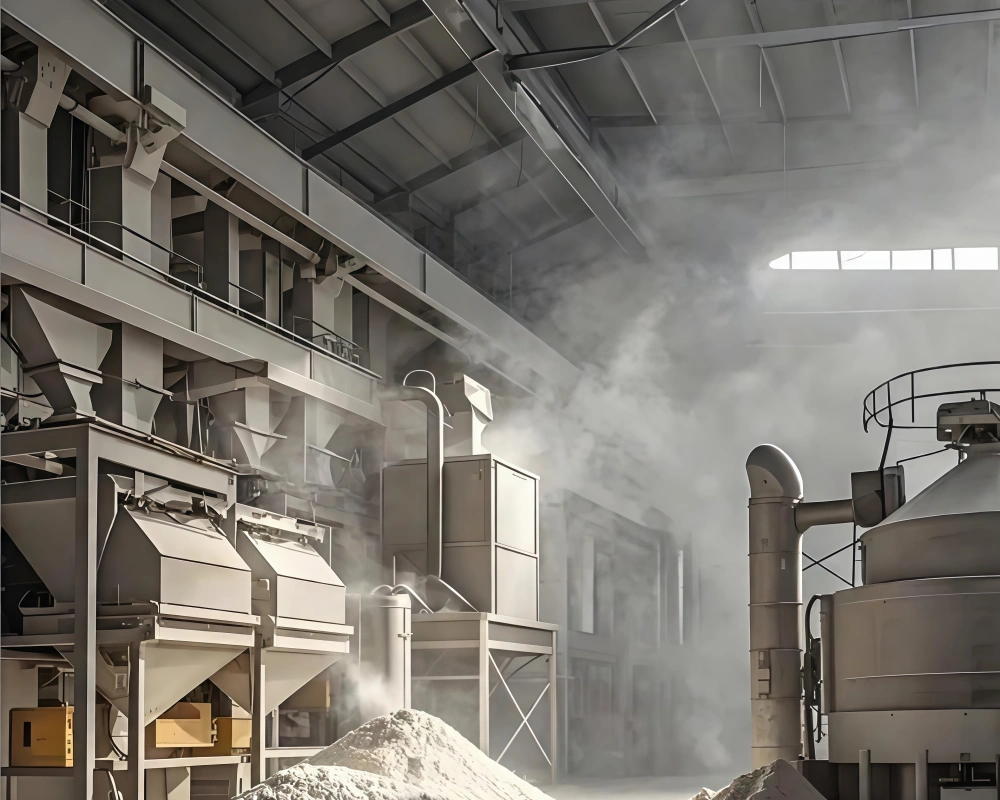
However, crushing equipment can generate considerable dust during operation.
At this stage, the focus of Organic Fertilizer Production Line Ventilation shifts from oxygen supply to dust collection.
A more effective approach is:
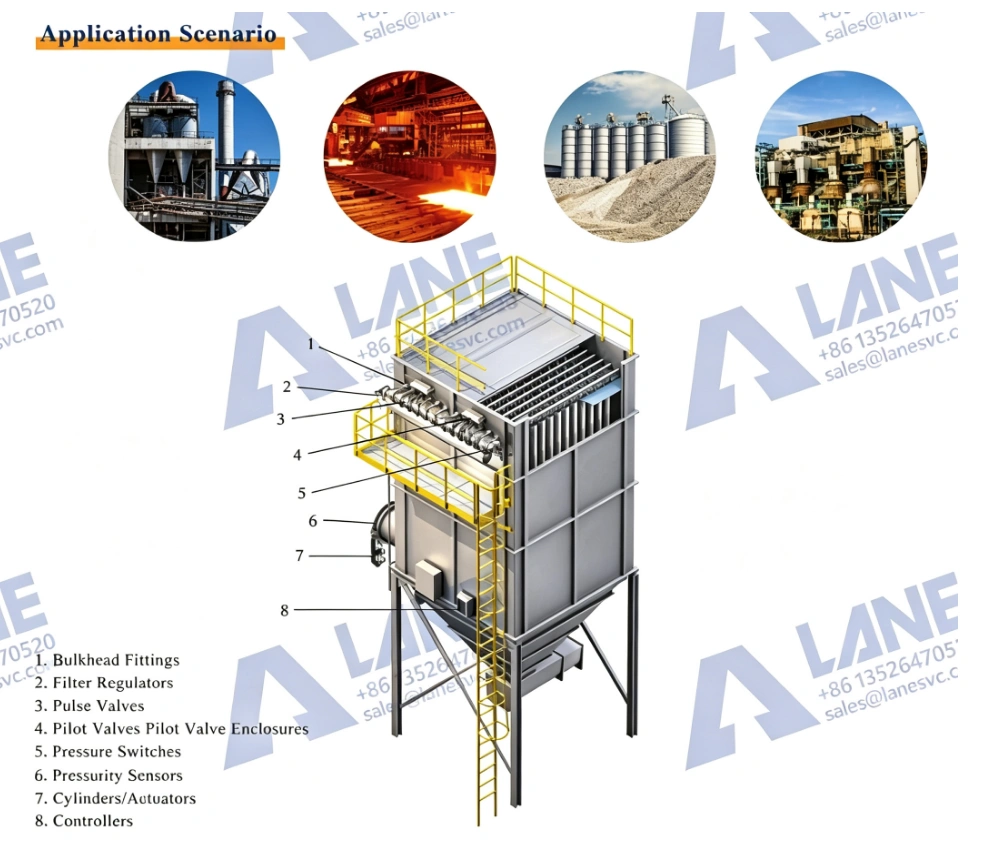
Crusher → Dust generation → Local exhaust → Dust collection duct → Dust collector
In other words, dust should be collected as close as possible to its source rather than relying only on increasing the overall air exchange rate of the workshop.
The crusher, conveying equipment, dust ducts, and dust collection equipment need to be properly matched to prevent dust from continuously spreading throughout the workshop.
Mixing and Granulation Stage: Focus on Air Conditions and Material State
The mixing and granulation areas generally do not require as much oxygen as the fermentation area or generate as much hot and humid air as the drying area.
However, during continuous production, material moisture, equipment operation, and workshop temperature can all affect the air environment.
Therefore, Organic Fertilizer Production Line Ventilation in this area is mainly used to maintain reasonable air exchange while reducing local moisture and dust accumulation.
For example:
Raw materials enter → Mixing → Granulation → Small amounts of dust or moisture are generated → Air exchange
At this stage, the layout of the mixer and granulator should also take subsequent ventilation, dust collection, and maintenance space into consideration.
Drying Stage: Focus on Removing Hot and Humid Air
Drying is one of the stages with relatively high ventilation requirements in an organic fertilizer production line.
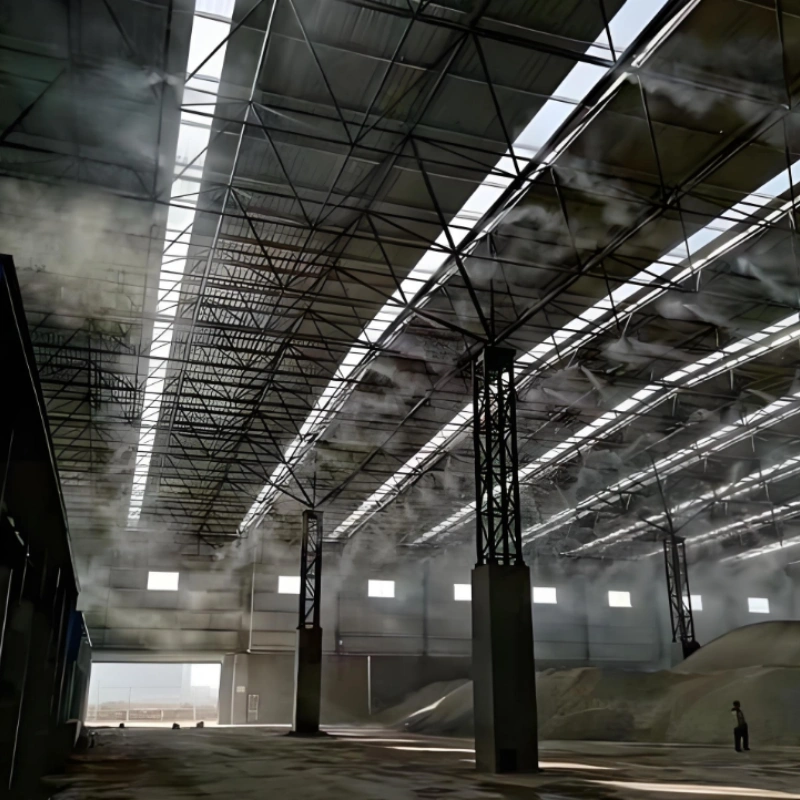
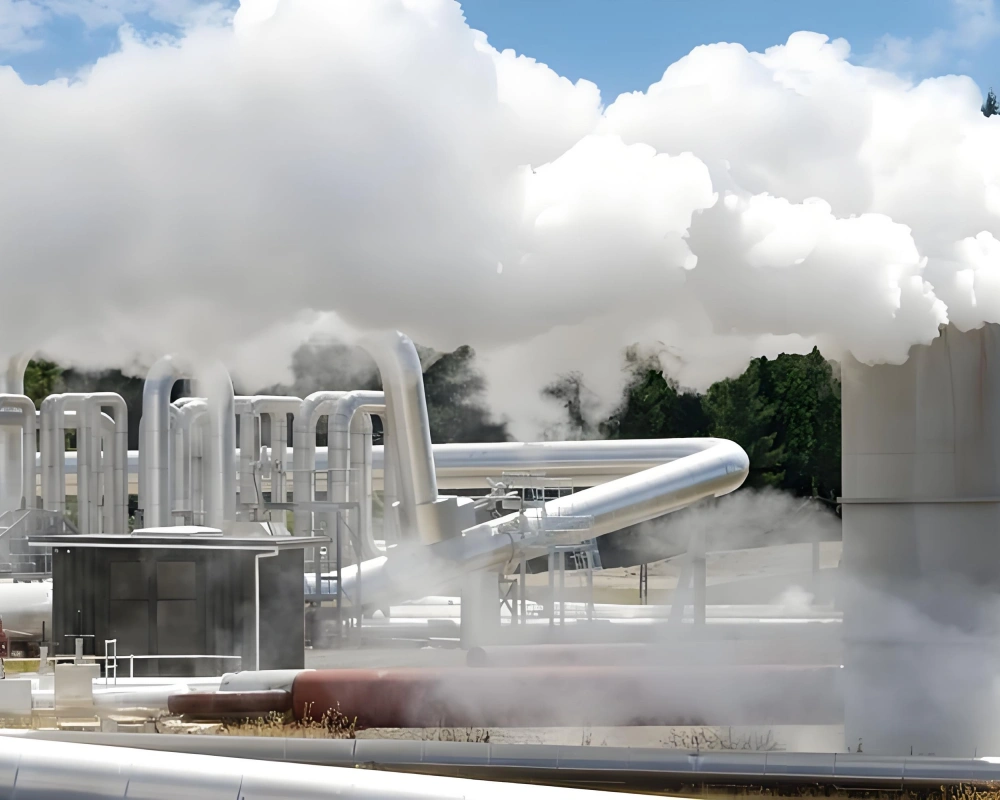
After the material enters the dryer, hot air comes into contact with the wet material and rapidly evaporates moisture. A large amount of hot and humid air is generated during this process.
The basic process is:
Hot air enters → Material is heated → Moisture evaporates → Hot and humid air is discharged
If the exhaust capacity is insufficient, hot and humid air cannot leave the system in time, which may result in:
• Lower drying efficiency
• Increased workshop humidity
• Water vapor accumulation
• Condensation on steel structures and equipment surfaces
• Increased risk of equipment corrosion
Therefore, Organic Fertilizer Production Line Ventilation during drying must be coordinated with the hot-air and exhaust systems of the dryer.
In practical projects, the rotary drum dryer, hot blast stove, induced draft fan, and related ductwork generally need to be considered as an integrated system.
Cooling Stage: Focus on Removing Granule Heat
Fertilizer granules are usually still hot after drying and should not directly enter the screening and packaging stages.
During cooling, air comes into contact with the hot granules and removes heat from both the interior and surface of the granules.
The process can be represented as:
Cool air enters → Contacts hot granules → Absorbs heat → Hot air is discharged
Therefore, Organic Fertilizer Production Line Ventilation in the cooling area mainly supports heat exchange.
If the cooling air volume is insufficient, the granules will cool more slowly, which can affect subsequent screening, conveying, and packaging.
For continuous production lines, a rotary cooler can be integrated with the dryer, screening equipment, and conveying equipment.
Screening Stage: Focus on Dust Control
After granulation, fertilizer usually needs to be screened to separate qualified granules from oversized and undersized particles.
During screening, continuous movement and collision between particles can also generate fine dust.
Therefore, Organic Fertilizer Production Line Ventilation in the screening area usually needs to work together with local dust collection.
The basic process is:
Screening equipment → Dust generation → Local collection → Dust collection duct → Dust collector
Compared with simply increasing the exhaust volume of the entire workshop, installing collection points close to the screening equipment is generally more effective.
Packaging Stage: Focus on Dust and the Working Environment
The final packaging stage can also generate dust.
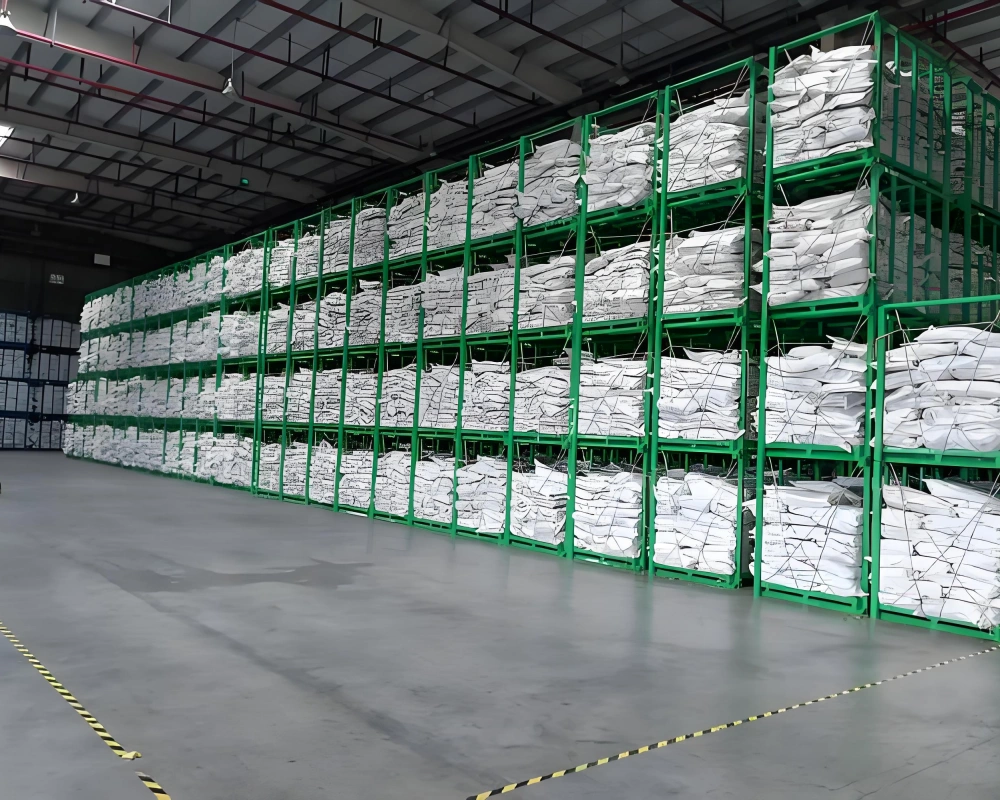
When fertilizer granules move from conveying equipment into hoppers, weighing systems, and bags, small amounts of fine powder may enter the air during material discharge.
Therefore, Organic Fertilizer Production Line Ventilation in the packaging area is mainly used to improve the working environment while controlling local dust.
The basic process can be represented as:
Fertilizer discharge → Dust generation → Local collection → Exhaust → Dust treatment
If the packaging area uses an enclosed design, it can also be combined with a mechanical ventilation system for air exchange.
Four Ventilation Methods for Organic Fertilizer Production Lines
Four common ventilation methods can be used in organic fertilizer projects. Their functions are not exactly the same.
1. Natural Ventilation
Working Principle
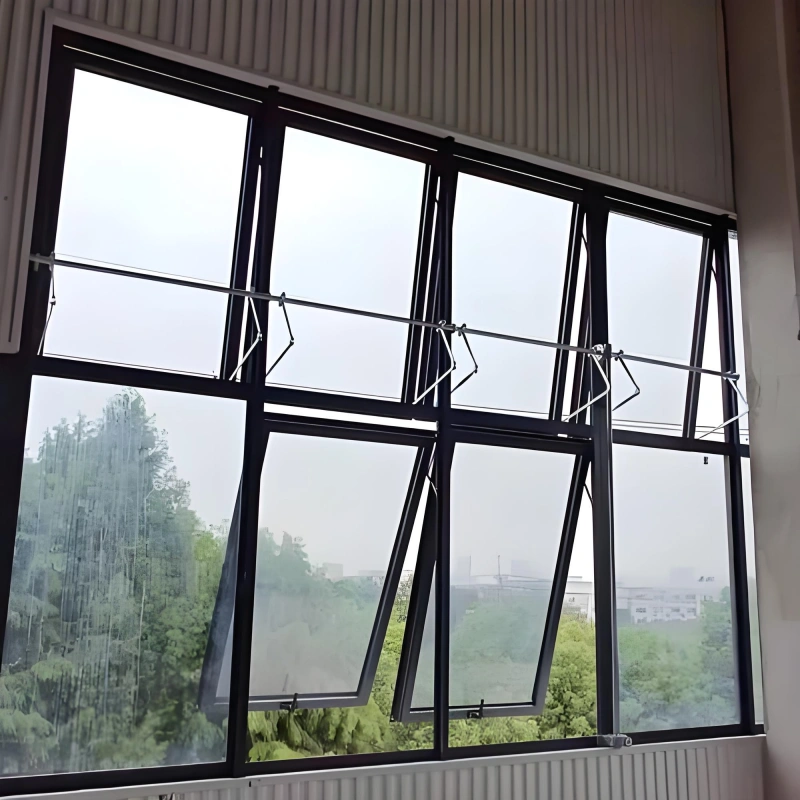
Natural ventilation mainly uses temperature differences and natural wind to achieve air exchange.
The basic process is:
Cool air enters at a low level → Indoor air warms up → Warm air rises → Warm air exits through high-level vents → Fresh air enters again
In organic fertilizer production areas, processes such as fermentation and drying generate heat, and this temperature difference can help drive natural airflow.
Related Equipment
• Air inlets
• High-level ventilation openings
• Roof ventilators
Advantages
• Simple structure
• Low energy consumption
• No need for continuously operating fans
• Relatively simple routine maintenance
Limitations
The biggest limitation of natural ventilation is its lack of stability.
It is easily affected by weather, wind direction, temperature, and building structure. Airflow cannot be precisely controlled, and dust and odors are difficult to manage effectively.
Suitable Applications
Natural ventilation is more suitable for:
• Small production areas
• Open composting sites
• Semi-open workshops
• Areas with relatively low air exchange requirements
Therefore, natural ventilation can serve as a basic method of Organic Fertilizer Production Line Ventilation, but it usually cannot completely replace mechanical ventilation and forced aeration in large enclosed production lines.
2. Mechanical Ventilation
Working Principle
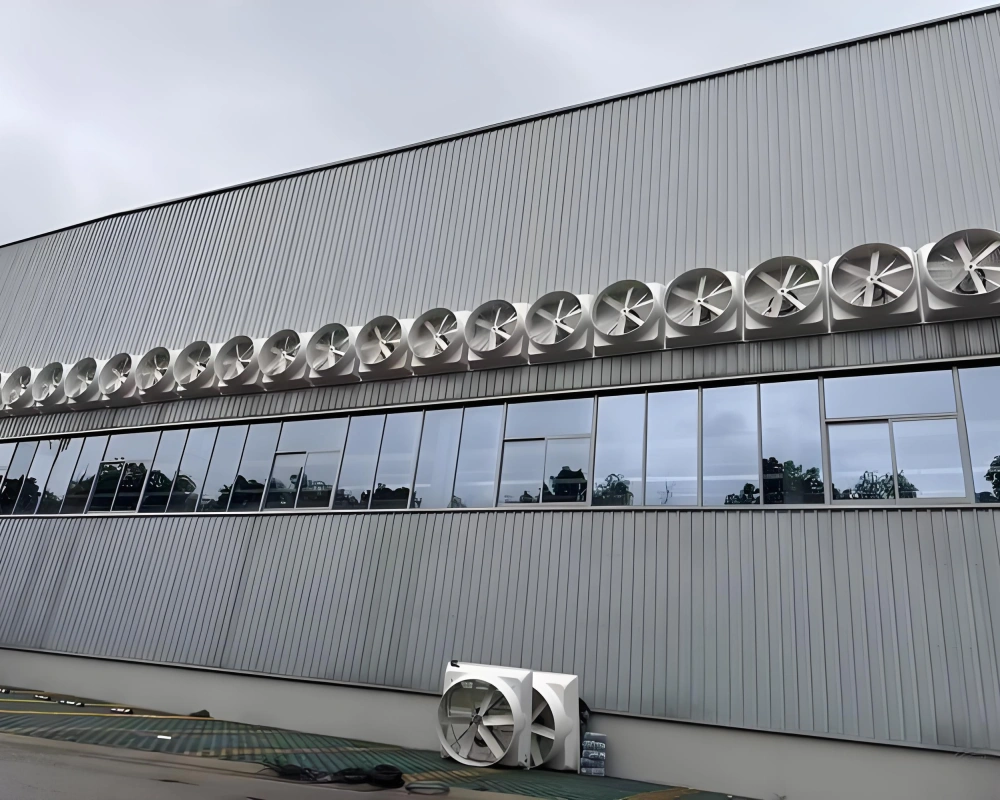
Mechanical ventilation uses fans to actively move air.
Fresh air enters → Supply/exhaust fan operates → Air moves through the production area → Exhaust duct → Outdoor environment
Related Equipment
• Supply fans
• Exhaust fans
• Ventilation fans
• Ventilation ducts
Advantages
The biggest advantage of mechanical ventilation is that airflow volume and direction are easier to control.
It does not depend on natural wind, making it suitable for enclosed production workshops. It can also be connected with dust collection and odor treatment systems.
Limitations
• Requires electricity
• Fans require maintenance
• Ducts create system resistance
• Fan selection must consider actual operating conditions
One important distinction should be noted:
Mechanical ventilation = Controlling airflow within the workshop
It does not necessarily mean directly supplying oxygen to the fermentation material.
3. Forced Aeration
Working Principle
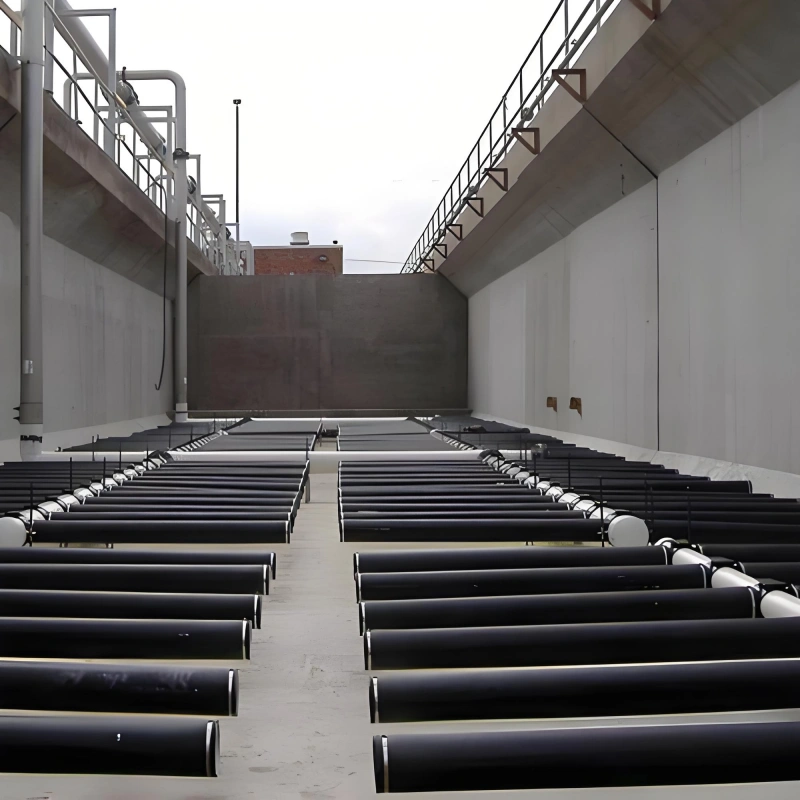
Forced aeration is mainly used during fermentation. Fans and aeration pipes directly supply air into the compost pile.
Fan → Main aeration duct → Branch pipes → Aeration holes → Air enters the compost pile → Oxygen enters the material → Exhaust gas and heat are discharged
Related Equipment
• Aeration fans
• Blowers
• Main aeration ducts
• Branch aeration pipes
• Perforated aeration pipes
• Valves
• Airflow control devices
Advantages
• Directly supplies oxygen to the material
• Improves air exchange inside the compost pile
• Reduces local oxygen-deficient areas
• Supports stable aerobic fermentation
• Suitable for large-scale projects
Limitations
Forced aeration has relatively high requirements for pipe layout.
If aeration holes are improperly distributed, pipe resistance is too high, or airflow is unevenly distributed, some areas may still receive insufficient oxygen even when the fan is running.
Suitable Applications
It is mainly suitable for:
• Large-scale composting projects
• In-vessel or trough fermentation
• Enclosed fermentation
• Large organic fertilizer production lines
Therefore:
Forced aeration = Directly supplying air to the interior of the fermentation material
This is the most important difference between forced aeration and ordinary mechanical ventilation.
4. Negative Pressure Ventilation
Working Principle
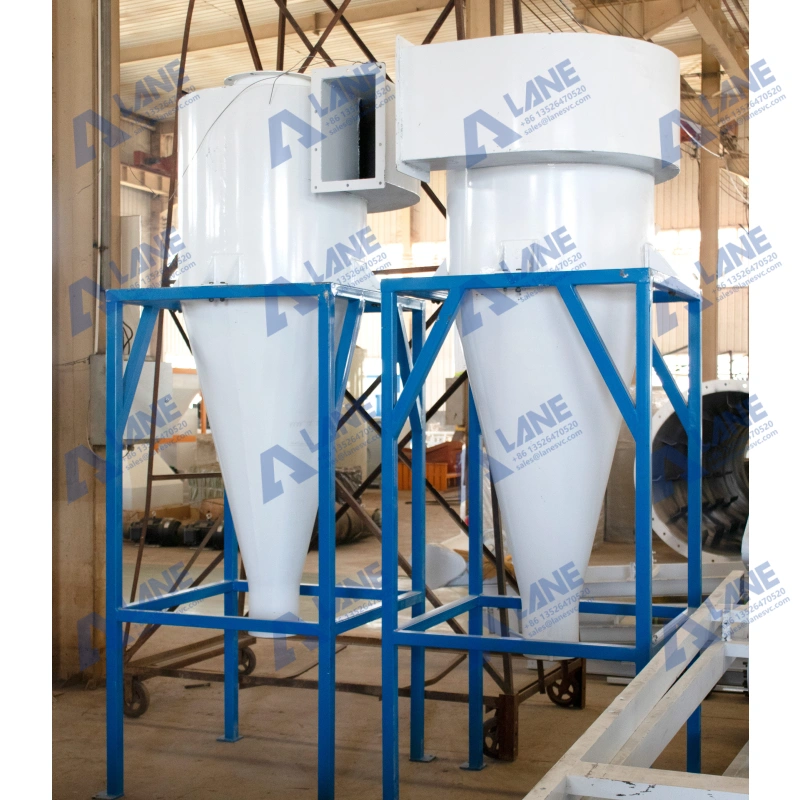
Negative pressure ventilation uses exhaust fans to continuously remove air from a contaminated area, creating relatively negative pressure inside the area.
Fresh air enters → Contaminated area → Exhaust fan extracts air → Negative pressure is created → Dust- or odor-laden air enters the duct → Dust or odor treatment
Related Equipment
• Exhaust fans
• Exhaust hoods
• Exhaust ducts
• Air inlets
• Enclosed negative-pressure areas
• Dust collection equipment
• Odor treatment equipment
Advantages
The biggest advantage of negative pressure ventilation is that it controls the direction of contaminated airflow.
For areas with significant dust or odors, air can be directed from relatively clean areas toward contaminated areas instead of allowing polluted air to spread throughout the workshop.
Limitations
• Fans and ducts need to be properly matched
• Duct resistance affects actual airflow
• The locations of air inlets and exhaust outlets are important
• Initial investment is relatively higher
Suitable Applications
Suitable for:
• Enclosed production workshops
• Dust-generating areas
• Odor-generating areas
• Areas requiring centralized exhaust treatment
Therefore:
Negative pressure ventilation = Controlling the direction of contaminated airflow through pressure differences
The four methods can be summarized simply as:
Natural ventilation → Uses natural conditions to achieve air exchange
Mechanical ventilation → Uses fans to control airflow within the workshop
Forced aeration → Directly supplies air to the fermentation material
Negative pressure ventilation → Uses exhaust airflow to control the direction of contaminated air
How to Design an Organic Fertilizer Production Line Ventilation System?
Selecting only one ventilation method cannot solve all the air-related problems throughout the production line. A properly designed Organic Fertilizer Production Line Ventilation system should start with the entire production process.
1. Determine Ventilation Requirements for Different Production Areas
First, determine what problem needs to be solved in each area.
Fermentation area → Focus on oxygen supply
Crushing area → Focus on dust control
Mixing/granulation area → Focus on maintaining air exchange
Drying area → Focus on moisture and heat removal
Cooling area → Focus on heat removal
Screening area → Focus on dust control
Packaging area → Focus on dust and working environment
This approach is more reasonable than installing the same ventilation equipment throughout the entire workshop.
2. Divide the Ventilation Areas Properly
The entire organic fertilizer workshop should not be treated as one uniform space.
It can be divided according to the production process:
Raw material area → Fermentation area → Crushing area → Mixing and granulation area → Drying and cooling area → Screening and packaging area
Different areas can then be assigned different requirements for air supply, exhaust, aeration, dust collection, and odor treatment.
This helps prevent contaminated air from one area from entering another relatively clean area.
3. Select Fans According to Airflow and Pressure
A larger fan is not necessarily a better choice.
When selecting fans for Organic Fertilizer Production Line Ventilation, the following factors need to be considered:
• Required airflow
• Required pressure
• Duct length
• Duct diameter
• Number of elbows
• Continuous operating time
• Resistance of dust collection equipment
• Resistance of odor treatment equipment
For large production lines in particular, the fan is not serving just one exhaust outlet. It needs to operate as part of a complete duct and air treatment system.
Therefore:
Equipment requirements → Duct resistance → Downstream treatment resistance → Fan airflow/pressure
These factors need to be calculated as an integrated system.
In practical organic fertilizer projects, LANE Machinery matches fermentation, crushing, granulation, drying, cooling, and other equipment according to production capacity, raw material characteristics, and the processing flow. Ventilation equipment should also be coordinated with the actual operating conditions of these process machines.
4. Design the Ventilation Ducts Properly
Ventilation ductwork is an easily overlooked part of Organic Fertilizer Production Line Ventilation.
The basic process is:
Equipment exhaust outlet → Branch duct → Main duct → Dust/odor treatment equipment → Discharge
If the ducts are too long, contain too many elbows, or have inappropriate diameters, system resistance may increase.
Therefore, the following factors should be considered:
• Duct length
• Duct diameter
• Number of elbows
• Air velocity
• Number of branches
• Dust accumulation
• Cleaning and maintenance requirements
For dusty air ducts in particular, structures that are prone to dust accumulation should be minimized.
5. Combine Ventilation with Dust and Odor Treatment
Ventilation is not the final step in pollutant treatment.
For dusty areas:
Dust generation → Local collection → Duct conveying → Dust treatment
For odor-generating areas:
Odor generation → Centralized collection → Duct conveying → Odor treatment
In other words, the role of Organic Fertilizer Production Line Ventilation is to organize the airflow that needs to be treated and convey it to the appropriate treatment equipment.
For projects requiring complete production line configuration, LANE Machinery can reserve suitable exhaust, dust collection, and air treatment interfaces according to equipment layout and the production process, allowing the ventilation system to work more effectively with the entire production line.
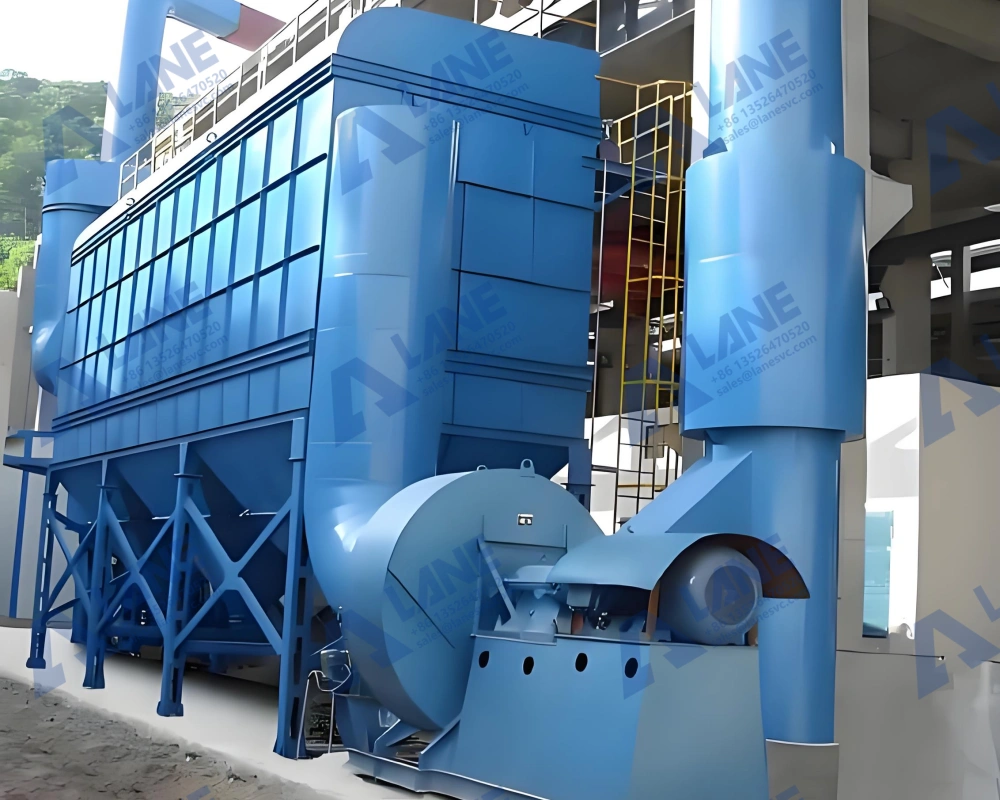
Common Organic Fertilizer Production Line Ventilation Problems
During actual operation, problems with Organic Fertilizer Production Line Ventilation can usually be diagnosed using the following approach: symptom → possible cause → inspection direction.
1. Uneven Aeration During Fermentation
Symptom:
The center of the compost pile lacks oxygen and has an odor, while the edges appear relatively normal.
Possible causes:
• Improper aeration pipe layout
• Excessive spacing between aeration holes
• Uneven airflow distribution
• Insufficient fan pressure
• Excessive material moisture
Inspection direction:
Fan → Main aeration duct → Branch pipe → Aeration holes → Compost pile
Each section should be checked to determine whether air can enter the material evenly.
2. Hot and Humid Air Enters the Production Workshop
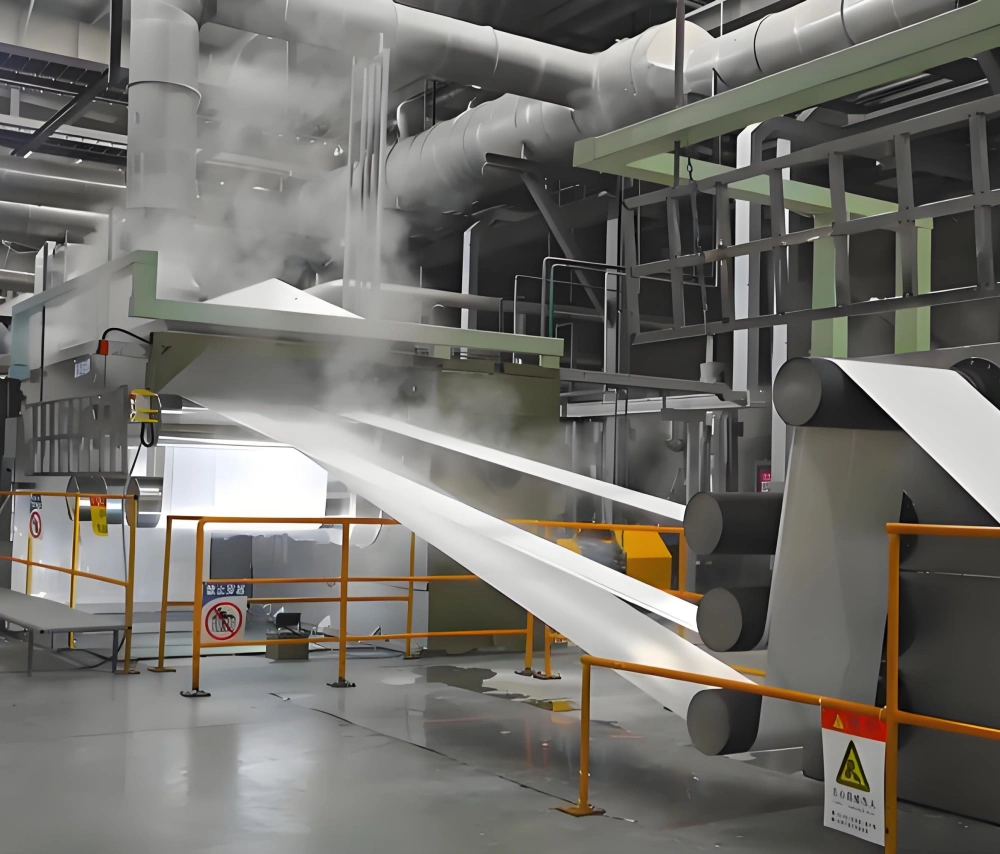
Symptom:
Visible mist appears in the drying area, and steel structures or equipment surfaces are prone to condensation.
Possible causes:
• Insufficient exhaust volume
• Poor exhaust hood capture performance
• Excessive duct resistance
• Hot and humid air is not discharged in time
Normal process:
Dryer → Hot and humid air → Exhaust hood → Duct → Outdoor environment/treatment system
If the exhaust system cannot remove hot and humid air efficiently, the working environment in the area will be affected.
3. Airflow Drops After the Dust Collection System Runs for a Period of Time
Symptom:
Exhaust is normal when the crusher first starts operating, but dust collection performance decreases after running for some time.
Possible causes:
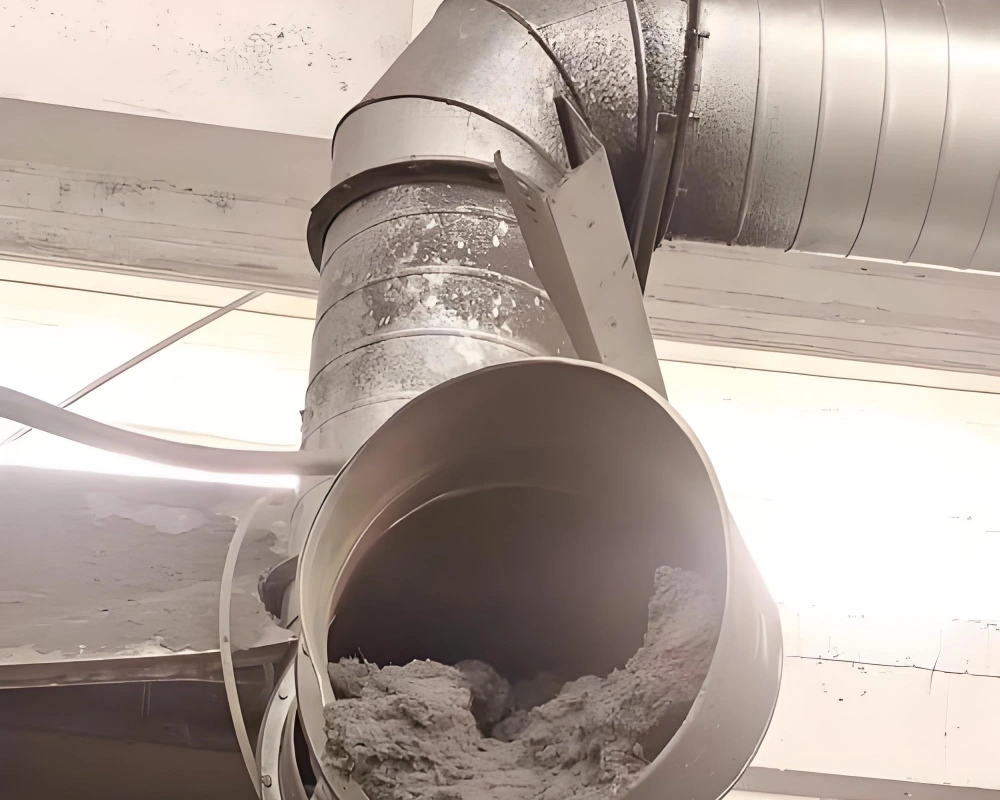
• Dust accumulation in ducts
• Too many elbows
• Improper duct design
• Insufficient actual airflow
• Increased resistance in the downstream dust collection system
Therefore, when inspecting Organic Fertilizer Production Line Ventilation, do not check only the fan. The entire dust collection duct system should also be inspected.
4. Odor Remains After the Exhaust and Odor Treatment Systems Operate
Symptom:
The production line has exhaust and odor treatment equipment, but noticeable odors remain in the workshop or discharge area.
Possible causes:
Insufficient oxygen during fermentation → Increased odor generation → Exhaust collection → Increased load on the odor treatment system
In other words, odor problems do not necessarily come entirely from the odor treatment equipment.
If the upstream fermentation process is poorly controlled, the treatment load on the downstream odor control system will also increase.
5. Unstable Fan Operation
Symptom:
The fan produces abnormal noise, the motor temperature rises, or overload protection trips.
Possible causes:
• Excessive actual system resistance
• Improper fan selection
• Improper duct design
• Dust accumulation inside ducts
• Excessive resistance from dust collection equipment
• Excessive resistance from the odor treatment system
Therefore, fan troubleshooting should start with the entire Organic Fertilizer Production Line Ventilation system rather than simply replacing the fan.
FAQ
Why does an organic fertilizer production line need ventilation?
Organic fertilizer production involves oxygen consumption, heat, water vapor, dust, and odors. Proper Organic Fertilizer Production Line Ventilation helps supply oxygen, remove heat and moisture, and control dust and contaminated air.
Is forced aeration necessary during fermentation?
Not always. Small open composting projects may meet part of their requirements through turning and natural air exchange. However, for large-scale, enclosed, or highly controlled fermentation projects, forced aeration is generally easier to manage.
What is the difference between mechanical ventilation and forced aeration?
Mechanical ventilation mainly controls airflow within the workshop, while forced aeration mainly supplies air directly into the fermentation material.
Simply put:
Mechanical ventilation → Ventilates the workshop
Forced aeration → Aerates the compost pile
Where is negative pressure ventilation mainly used?
Negative pressure ventilation is mainly suitable for areas with significant dust or odors. By continuously extracting air with an exhaust fan, contaminated air can be directed toward a designated treatment system for dust or odor control.
Does an organic fertilizer production line ventilation system need dust collection equipment?
If the production process generates significant dust, dust collection is generally required. Crushing, screening, and packaging areas in particular are better suited to local dust collection combined with ventilation rather than simply increasing the overall workshop air exchange rate.
Why does a dryer need effective exhaust ventilation?
Drying generates large amounts of hot and humid air. If this air cannot be discharged in time, drying efficiency may decrease, while workshop humidity, condensation, and corrosion risks may increase.
How should ventilation equipment be selected for an organic fertilizer production line?
The selection should consider production capacity, raw material characteristics, process flow, equipment operating conditions, duct length, system resistance, and whether dust collection and odor treatment equipment are included.
For complete organic fertilizer production lines, LANE Machinery can evaluate the specific production process and equipment configuration to provide an integrated match for ventilation, dust collection, and related equipment.
Can an organic fertilizer production line use only several exhaust fans?
For small open areas, simple exhaust fans may provide basic air exchange. However, for large enclosed production lines, ordinary exhaust fans alone usually cannot simultaneously address fermentation oxygen supply, dust control, drying moisture removal, cooling heat removal, and odor collection.
Therefore, a more effective Organic Fertilizer Production Line Ventilation system should be designed according to the actual requirements of each production area.
Conclusion
Ventilation in organic fertilizer production lines is not just about solving the issue of poor air circulation. From fermentation to packaging, each stage has different air requirements: oxygen supply for fermentation, dust control during grinding and screening, moisture removal during drying, and heat dissipation during cooling. These varying needs are precisely the foundation of the LANE principle—Layout, Airflow, Negative Pressure, and Equipment Integration.
For Organic Fertilizer Production Line Ventilation, an effective system should be process-driven, integrating fans, ducts, aeration, dust collection, and odor control equipment in a rational manner—centered around the LANE framework: logical layout, orderly airflow, negative pressure containment of contaminants, and coordinated operation of equipment. Good ventilation isn’t about having more fans, but about ensuring air flows correctly and pollutants are promptly captured.