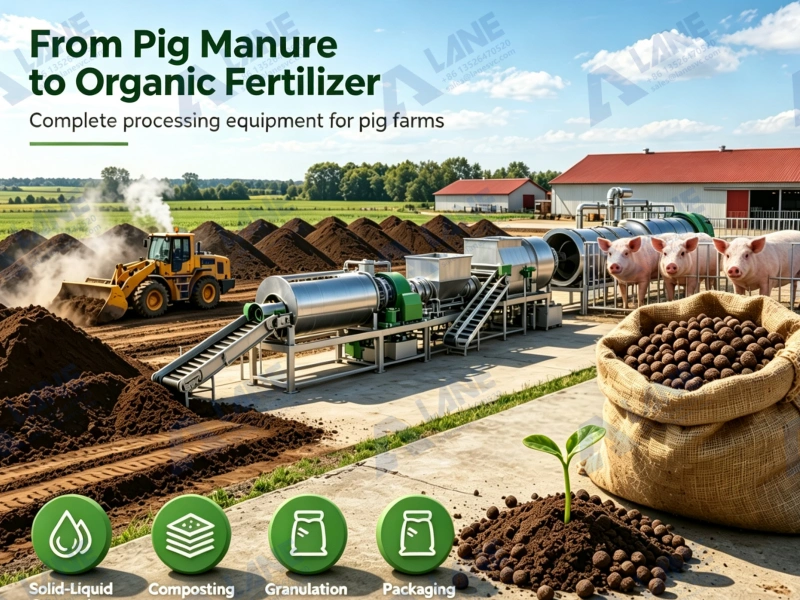
Agricultural Waste Granulator Machine: Turning Crop Residues Into High-Value Organic Fertilizer Granules
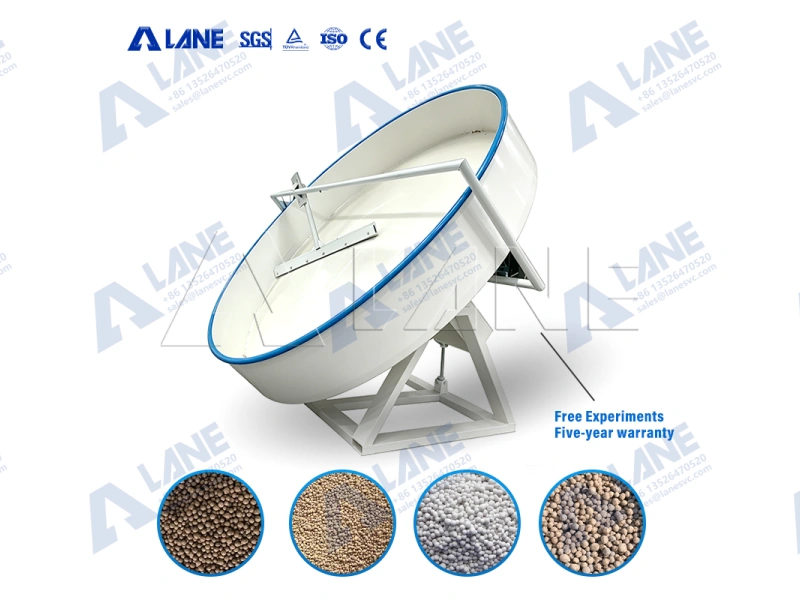
Agricultural waste has become an important resource for sustainable fertilizer production. Every year, large amounts of crop residues, straw, plant residues, and organic by-products are generated from agricultural activities. Without proper treatment, these materials can cause storage difficulties, environmental pollution, and resource waste.
An Agricultural Waste Granulator Machine plays a key role in this transformation process. By improving the shape, density, and usability of organic materials, this equipment helps fertilizer manufacturers convert low-value agricultural waste into commercial organic fertilizer granules while supporting more sustainable farming practices.
Why Agricultural Waste Needs Granulation Before Fertilizer Production?
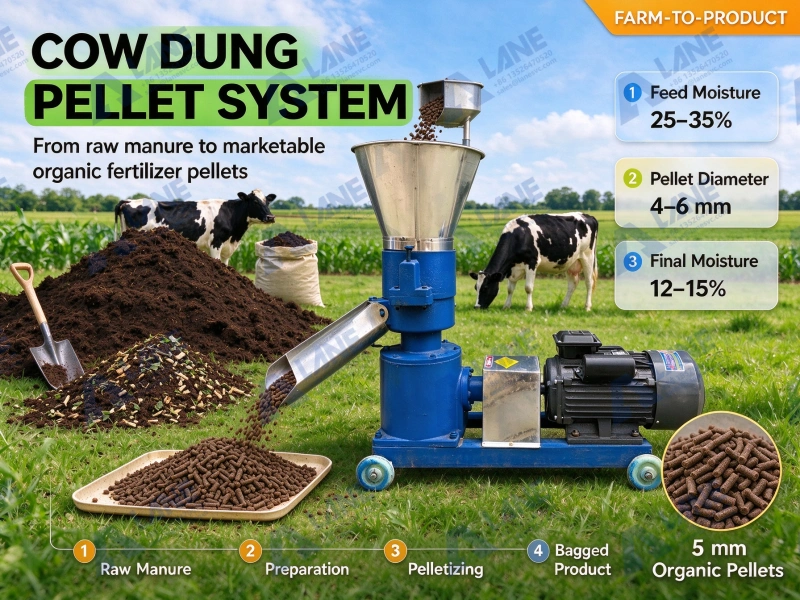
Although agricultural waste contains abundant organic components, it cannot always be used directly as a commercial fertilizer product. Raw materials such as crop straw, rice husk, corn stalks, and other plant residues usually have irregular shapes, low density, and poor handling characteristics.
For fertilizer manufacturers, the challenge is not only how to recycle agricultural waste but also how to create a stable product with consistent quality. This is why granulation has become an essential step in modern organic fertilizer production.
Through an Agricultural Waste Granulator Machine, processed organic materials can be converted into compact and uniform granules, improving both production efficiency and final fertilizer quality.
Challenges of Directly Using Agricultural Waste as Fertilizer Materials
Raw agricultural waste often creates several difficulties during fertilizer processing.
First, agricultural residues usually have uneven particle sizes. Large pieces of straw or plant fibers are difficult to mix evenly with other fertilizer materials, which affects the consistency of nutrient distribution. Before entering the agricultural waste granulator machine, these materials usually require crushing and conditioning.
Second, loose agricultural waste has a low bulk density. Large volumes of untreated residues require more storage space and increase transportation costs. By forming dense fertilizer pellets, the material volume can be reduced and handling becomes much easier.
Third, raw agricultural waste may have unstable moisture content. Materials collected from different seasons or regions can vary significantly, which affects the performance of fertilizer processing equipment. Proper composting, drying, and moisture adjustment are often necessary before granulation.
In addition, directly applying untreated agricultural residues to farmland may result in slow decomposition and uneven nutrient release. Converting these materials into fertilizer granules provides better control over application efficiency.
Therefore, an Agricultural Waste Granulator Machine is not simply a shaping device. It is an important part of the process that improves the usability and commercial value of recycled agricultural materials.
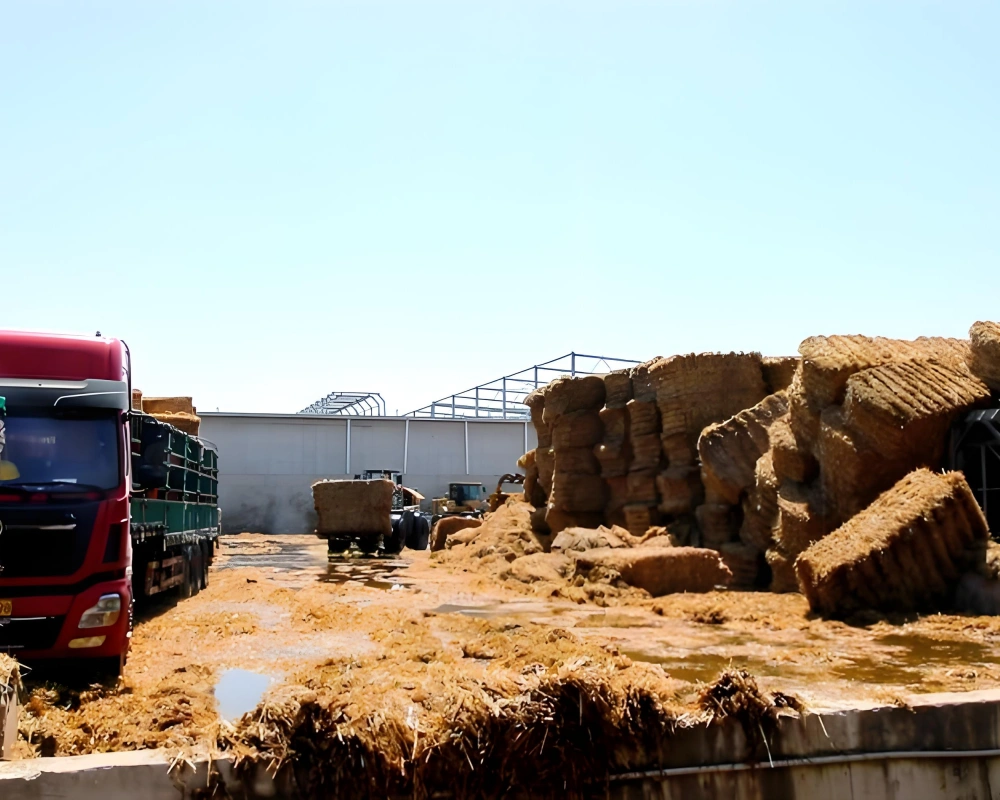
Advantages of Producing Fertilizer Granules From Agricultural Waste
Turning agricultural waste into fertilizer granules provides multiple advantages for fertilizer producers and farmers.
Improved Storage and Transportation Efficiency
Compared with loose agricultural residues, fertilizer granules have a more compact structure. They occupy less storage space and are easier to package and transport. This is especially important for commercial fertilizer producers who need to supply products over long distances.
Better Product Quality and Application Performance
Granulation helps create particles with more consistent size and shape. Uniform fertilizer granules provide more balanced nutrient distribution during agricultural application and improve the overall user experience.
Higher Economic Value of Agricultural Waste
Many agricultural residues are traditionally treated as waste materials. However, after processing through crushing, composting, and granulation, these materials can become valuable organic fertilizer products.
An effective Agricultural Waste Granulator Machine allows businesses to establish a recycling-based fertilizer production model, transforming agricultural by-products into marketable products.
Reduced Environmental Pressure
Improper disposal of agricultural waste can lead to open burning, unpleasant odors, and environmental problems. Recycling these materials through organic fertilizer production reduces waste accumulation while supporting sustainable agriculture.
For this reason, more fertilizer manufacturers are investing in complete agricultural waste processing solutions instead of handling residues as simple waste.
How Does an Agricultural Waste Granulator Machine Transform Waste Into Fertilizer Granules?
Producing high-quality fertilizer granules from agricultural waste requires more than simply feeding raw materials into an agricultural waste granulator machine. Before the granulation stage, agricultural residues usually need to go through several preparation processes to improve their physical characteristics and ensure stable production.
A complete fertilizer production process generally includes raw material preparation, composting, crushing, mixing, granulation, drying, cooling, screening, and packaging. In this process, an Agricultural Waste Granulator Machine works as the core equipment that converts prepared organic materials into uniform fertilizer particles.
Different agricultural wastes have different characteristics. Therefore, fertilizer manufacturers need to select suitable processing methods and granulation equipment according to raw material type, moisture content, production capacity, and final product requirements.
Preparation of Agricultural Waste Before Granulation
Before entering the granulation process, agricultural waste usually requires pretreatment to achieve suitable conditions for pellet formation.
Composting Improves Material Stability
Many agricultural wastes, especially crop residues and animal manure, contain complex organic structures. Composting helps break down organic matter and improves the maturity of fertilizer materials.
During composting, microorganisms decompose organic components and reduce unwanted substances. After fermentation, the material becomes more suitable for further processing.
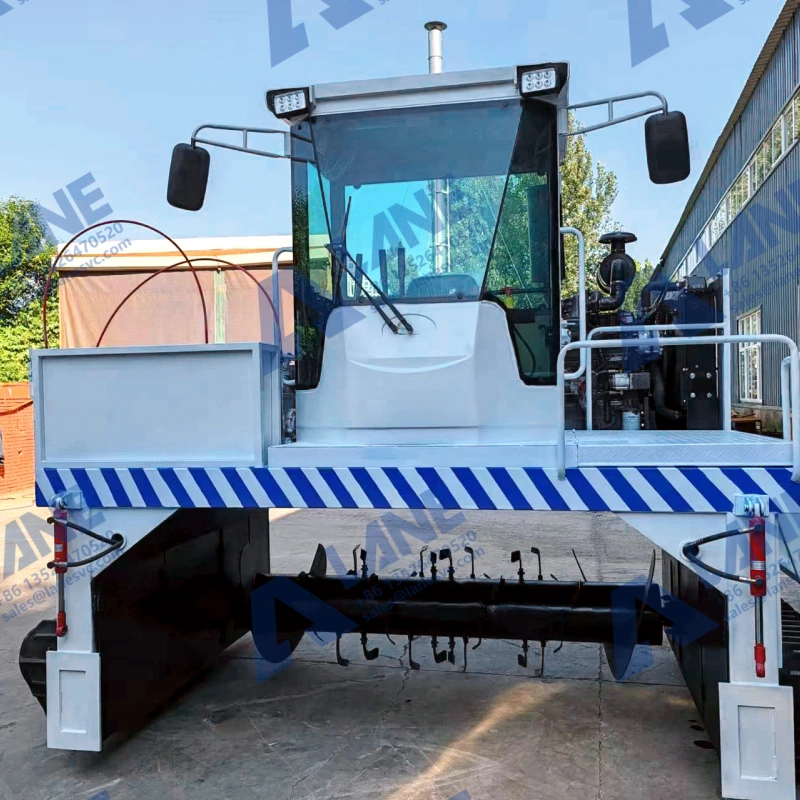
Common composting equipment includes:
• Compost Turner
• Covered Composting System
These machines help accelerate decomposition and create more stable raw materials for organic fertilizer production.
Crushing Reduces Particle Size
After composting, agricultural waste may still contain large particles or fibrous materials. Crushing is an important step to improve material uniformity before granulation.
A suitable crushing process helps:
• Increase mixing efficiency
• Improve granule formation
• Reduce equipment blockage risks
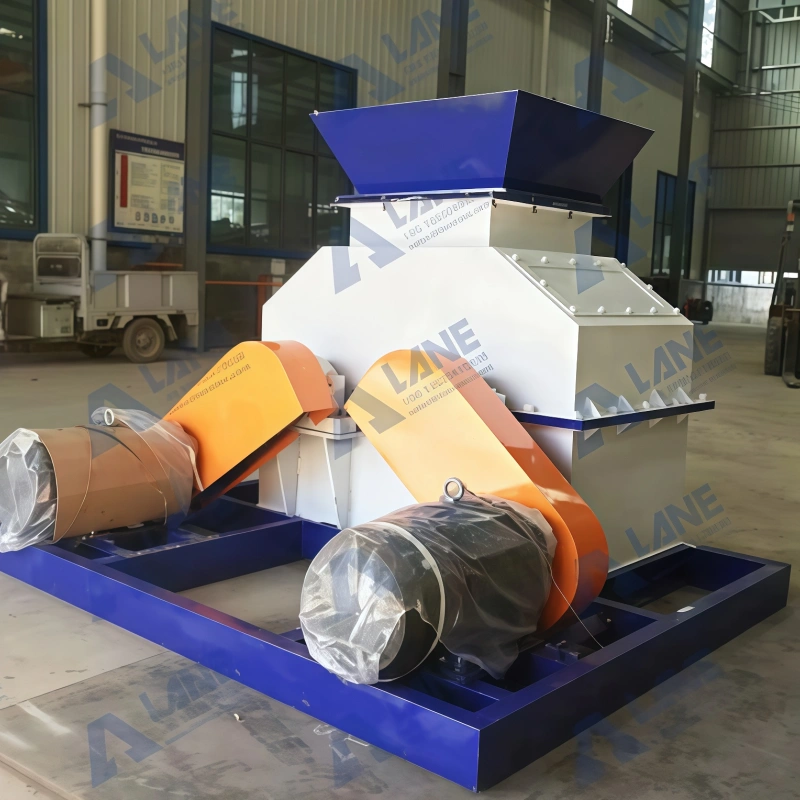
For different raw materials, fertilizer producers may choose different crushing machines, such as:
• Chain Crusher
• Hammer Crusher
The crushed material provides better conditions for the Agricultural Waste Granulator Machine to produce consistent fertilizer granules.
Mixing Creates a Balanced Fertilizer Formula
Agricultural waste alone may not always provide sufficient nutrients for commercial fertilizer production. Many manufacturers mix agricultural residues with other organic or mineral components to improve fertilizer performance.
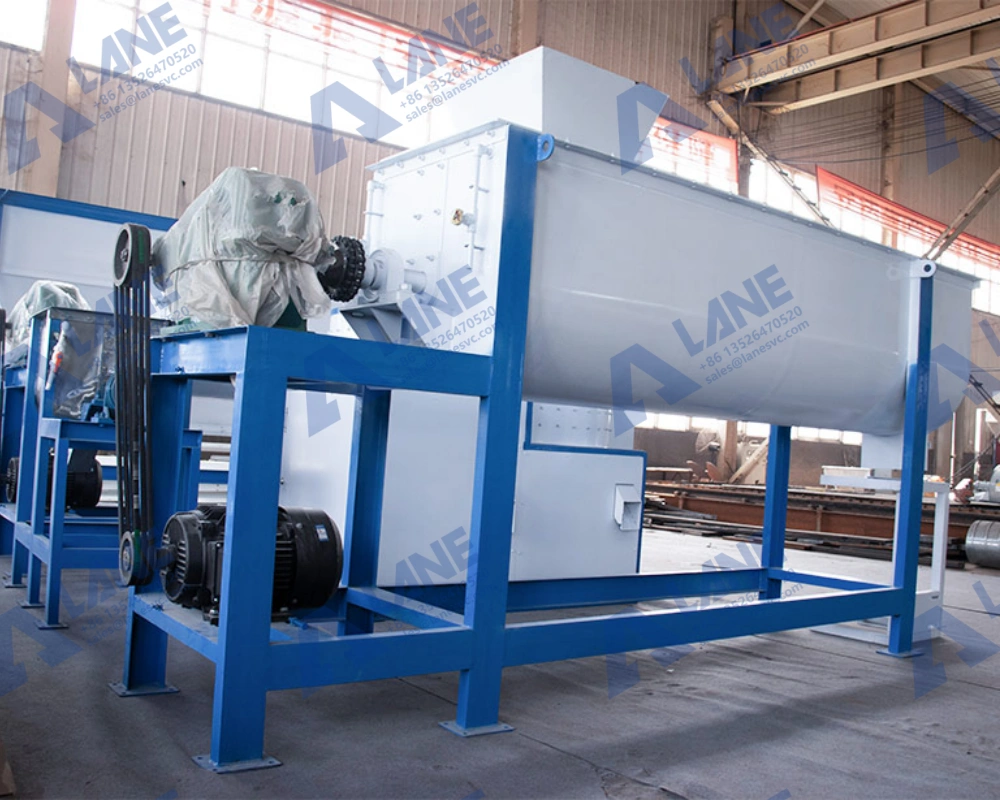
A fertilizer mixer ensures that all ingredients are evenly distributed before entering the granulation stage.
The mixing process is especially important when producing:
• Organic fertilizer
• Organic-mineral fertilizer
• Customized nutrient fertilizer products
A uniform mixture allows the granulator to form particles with more stable quality.
Granulation Process and Particle Formation
After preparation, the processed agricultural waste enters the granulation stage. This is where an Agricultural Waste Granulator Machine changes loose powdery or semi-moist materials into compact fertilizer granules.
During granulation, materials are combined through mechanical force, moisture adjustment, and sometimes binding effects from organic components. The final particle size and shape depend on the selected granulation technology.
Different fertilizer projects require different types of granulators.
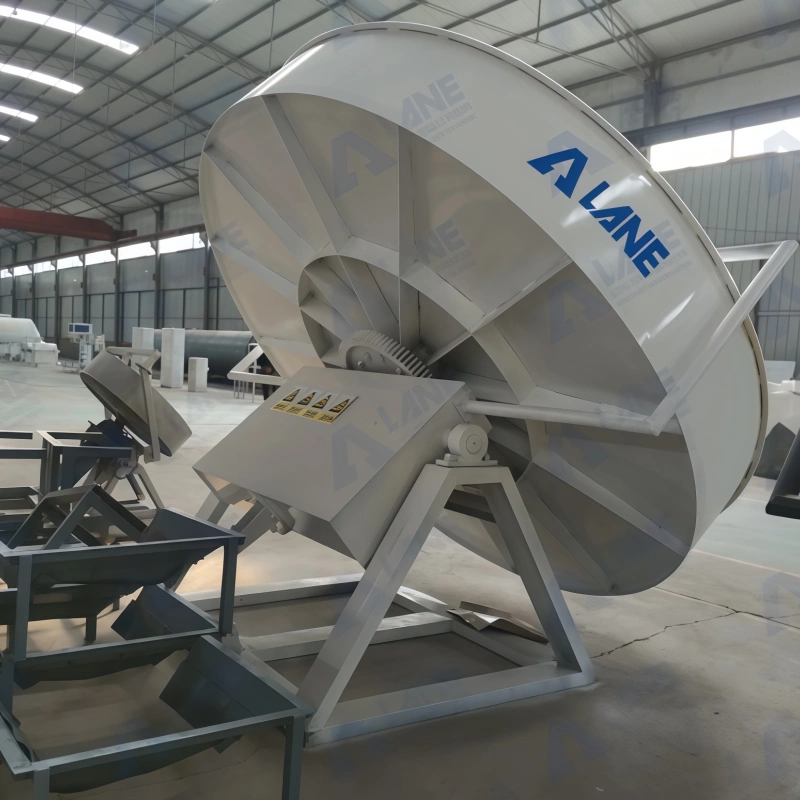
Disc Granulator for Small and Medium Agricultural Waste Fertilizer Production
A disc granulator is one of the commonly used machines for organic fertilizer production, and it is a type of agricultural waste granulator machine. It forms granules through the rotating movement of the disc and continuous rolling of materials.
The main advantages include:
• Simple structure
• Easy operation
• Flexible adjustment of granule size
• Suitable for small and medium fertilizer projects
For farms and fertilizer plants processing moderate amounts of agricultural waste, a disc granulator can provide an economical solution.
Materials are continuously rolled inside the inclined disc, gradually forming round fertilizer particles. With proper moisture control and feeding conditions, the equipment can produce uniform organic fertilizer granules.
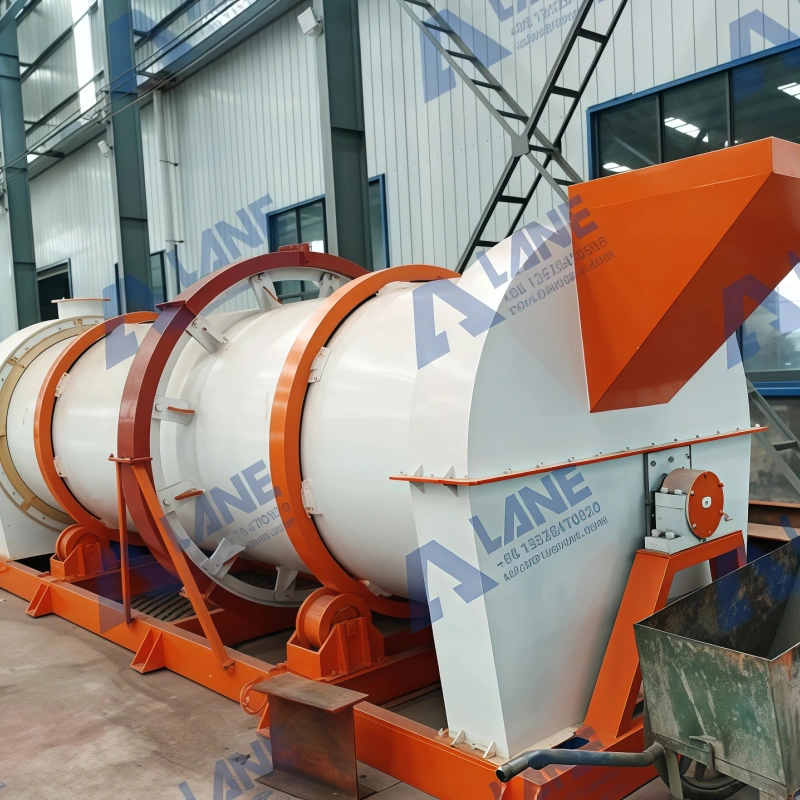
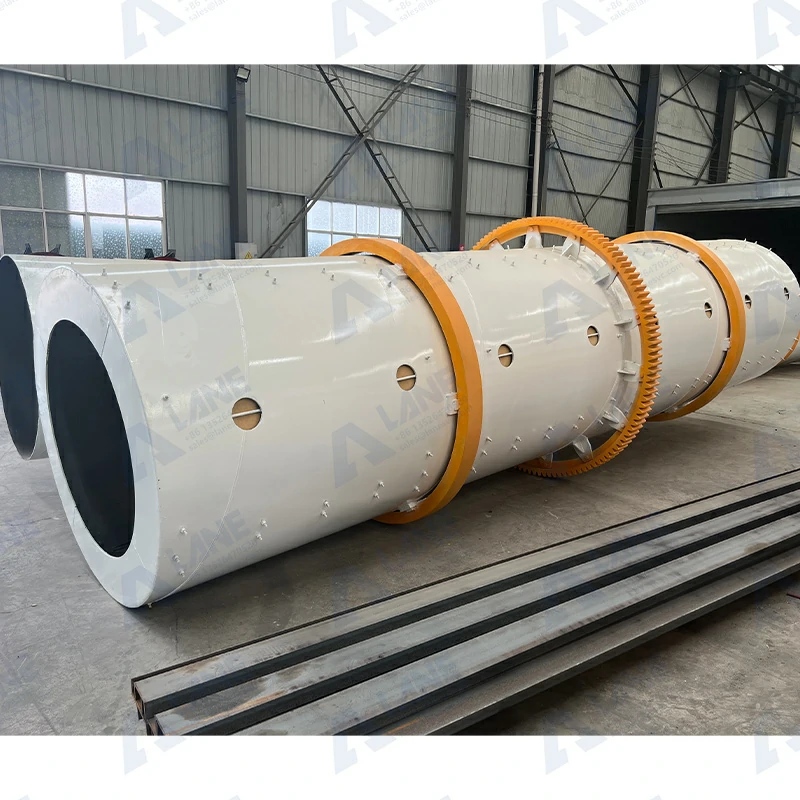
Rotary Drum Granulator for Large-Scale Agricultural Waste Processing
For industrial fertilizer production projects requiring higher capacity, a rotary drum granulator is often selected.
Unlike smaller granulation equipment, the rotary drum granulator operates continuously and can handle larger amounts of processed agricultural waste.
Its advantages include:
• Large production capacity
• Stable continuous operation
• Suitable for complete fertilizer production lines
During operation, materials move inside the rotating drum while being combined into larger particles. Spraying systems can help control moisture and improve granule formation.
A rotary drum granulator is commonly integrated with other equipment, including:
• Rotary Dryer
• Rotary Cooler
• Screening Machine
• Automatic Packing Machine
This complete production configuration allows manufacturers to transform agricultural waste into finished fertilizer products efficiently.
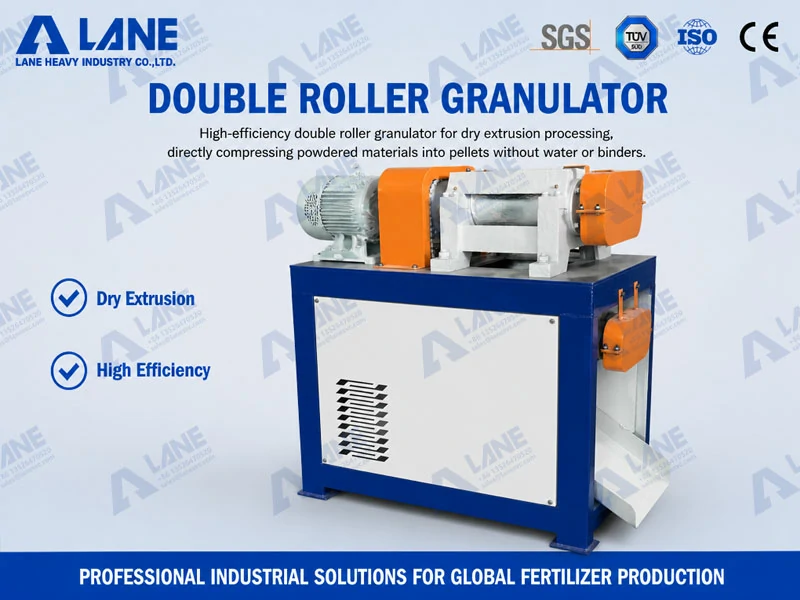
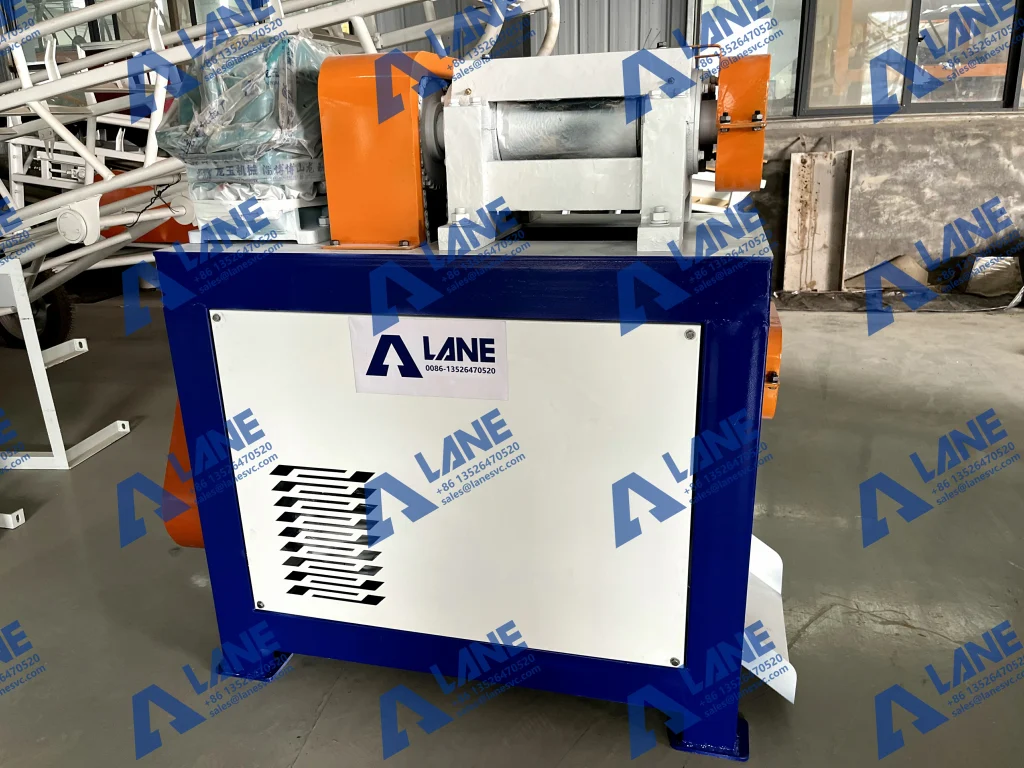
Double Roller Granulator for Dry Agricultural Waste Granulation
A double roller granulator uses mechanical pressure to form fertilizer particles without relying on a traditional drying process.
This type of equipment is suitable for projects that require lower energy consumption or dry granulation technology.
Compared with wet granulation methods, the double roller granulator offers several benefits:
• Lower moisture requirements
• Reduced drying energy consumption
• Compact production process
However, the characteristics of agricultural waste must be carefully evaluated before choosing this method. Materials with high fiber content or unsuitable moisture levels may require additional preparation before entering the machine.
Therefore, selecting the right Agricultural Waste Granulator Machine depends on factors such as raw material properties, production scale, and investment requirements.
Post-Processing After Agricultural Waste Granulation
Granulation is not always the final step in fertilizer production. Newly formed fertilizer granules may still require additional processing to improve product quality.
After leaving the granulator, fertilizer particles usually go through:
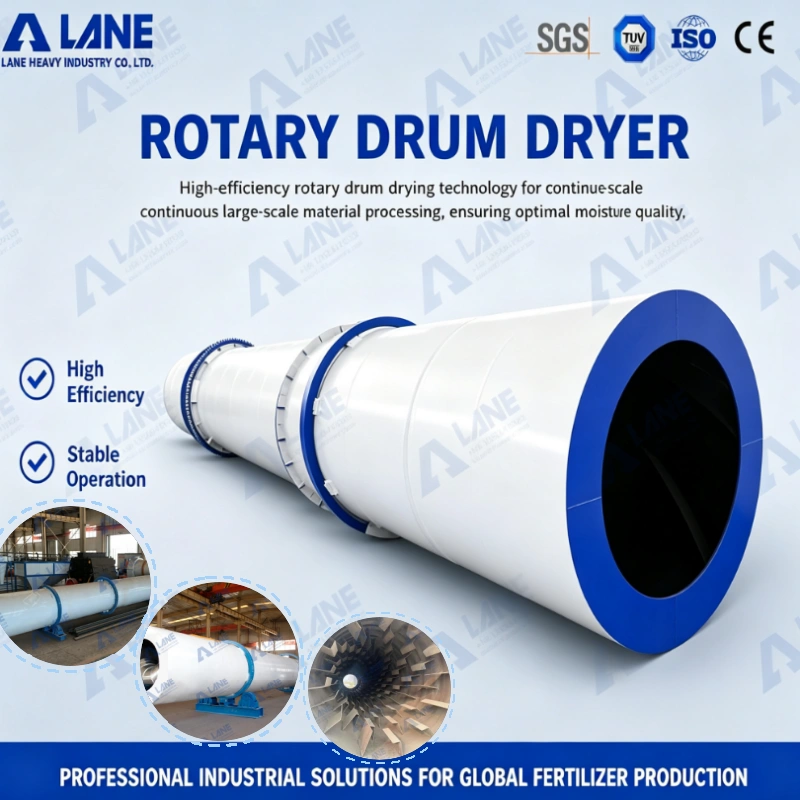
Drying
Fresh fertilizer granules may contain excessive moisture. A rotary dryer can reduce moisture content and improve storage stability.
Cooling
After drying, fertilizer particles need cooling before packaging. A rotary cooler helps reduce temperature and prevents granules from sticking together.
Screening
Not all particles will have the same size after granulation. A screening machine separates:
• Qualified fertilizer granules
• Oversized particles
• Fine particles
Unqualified materials can be returned to the production process for reprocessing.
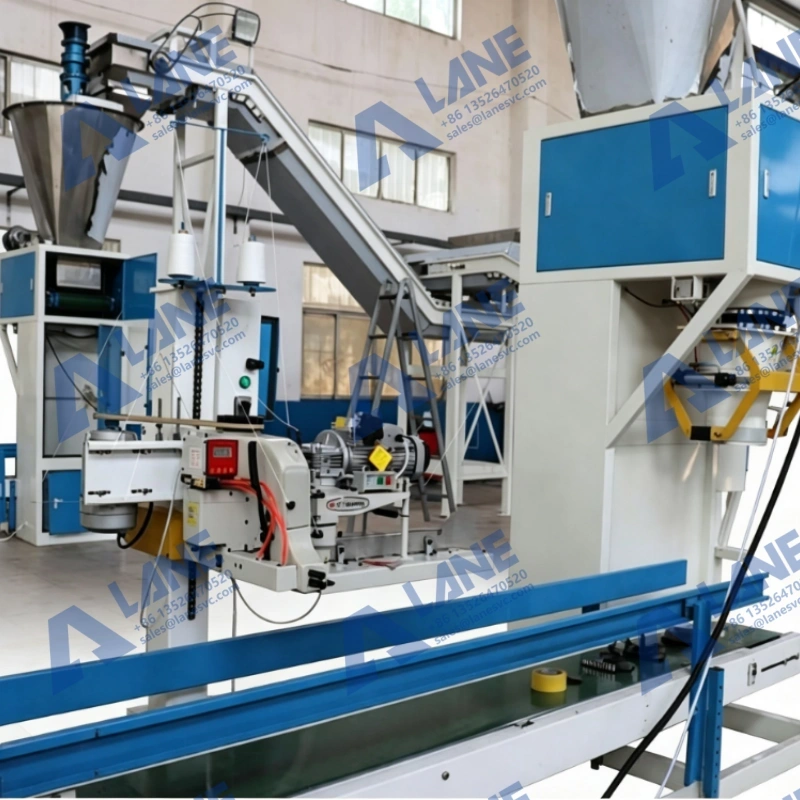
The final fertilizer granules, produced by the agricultural waste granulator machine, are measured and packed using an automatic packing system, making them ready for transportation and commercial sales.
Through this complete process, an Agricultural Waste Granulator Machine becomes part of a larger fertilizer production solution rather than an isolated piece of equipment.
How to Choose the Right Agricultural Waste Granulator Machine?
Selecting suitable granulation equipment is one of the most important decisions when building an agricultural waste fertilizer production project. Different raw materials, production capacities, and final fertilizer requirements will influence the choice of an Agricultural Waste Granulator Machine.
A suitable granulator should not only produce qualified fertilizer granules but also match the entire production process. Therefore, fertilizer manufacturers need to evaluate several key factors before purchasing equipment.
Consider Raw Material Characteristics and Moisture Content
The type and condition of agricultural waste directly affect the granulation process.
Different materials have different physical properties:
• Crop straw usually contains high fiber content and requires sufficient crushing before granulation.
• Animal manure contains higher moisture and usually needs fermentation and moisture adjustment.
• Plant residues may require additional mixing with other materials to improve nutrient balance.
For this reason, there is no universal granulator suitable for every agricultural waste application.
Before selecting an Agricultural Waste Granulator Machine, manufacturers should analyze:
• Raw material composition
• Particle size after crushing
• Moisture content
• Organic matter content
• Required fertilizer characteristics
For example, wet organic materials are often suitable for wet granulation processes, while properly prepared dry materials may be suitable for roller compaction granulation.
Choosing equipment according to material conditions can improve granulation efficiency and reduce production problems.
Select Equipment Based on Production Capacity Requirements
Production scale is another important factor when choosing a granulation system.
Small agricultural operations may focus on:
• Lower investment costs
• Simple operation
• Flexible production capacity
In these cases, equipment such as a disc granulator may be suitable.
However, commercial fertilizer manufacturers usually require:
• Continuous operation
• Higher output
• Stable product quality
For larger projects, a rotary drum granulator or complete organic fertilizer production line may provide better performance.
A complete production capacity evaluation should include not only the granulator but also supporting equipment such as:
• Crushing machine
• Mixing machine
• Drying equipment
• Cooling equipment
• Screening system
• Packaging system
The efficiency of the entire production line determines the final output, not only the performance of the individual granulation machine.
Choose a Complete Agricultural Waste Fertilizer Production Solution
Many fertilizer producers initially focus only on purchasing an agricultural waste granulator machine. However, agricultural waste processing requires cooperation between multiple machines.
A complete solution usually includes:
Raw Material Processing
→ Compost Turner
→ Crusher
→ Mixer
Granulation Section
→ Agricultural Waste Granulator Machine
Post-Processing
→ Rotary Dryer
→ Rotary Cooler
→ Screening Machine
→ Automatic Packing Machine
This integrated approach ensures that every stage works together smoothly.
For example, unsuitable crushing may cause unstable feeding, while incorrect moisture control may reduce granulation efficiency. A complete engineering solution helps avoid these problems and improves long-term production reliability.
Why Choose LANE for Agricultural Waste Fertilizer Granulation Solutions?
As a fertilizer equipment manufacturer, LANE focuses on providing complete solutions for converting organic waste materials into valuable fertilizer products.
Agricultural waste processing projects often vary depending on:
• Local raw materials
• Available production space
• Target fertilizer products
• Required production capacity
Therefore, customized equipment selection is essential.
LANE can provide different granulation solutions, including:
• Disc Granulator systems for flexible fertilizer production
• Rotary Drum Granulator systems for large-scale projects
• Double Roller Granulator solutions for dry granulation applications
Beyond the granulation equipment itself, LANE also provides complete fertilizer production line solutions covering:
• Raw material treatment
• Composting
• Crushing
• Mixing
• Granulation
• Drying
• Cooling
• Screening
• Packaging
This complete approach helps customers transform agricultural residues into stable fertilizer products with higher commercial value.
Frequently Asked Questions About Agricultural Waste Granulator Machine
What Types of Agricultural Waste Can Be Processed by a Granulator Machine?
An Agricultural Waste Granulator Machine can process various types of organic agricultural residues after proper preparation.
Common materials include:
• Crop straw
• Rice husk
• Corn stalks
• Plant residues
• Animal manure
• Agricultural compost materials
However, different materials require different pretreatment methods before granulation. For example, fibrous crop residues usually need crushing, while high-moisture organic materials may require fermentation and moisture adjustment.
By combining suitable pretreatment equipment with the granulator, agricultural waste can be efficiently converted into fertilizer granules.
What Is the Difference Between Wet and Dry Agricultural Waste Granulation?
The main difference between wet and dry granulation is the material condition and granulation method.
Wet granulation usually uses materials with certain moisture content. During the process, organic materials are shaped into granules through rolling, stirring, and bonding effects.
Common equipment includes:
• Disc Granulator
• Rotary Drum Granulator
Dry granulation mainly relies on mechanical pressure to form particles without adding additional moisture.
A typical example is:
• Double Roller Granulator
The choice between wet and dry granulation depends on raw material characteristics, energy requirements, and final fertilizer specifications.
Can Agricultural Waste Granulator Machine Be Used for Complete Fertilizer Production Lines?
Yes. In commercial fertilizer production, an Agricultural Waste Granulator Machine is usually integrated into a complete processing system.
A complete production line may include:
• Raw material collection and preparation
• Composting or fermentation
• Crushing
• Mixing
• Granulation
• Drying
• Cooling
• Screening
• Packaging
This integrated solution, which includes an agricultural waste granulator machine, allows manufacturers to produce consistent fertilizer granules instead of processing agricultural waste as a single raw material.
For large-scale projects, selecting a complete production solution is often more effective than purchasing individual machines separately.
How Can Agricultural Waste Granulation Improve Fertilizer Production Efficiency?
Granulation improves fertilizer production efficiency in several ways.
First, it creates standardized fertilizer particles that are easier to handle and package.
Second, it improves transportation efficiency because compact granules require less storage space compared with loose agricultural residues.
Third, it allows fertilizer producers to develop commercial products with stable quality and market value.
With a suitable Agricultural Waste Granulator Machine, agricultural residues can be transformed from low-value waste into profitable fertilizer products.
Build a Sustainable Agricultural Waste Fertilizer Production System With LANE
Agricultural waste recycling requires more than one machine. A successful fertilizer project depends on the cooperation between material preparation, granulation, and post-processing equipment.
LANE provides customized fertilizer equipment solutions based on different project requirements, helping customers select suitable machines according to:
• Raw material characteristics
• Production capacity
• Fertilizer type
• Investment budget
• Factory conditions
From small fertilizer workshops to large-scale industrial plants, LANE can provide complete solutions for agricultural waste processing and organic fertilizer production, including the agricultural waste granulator machine suited to different production scales.
By combining advanced granulation technology with complete production line design, agricultural waste can be efficiently converted into high-quality fertilizer granules while improving resource utilization.