Sewage Sludge to Fertilizer Processing: From Raw Sludge Variability to Market-Ready Biosolids Pellets
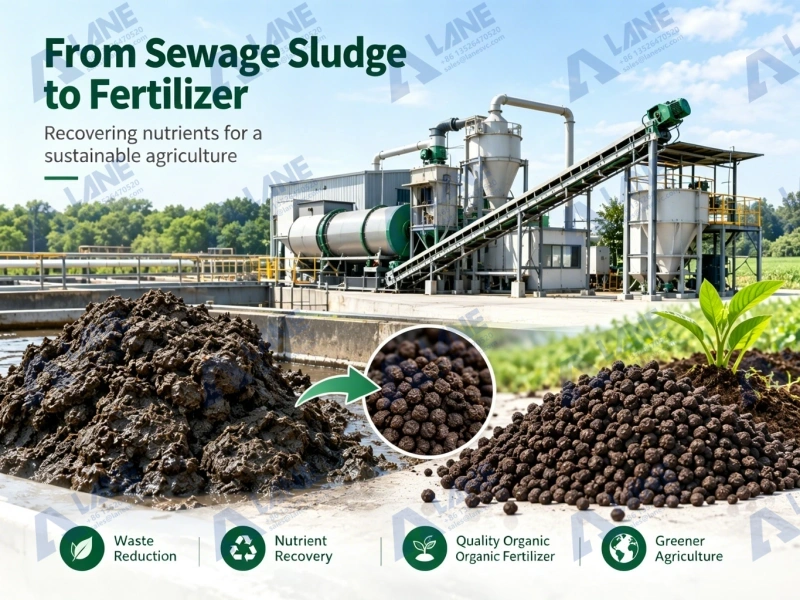
For modern wastewater treatment plants (WWTPs), the primary challenge in municipal waste management is not the volume of sludge produced, but rather the extreme volatility of the primary sludge stream. The ever-changing feedstock complicates traditional treatment methods, drives up landfill disposal costs, and exposes utilities to fluctuating environmental penalties.
Advanced “sewage sludge-to-fertilizer” processes directly address this challenge.
By applying automated thermomechanical treatment technology, treatment facilities convert highly volatile, low-value primary and secondary sludge into uniform, nutrient-rich biosolid pellets with strong market potential. This targeted approach to resource recovery completely decouples utility operating costs from rising disposal fees.
However, successful “Sewage Sludge to Fertilizer Processing” conversion does not begin with the pelletizer alone—it begins with the raw material itself.
Can Sewage Sludge Be Turned into Fertilizer?
Yes, but not all types of sludge should automatically be used as raw material for fertilizer.
In a “sludge-to-fertilizer” project, the primary consideration is not which equipment to purchase, but whether the sludge itself is suitable for the intended agricultural use.
Primary sludge may contain beneficial organic matter and nutrients such as nitrogen and phosphorus. Depending on its source and treatment history, it may have value as a fertilizer or soil conditioner. However, municipal sludge, industrial sludge, and sludge generated by other wastewater treatment processes may vary significantly in composition.
Before planning a “sludge-to-fertilizer” project, we recommend examining the following:
• Moisture content and the actual amount of moisture that can be removed
• Organic matter content
• Nitrogen, phosphorus, and potassium content
• Heavy metals and other potentially harmful contaminants
• Pathogens and sanitary requirements
• Presence of plastics, gravel, stones, or other foreign matter
• Local regulations governing fertilizers or soil amendment products
Such testing provides equipment suppliers with a more useful starting point than simply stating, “We have sludge and need fertilizer.”
For example, if the sludge already contains an adequate amount of organic matter but has a low nutrient ratio, the final product may still require the addition of extra fertilizer components. If the material contains unacceptable contaminants, replacing the treatment equipment will not solve the problem.
Therefore, suitable raw materials are the first prerequisite for converting sludge into fertilizer, and equipment selection is determined only after this decision has been made.
Why Is Sewage Sludge Difficult to Process?
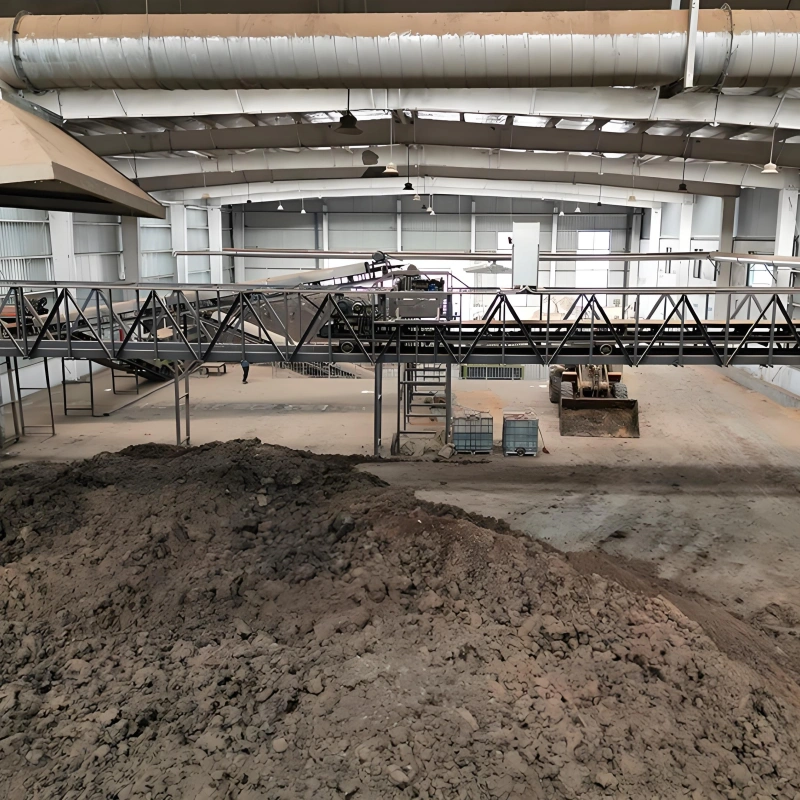
The biggest difficulty in Sewage Sludge to Fertilizer Processing usually comes from the physical condition of the sludge rather than from the fertilizer formula itself.
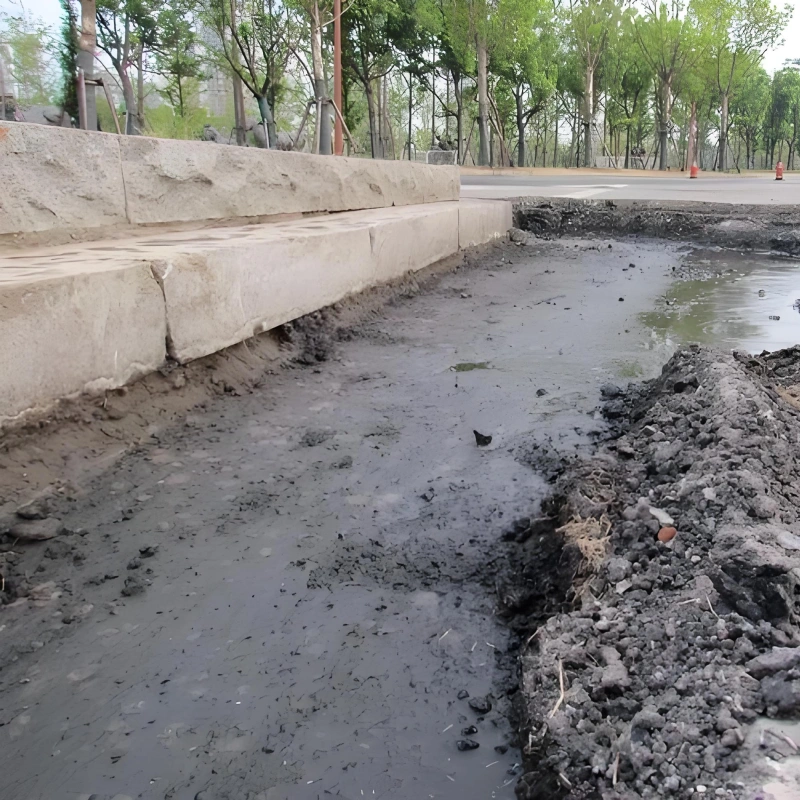
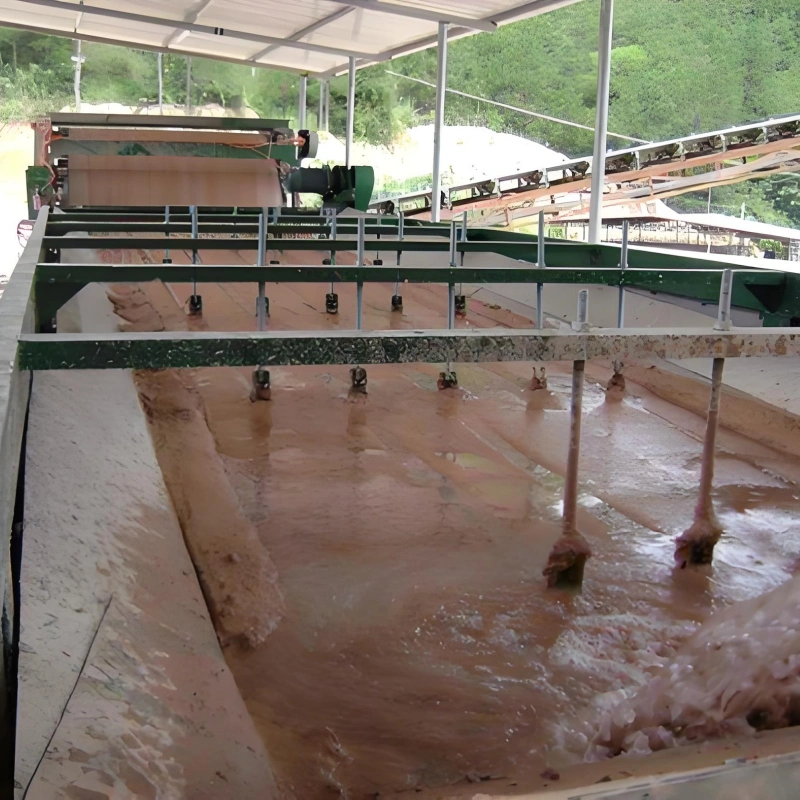
Fresh or insufficiently dewatered sludge can behave more like a paste than a conventional fertilizer raw material. It can stick to equipment surfaces, form large lumps, and resist stable feeding.
Several characteristics deserve attention:
• High moisture: Excess water increases the load on the drying section and can make granulation unstable.
• Stickiness: Wet sludge may adhere to mixers, conveyors, granulators, and other contact surfaces.
• Variable composition: Sludge from different treatment plants, or even different batches from the same plant, may have different moisture and nutrient characteristics.
• Poor particle structure: Sludge does not naturally have the free-flowing particle condition of finished fertilizer.
• Feeding difficulties: If the material bridges or forms lumps in the hopper, the downstream equipment cannot receive a stable feed.
• Drying sensitivity: The wetter the material entering the fertilizer process, the greater the drying duty that may be required.
This is where practical Sewage Sludge to Fertilizer Processing experience becomes useful. A customer may initially ask for a larger granulator because the current material is difficult to form into granules. But if the actual problem is excessive moisture or poor conditioning, simply increasing granulator size does not address the cause.
We normally check the material condition before making that recommendation.
Engineering Focus: Granulation Kinetics and Attrition Resistance
At the core of professional Sewage Sludge to Fertilizer Processing is the mechanical manipulation of binding kinetics. Utilizing heavy-duty industrial pellet mills or custom-engineered disc pelletizers, the thermally conditioned matrix—stabilized at an exact 12% to 15% moisture window—is subjected to precise compaction vectors.
The resulting biosolids pellets feature an exceptional spherical or cylindrical morphology with high crush strength. This superior durability minimizes structural fracturing and product dusting during long-distance bulk logistics, ensuring seamless compatibility with the pneumatic blending and mechanical spreading machinery standard in modern commercial agriculture.
In other words, the goal of Sewage Sludge to Fertilizer Processing is not simply to form granules. It is to produce biosolids pellets that survive the entire logistics chain—from the plant gate to the farm field.
Process Flow: How the Stages Work Together
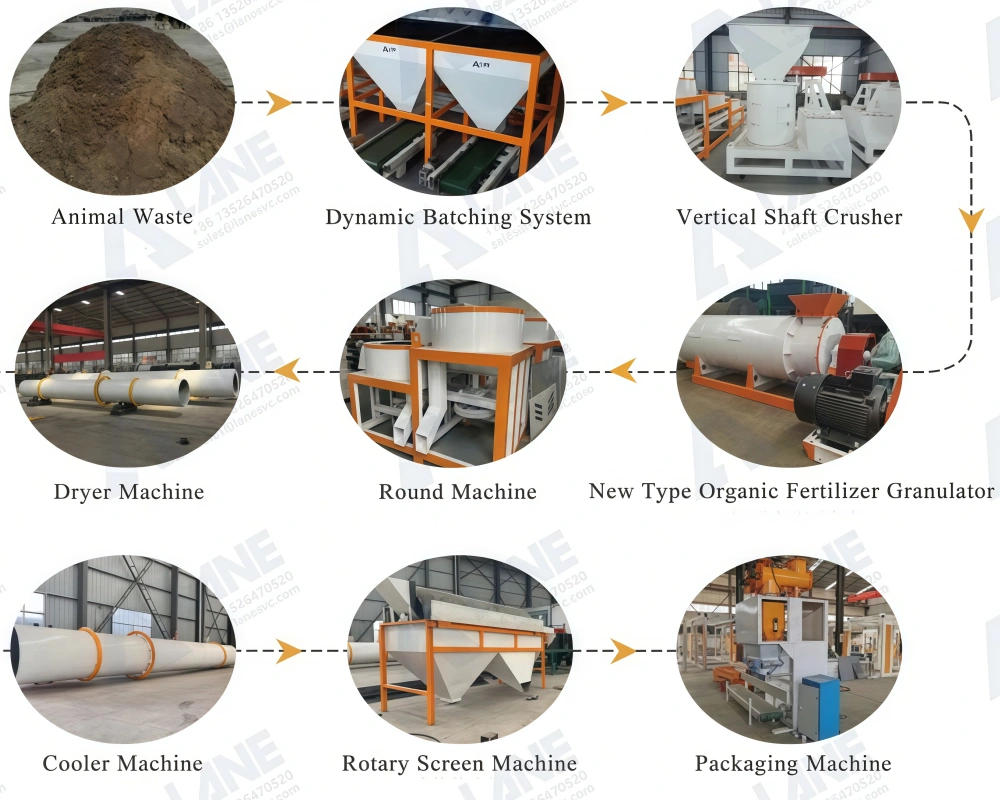
A typical Sewage Sludge to Fertilizer Processing arrangement can be organized around the following flow:
Dewatering / Moisture Adjustment → Conditioning → Size Reduction → Granulation → Drying → Cooling → Screening & Recycling → Finished Biosolids Pellets
| Processing Stage | Typical Equipment | Main Design Purpose |
|---|---|---|
| Moisture adjustment | Dewatering equipment / conditioning system | Bring sludge into a workable physical condition |
| Conditioning | Horizontal Mixer | Mix sludge with dry materials or fertilizer ingredients |
| Size reduction | Vertical Crusher | Break compacted lumps and oversize material |
| Granulation | Disc Granulator | Form conditioned material into biosolids pellets |
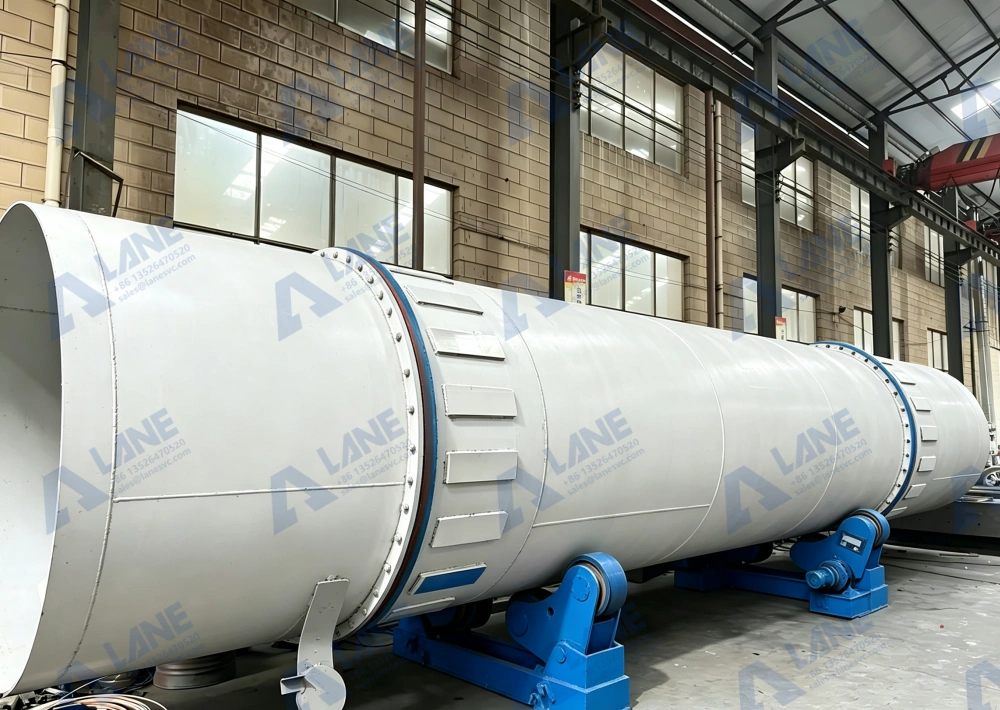
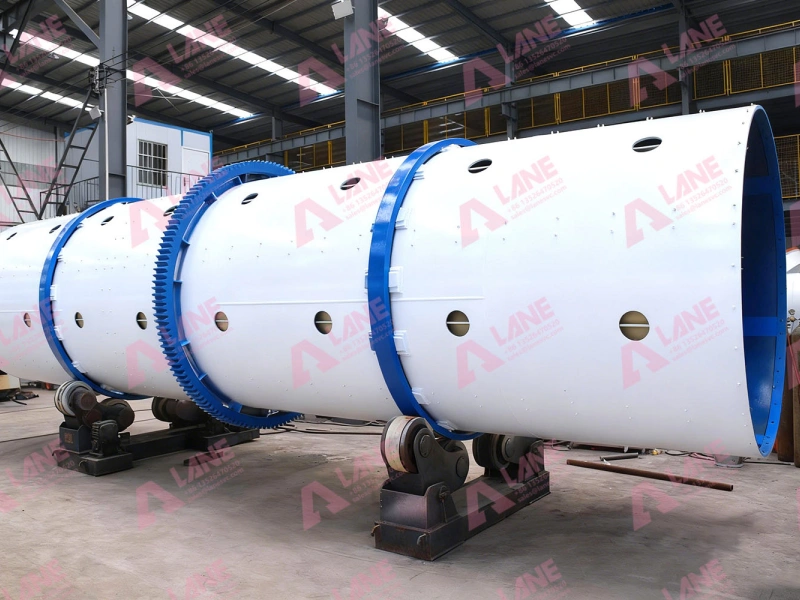
| Drying | Rotary Drum Dryer | Reduce excess moisture after granulation |
| Cooling | Rotary Drum Cooler | Cool and stabilize hot biosolids pellets |
| Screening | Rotary Screening Machine | Separate qualified and oversized/undersized pellets |
| Recycling | Return conveyor | Send suitable recycled material back into the process |
The exact arrangement depends on the sludge condition and the target product, but the relationship between each stage is important. No single piece of equipment can compensate for an upstream material condition that has not been properly prepared.
Moisture adjustment, for example, should not aim to remove as much water as technically possible. The target is a workable material condition. If the sludge is extremely wet, the material may be difficult to feed and difficult to granulate. If it is excessively dry and lacks suitable binding characteristics, forming stable biosolids pellets can also become difficult.
Likewise, conditioning is not simply “mixing everything together.” The purpose is to give the granulator a consistent feed—uniform in moisture, composition, and particle behavior. If one part of the feed is very wet and another part is very dry, the granulator receives an inconsistent material. That usually shows up later as unstable particle size or excessive fines in the finished biosolids pellets.
Size reduction, drying, cooling, and screening should each solve a real, identified problem—not be added simply because they appear on a standard equipment list. This is the practical logic behind every Sewage Sludge to Fertilizer Processing configuration we review.
Compliance Framework: Pathogen Eradication and Bio-Security
Navigating strict regional fertilizer directives—such as the US EPA Class A biosolids frameworks and European circular bioeconomy mandates—requires unconditional biological safety. Advanced Sewage Sludge to Fertilizer Processing equipment guarantees full pasteurization through controlled thermal retention profiles.
This deep thermal treatment achieves total viral and pathogen eradication while permanently neutralizing volatile organic odorous compounds. The final recycled biosolids pellets deliver a pristine, stabilized product certified for open agricultural distribution and soil organic matter enrichment without risking downstream environmental contamination.
Compliance is not optional in Sewage Sludge to Fertilizer Processing. It is the foundation of market access.
Redundancy and Wear Resistance: Engineering for Real-World Sludge
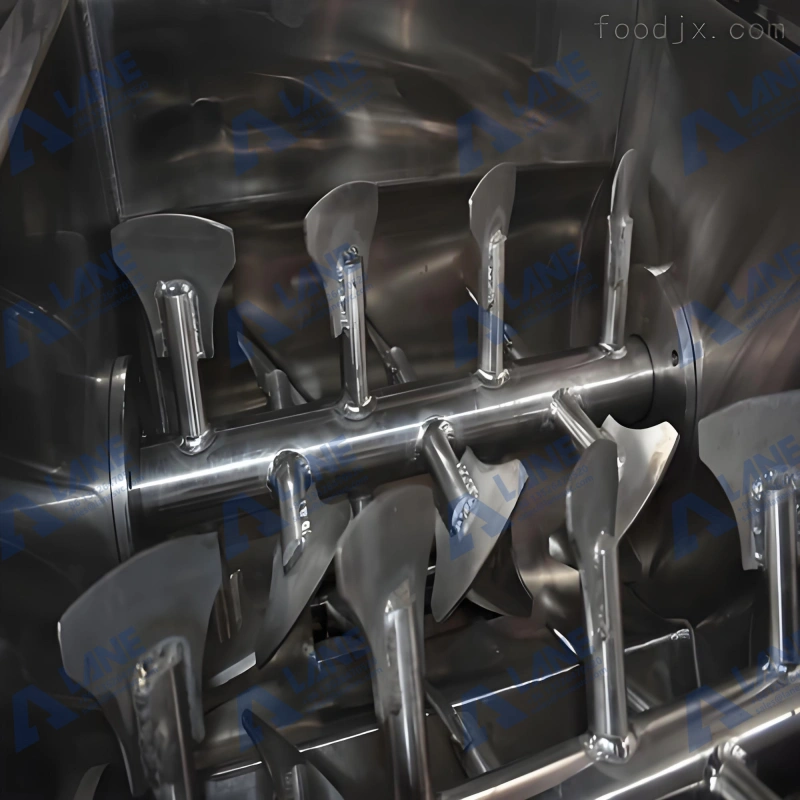
Because raw sludge is highly corrosive and abrasive, every contact surface in a professional Sewage Sludge to Fertilizer Processing line must be engineered for wear resistance. Critical components—such as mixer paddles, crusher hammers, granulator discs, and dryer flights—should be fabricated from abrasion-resistant alloys or lined with replaceable wear plates.
In addition, a well-designed system incorporates operational redundancy: parallel dewatering units, bypass conveyors, and standby granulation lines ensure that a single equipment failure does not halt the entire processing train.
This is especially important when feedstock variability is high and production uptime directly affects the plant’s disposal cost avoidance. In Sewage Sludge to Fertilizer Processing, reliability is not a luxury—it is a production requirement.
How Does Moisture Affect Sewage Sludge to Fertilizer Processing?
Throughout the process of converting sewage sludge into fertilizer, we consistently monitor moisture content closely. Even the slightest change in the material’s moisture content can drastically alter the raw material’s performance characteristics.
If the moisture content is too high, it can trigger a series of problems:
• The material tends to stick to any surface it comes into contact with;
• Feed addition becomes uneven;
• Bi solid particles become too soft;
• Greater drying capacity is required;
• Significant clumping occurs;
• Screening becomes more difficult, even after drying.
However, drying the sludge as much as possible is not always the solution.
If the raw material is too dry, it loses the physical properties necessary for the particles to bind together. Depending on the mixing ratio and the binder used, this may result in more fine powder, weaker particles, or particles that cannot be formed into stable shapes.
Therefore, we always evaluate moisture content in conjunction with the complete material formulation.
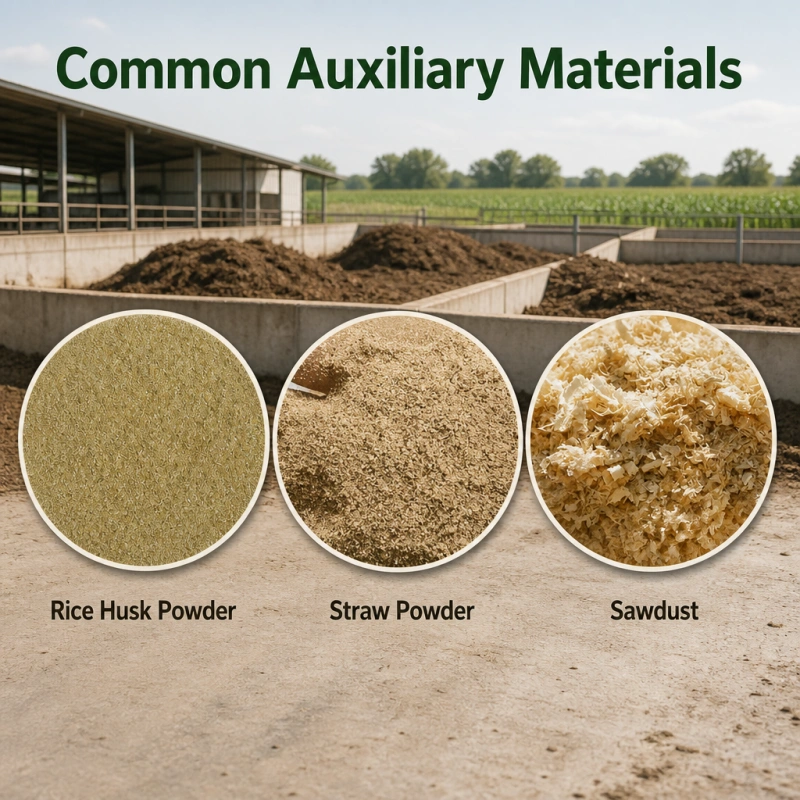
For example, sludge with a higher moisture content can be blended with suitable dry ingredients. These dry additives not only increase the dry matter content but also improve the mixture’s flowability, bulk density, and overall particle condition.
Recycled dry powder particles can achieve the same effect, provided the recycling ratio is properly controlled.
Moisture fluctuations present another challenge. A system designed for laboratory-scale test samples will perform very differently when the actual sludge moisture content jumps from 50% to 60% or higher.
When processing sewage sludge into fertilizer, maintaining a stable feed is often more important than achieving a single, ideal moisture content. You must determine the acceptable moisture range based on the actual sludge, formulation, pelletizer, and drying equipment.
Does Sewage Sludge Need Other Fertilizer Materials?
In many Sewage Sludge to Fertilizer Processing projects, additional materials are required because sewage sludge does not necessarily provide the nutrient balance required for the final fertilizer.
The starting point should be the laboratory analysis of the sludge and the target specification of the finished biosolids pellets.
A practical formulation process is:
• Test the nutrient content of the sludge.
• Define the target NPK or organic fertilizer specification.
• Calculate how much nitrogen, phosphorus, and potassium the sludge already contributes.
• Determine which nutrients or conditioning materials need to be added.
• Check how the additional materials change moisture and granulation behavior.
• Confirm that the final mixture remains suitable for the selected processing equipment.
The added materials may include nitrogen, phosphorus, potassium sources, dry organic materials, or other approved ingredients, depending on the product being manufactured.
There is also a physical reason for adding dry material. If the sludge is very wet and sticky, an appropriate dry ingredient can help bring the mixture into a more manageable condition.
That means formulation and physical conditioning are often connected in Sewage Sludge to Fertilizer Processing. A formula that looks correct on paper may still need adjustment after it is tested through the actual granulation process.
How Should You Choose a Granulator for Sewage Sludge?
There is no single granulator that fits every Sewage Sludge to Fertilizer Processing project. The selection should be based on the material and production target rather than the machine name alone.
When we evaluate a Sewage Sludge to Fertilizer Processing inquiry, we normally compare:
• Raw material moisture and stickiness
• Target fertilizer formula
• Required pellet size
• Production capacity
• Expected pellet strength
• Drying requirement
• Screening and recycling conditions
The equipment should fit these requirements together. Choosing a granulator first and trying to make the material fit afterward usually creates unnecessary problems.
In practice, this means the granulator type—whether disc, rotary drum, or flat die—is confirmed only after the material condition, formula, and downstream drying and screening capacity have been checked together.
How Can You Control the Quality of Biosolids Pellets?
The quality of biosolids pellets produced by Sewage Sludge to Fertilizer Processing should not be judged only by whether the granules look round.
Several indicators need to be checked:
• Particle size: The finished product should meet the intended size range.
• Moisture: Excessive moisture can affect storage, flowability, and product stability.
• Pellet strength: Weak particles can generate excessive fines during conveying, packaging, and transportation.
• Flowability: A fertilizer product that sticks or bridges during handling can create packaging and storage problems.
• Nutrient composition: The actual NPK or organic content should match the intended product specification.
• Contaminant levels: This is particularly important when sewage sludge is used as agricultural raw material.
• Storage stability: The biosolids pellets should remain physically stable after cooling and packaging.
For this reason, quality control in Sewage Sludge to Fertilizer Processing should connect laboratory testing with production conditions.
If the nutrient analysis is correct but the biosolids pellets break during transportation, the problem is not necessarily the formula. It may be related to moisture, granulation conditions, drying, cooling, or recycling.
Likewise, attractive biosolids pellets do not automatically mean the product meets agricultural requirements.
How Much Does It Cost to Start Sewage Sludge to Fertilizer Processing?
The investment required for Sewage Sludge to Fertilizer Processing depends heavily on capacity, raw material moisture, fertilizer formula, automation level, and existing infrastructure.
We normally divide the project investment into several parts rather than quoting one machine price.
Raw-material preparation can include sludge dewatering, storage, feeding, and conditioning equipment. If the wastewater treatment plant already provides suitable dewatered sludge, the required investment may be lower.
Main fertilizer processing equipment includes mixing, crushing where necessary, granulation, drying, cooling, and screening.
Material handling—conveyors, elevators, hoppers, return conveyors, and feeding systems—is easy to overlook during early budgeting. These components can become a significant part of the complete installation.
Building and utilities may require a workshop, electrical system, ventilation, dust control, water, drainage, and other supporting infrastructure.
Packaging and finished-product handling: if the biosolids pellets will be sold commercially, bagging, weighing, palletizing, and finished-product storage may also need to be considered.
For a greenfield project, the total investment can be much higher than the equipment quotation alone because civil construction and utilities are included.
If an existing wastewater treatment facility already has dewatering, storage, electrical supply, and suitable buildings, the additional investment for Sewage Sludge to Fertilizer Processing can be structured differently.
At LANE, when discussing project cost with a customer, we would normally ask for the required capacity, sludge moisture, available site conditions, target fertilizer, and degree of automation before preparing an equipment configuration. Without those details, a single “standard project price” is not very meaningful.
What Is the Market Potential of Sewage Sludge to Fertilizer Processing?
The commercial value of Sewage Sludge to Fertilizer Processing comes from combining waste treatment with resource recovery.
Instead of treating sludge only as a material that needs disposal, a properly controlled process can turn suitable sludge into standardized biosolids pellets or soil amendment products.
Potential applications can include:
• Agricultural soil improvement
• Horticultural applications
• Landscaping and turf management
• Organic soil amendment products
• Fertilizer products containing recovered nutrients
The actual market depends on local regulations and what types of sludge-derived products are legally permitted.
This point is particularly important for overseas projects. A technically workable fertilizer process does not automatically mean the final biosolids pellets can be sold for every agricultural application.
The customer should confirm the local requirements for sludge-derived fertilizers, contaminant limits, labeling, testing, and permitted uses before investing in a commercial Sewage Sludge to Fertilizer Processing plant.
From a business perspective, the project can make sense when three conditions come together:
• The sludge is legally and technically suitable for reuse.
• The processing cost is acceptable compared with disposal or alternative treatment.
• There is a reliable market for the finished biosolids pellets or soil amendment.
When these conditions are met, Sewage Sludge to Fertilizer Processing can become more than a waste-management expense. It can provide a route for recovering organic matter and nutrients while producing a marketable material.
Frequently Asked Questions About Sewage Sludge to Fertilizer Processing
Can all sewage sludge be used to make fertilizer?
No. The source, contaminant level, nutrient composition, treatment history, and local regulations must be checked first. Industrial sludge and municipal sludge should not be treated as interchangeable raw materials.
Does sewage sludge need to be dried before granulation?
Not necessarily completely dried. In Sewage Sludge to Fertilizer Processing, the important point is to bring the material into a workable moisture range for the selected formulation and granulator. Excessively wet material can create feeding and granulation problems, while excessive drying can also affect agglomeration.
Does sewage sludge need additional fertilizer materials?
Often, yes. The answer depends on the nutrient analysis of the sludge and the specification of the final biosolids pellets. Nitrogen, phosphorus, potassium, dry organic materials, or other compatible ingredients may be added depending on the target product.
Which granulator is suitable for sludge-based fertilizer?
Disc Granulators, Rotary Drum Granulators, and Flat Die Granulators can all be considered for different Sewage Sludge to Fertilizer Processing conditions. The correct choice depends on moisture, stickiness, formula, production capacity, target particle size, pellet strength, and downstream drying and screening requirements.
Can LANE design equipment for sewage sludge fertilizer processing?
Yes. LANE can evaluate the sludge condition, target fertilizer specification, production capacity, and site requirements before proposing an equipment configuration. For customers who are still at the planning stage, laboratory analysis and representative raw-material testing are useful before finalizing the Sewage Sludge to Fertilizer Processing equipment.
Conclusion: From Disposal Liability to Revenue Stream
Successful sludge fertilizer processing begins with the raw materials, not the granulator. It is essential to test the sludge’s moisture content, nutrient content, contaminants, and physical properties. Only on this basis can the formulation, conditioning methods, granulation equipment, drying requirements, screening plan, and key quality control points be determined based on the actual material conditions. In actual projects, we typically focus on the following issues:
• Is the sludge suitable for fertilizer production? Does it comply with relevant laws and regulations?·
• What are its actual moisture content and material condition?
• What fertilizer specifications does the client wish to produce?
• What additives are required?
• What type of granulator meets the raw material characteristics and production capacity requirements?·
• What is the processing capacity required for drying, cooling, screening, and recovery?
• Is this investment commercially viable at the planned production scale?
Adopting an advanced sludge-to-fertilizer treatment system is a win-win for both industrial operators and the global environment. By investing in appropriate drying and granulation facilities, your plant can eliminate legal risks associated with waste disposal, meet strict regional environmental regulations, and tap into a new revenue stream from biosolids granules—a product that is in high demand in the agricultural sector.
The question is no longer whether sewage sludge can be converted into fertilizer, but whether your facility is ready to transform its largest waste stream into its most valuable product.